2026 SEGD Xlab Returns to New York: Two Days of Experimentation, Honest Conversation, and a Historic First Meeting Between Olympic Design Legends
July 22–23, 2026 | New York City
On joy, care, and making things that matter when everything is a lot.
That’s the question at the heart of 2026 SEGD Xlab.
This July, Xlab comes back home to New York City for two days of conversation, experimentation, and creative exchange focused on what it means to create meaningful work in a moment defined by rapid technological change, uncertainty, and constant demands on our attention.
AI can generate the image. It cannot generate the feeling you have when something truly moves you. That feeling still belongs to the people who make spaces, and the people who inhabit them. Xlab sits with that, asking what it means to keep making things that matter, on purpose, right now.
Bringing together designers, strategists, artists, technologists, and storytellers, Xlab has always been a space for exploring ideas before they become best practices. This year’s program invites participants to consider what remains uniquely human: our ability to foster connection, create meaning, and imagine possibilities that don’t yet exist.
Day One: New York as Laboratory
Xlab begins in Manhattan with a series of behind-the-scenes experiences that offer access to creative spaces rarely available to the public.
Participants will choose from a series of optional tours, including a visit to 113 Spring Street, Snøhetta’s experiential retail and wellness lab housed within a landmarked SoHo cast-iron building, sponsored by McCann Systems. The day concludes with an opening reception at Microsoft Garage, bringing attendees together to connect, exchange ideas, and begin the conversations that will continue throughout the event.
Day Two: The Symposium at BRIC
Hosted at BRIC in Downtown Brooklyn, the symposium unfolds as a deliberate journey. Rather than moving from presentation to presentation, the day is structured around a series of emotional and creative shifts, beginning with the realities designers are carrying into the room and ending with a renewed sense of possibility.
Together, the sessions explore what it means to practice joy and care while continuing to make work that matters.
The Weight
The second day unfolds through four movements, with interstitial moments built in throughout to pause, reflect, and stay in dialogue with the room and with each other. Together, they form a journey through the questions at the heart of this year’s theme: how do we continue making things that matter, with joy and care, when everything is a lot?
We begin where many of us are already standing. Carrying everything the moment is asking of us. We name it. We don’t look away from it. The day opens with an honest reckoning of what we’re bringing through the door and what it means to design amid uncertainty, complexity, and change.
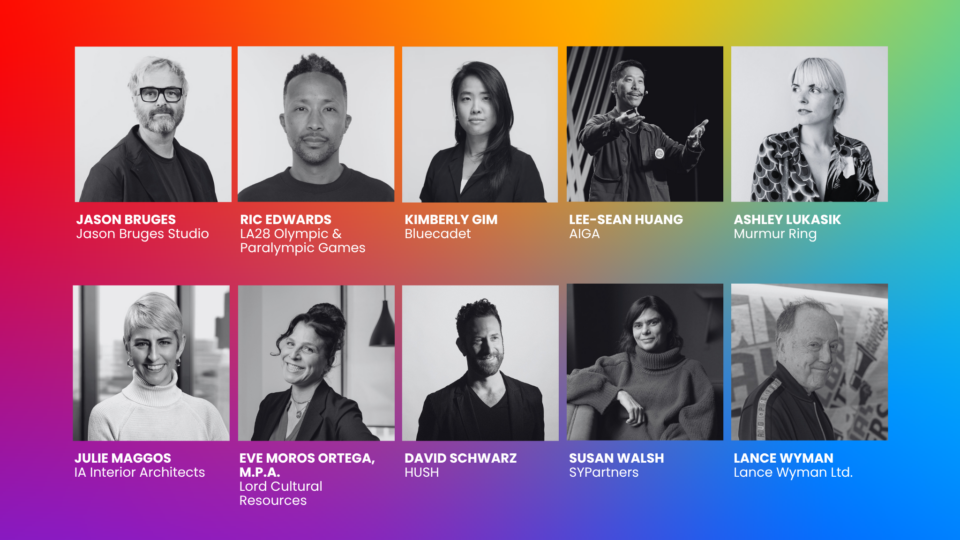
Susan Walsh, Senior Advisor on Design, SYPartners, and Ashley Lukasik, Founder & CEO, Murmur Ring, open with The End of Predictable Progress: Now & Next, and the Potential of What’s Next. How do we truly understand this moment in the world, and hold the precarity of now alongside the potential of what could be next? In an era defined by rapid technological disruption, economic uncertainty, and geopolitical change, Walsh and Lukasik argue that we have reached the end of predictable progress. Yet a transition to a better future is impossible if it is not first imaginable.
Together, they explore how design can foster belief, agency, and hope at a societal scale, inviting designers to reimagine both their role in the world and what they design toward. The session moves from conversation into action through the creation of a communal artifact, something the room builds together and returns to throughout the day.
Eve Moros Ortega, Senior Director, Lord Cultural Resources, follows with The Keeper of the Story: On Distillation, Care, and Holding Shared Reality Together.
When history and science themselves are being contested, who holds the story together? Moros Ortega reflects on the role museums and cultural institutions play in helping communities make meaning in uncertain times, and why storytelling and interpretation matter more than ever.
The Counter-Move
What does slowness ask of us? What does it look like to use technology in service of feeling rather than stimulation? We hear from designers whose work moves in the opposite direction from noise, and who invite us to consider what that requires of our attention, our practice, and ourselves.
Lee-Sean Huang, Co-Executive Director, Learning + Programs at AIGA, presents In a World of WTF, FTW FTW: On Following the Weird, Honing Instinct, and Where Curiosity Leads. What begins with an AI-generated email from a stranger unfolds into a reflection on curiosity, improvisation, and the unexpected paths that shape creative work. Drawing on his background in music and improv, Huang explores the value of noticing the strange, resisting the urge to explain it away, and following where curiosity leads. It’s a case for treating surprise not as a disruption, but as a catalyst for creativity.
Julie Maggos, Senior Director of Experiential Design at IA Interior Architects, presents Designer as Reframer: On Judgment, Authorship, and the Designer’s Move When AI Floods the Field. When production becomes easier, human value doesn’t disappear. It moves toward framing, intention, and cultural judgment. Drawing on personal experience and years of design practice, Maggos explores why discernment matters more than ever in an era of increasingly abundant AI-generated content. As technology reshapes how work is made, she invites designers to move upstream into the authorship, context, and judgment that separate work that impresses from work that resonates.
The Experiment
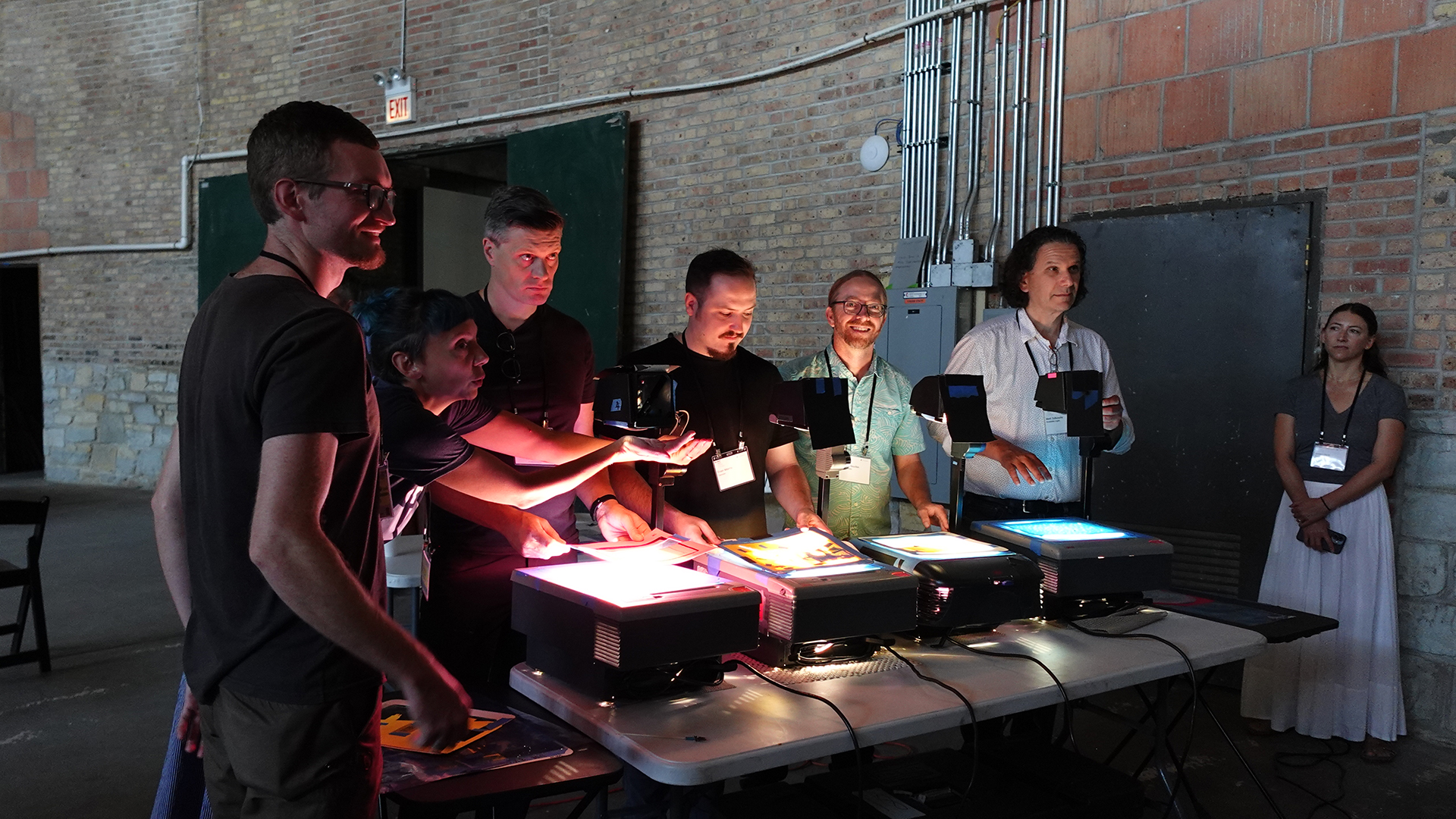
Xlab has always been a place to make something. This year’s workshop brief will be unexpected and deliberately constrained. The only requirement: whatever you make, make it for feeling. Not for the eye. Not for the deck. Not for the post.
The afternoon’s featured conversation brings together two designers whose practices have evolved along very different paths.
Kimberly Gim, Head of Design & Creative Director, Bluecadet, presents Lean into the Uncertainty: Empathetic Client Work in Experience Design. How do you get teenagers to put down their phones and actually engage, with the work and with each other, in person? Drawing on projects including the Met’s 81st Street Studio, Gim explores what it means to design with young audiences rather than simply for them. She digs into the messy realities of co-design, the friction between what a client knows and what an experiment needs to find out, and the case for treating what doesn’t work as information rather than failure.
The afternoon’s featured conversation brings together two designers whose practices have evolved along very different paths.
Jason Bruges, Founder & Creative Director, Jason Bruges Studio, and David Schwarz, Co-Founder & Creative Director, HUSH, have each spent more than two decades expanding what experiential design can be. Bruges through large-scale technological artworks that reimagine public space. Schwarz through brand experiences that shape how some of the world’s most recognizable companies show up physically.
In Art or Design, Nature or Tech, Permanence or Flash?, they come together for a candid, unscripted conversation exploring where their approaches diverge and align, what each unlocks creatively and commercially, and what years of experimentation can teach us about making work that lasts. Expect real-time show-and-tell, candid disagreement, and a live Q&A.
Joy as Practice
Not joy as escape. Joy as resistance. A closing that asks what it still means to love this work and to create experiences that bring people together. The day ends not with answers, but with a renewed sense of possibility and something worth carrying back into the world.
This year, that closing brings together two reflections on the creative celebration of the Olympic and Paralympic Games, sixty years apart, for the first time.
Lance Wyman, FSEGD, designer of the iconic 1968 Mexico City Olympic identity, and Ric Edwards, Vice President, Brand Design, Look of the Games and Executive Design Director, LA28 Olympic & Paralympic Games, share a stage for the first time in a conversation that spans Mexico City 1968 to Los Angeles 2028. Different eras. Different tensions. The same underlying question: what does it mean to design for the biggest stage in the world?
Together, they’ll reflect on how technology, space, and experience come together to create meaning at a global scale, and what it takes to make work that endures long after the moment has passed. They’ll talk about leaning into complexity, creating belonging and shared memory, and why joy is not simply a byproduct of good design, but an intention.
Why It’s Worth Being in the Room
Every session this year is built to talk to the ones around it.
Walsh and Lukasik’s invitation to design for hope and possibility echoes through Moros Ortega’s reflection on storytelling in contested times, through Huang’s case for following the unexpected rather than explaining it away, through Gim’s account of what experimentation really costs and offers, through Bruges and Schwarz’s exploration of creative tension, and lands finally in Wyman and Edwards’ reflection on design’s ability to create belonging, memory, and joy.
Across two days, Xlab moves from acknowledging the weight of the present moment to experimentation, connection, and possibility. Not as a prescribed path or a set of answers, but as an invitation to consider what creative practice can offer when the future feels uncertain.
The Venue
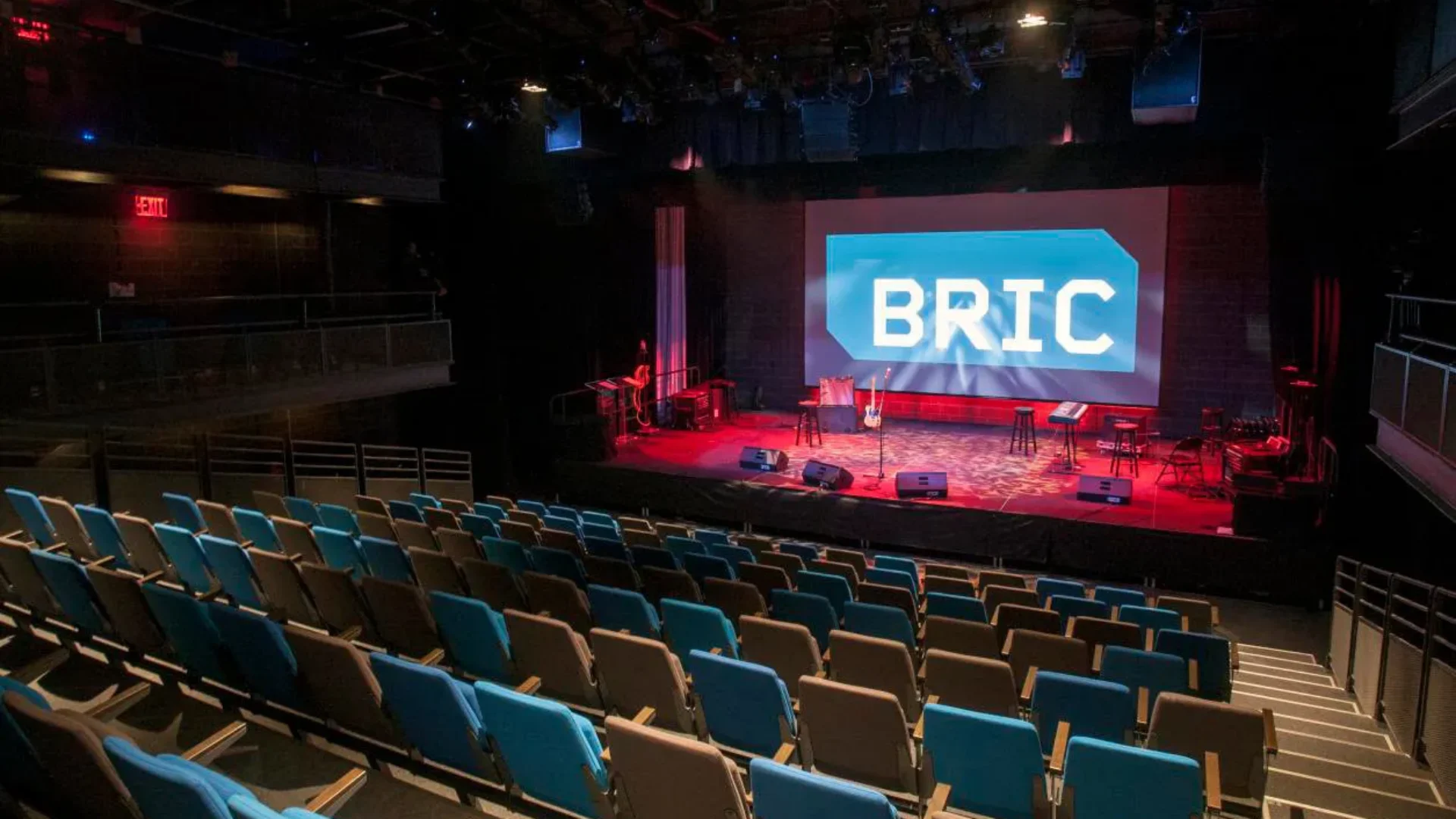
The symposium takes place at BRIC, a Brooklyn-based arts and media institution that has spent more than four decades championing creativity, community, and cultural innovation. Its commitment to diverse voices and new ideas makes it a fitting home for this year’s program.
The Invitation
To experiment. To make things that don’t fully work yet. To ask out loud the questions that usually only get asked in the car on the way home from a project.
On joy, care, and making things that matter when everything is a lot.
People also viewed
-
2026 SEGD Xlab New York Speakers + Events
2026 SEGD Xlab New York Speakers + Events
-
2026 SEGD Xlab New York
2026 SEGD Xlab New York