2026 SEGD Fellows: Despina Macris and Mark Ross
Despina Macris and Mark Ross, co-founders of Australian wayfinding consultancy Dotdash, have been named 2026 SEGD Fellows—honored for their lasting impact on human-centered wayfinding and experiential design. They received their recognition at the 2026 SEGD Conference Experience Kansas City on Saturday, October 24.
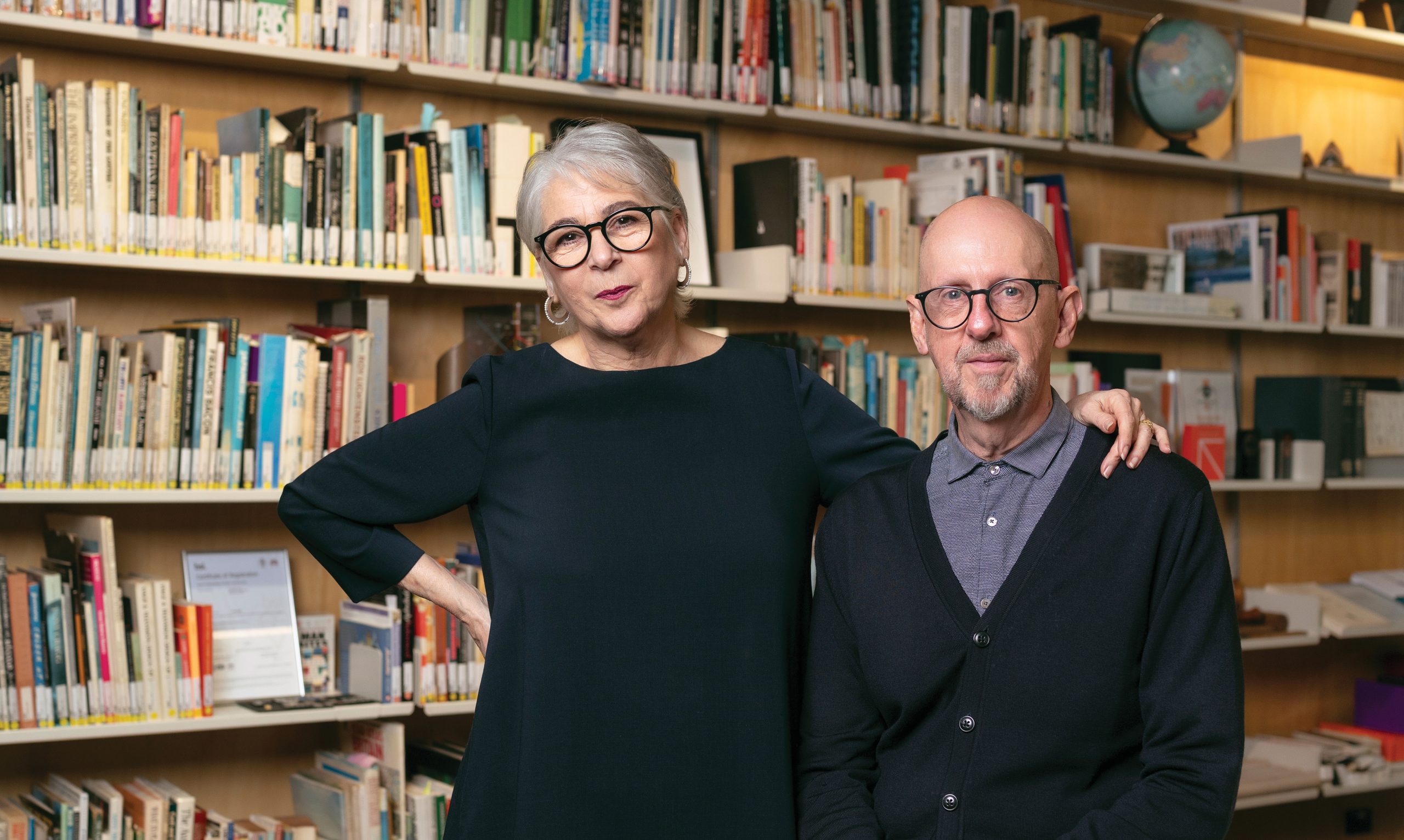
Some design partnerships begin with a shared philosophy. Others begin with a single project that refuses to let go.
For Despina Macris and Mark Ross, founders of Australia’s Dotdash, it began with curiosity. When they met in Brisbane in the 1980s, neither imagined a career devoted to wayfinding. Despina was an art director who had worked around the world before leaving advertising to pursue more meaningful creative work. Mark had studied architecture, immersed himself in theater and contemporary dance, and explored performance as a way of understanding space. Collectively, they had worked across graphic design, fashion, exhibitions, retail environments, set design, and performance long before experiential design had a name.
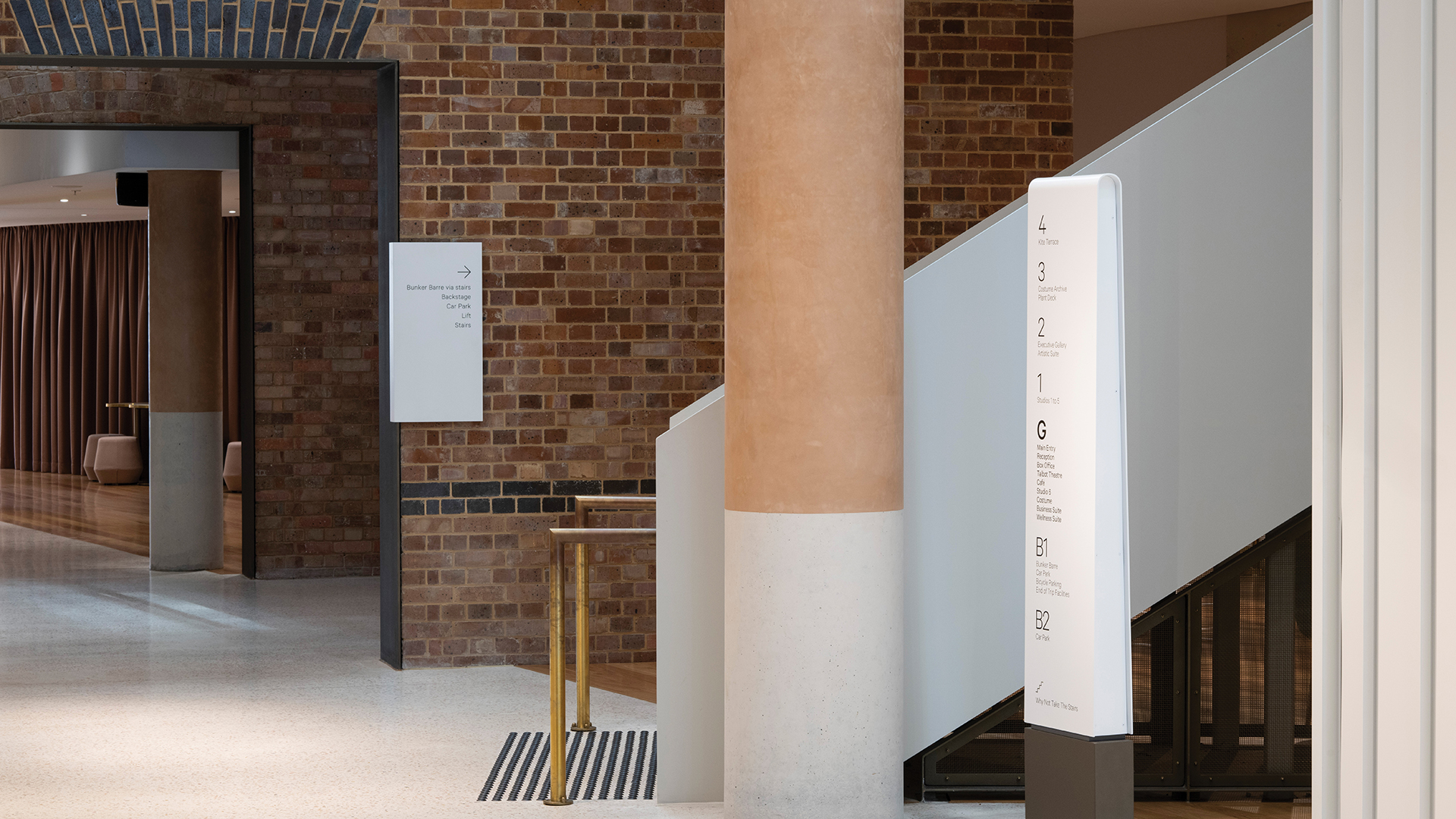
That interdisciplinary beginning still defines Dotdash today. Rather than seeing wayfinding as signage alone, they view it as the intersection of architecture, storytelling, human behavior, and visual communication. Every project asks the same essential question: How can people feel confident, comfortable, and connected to the environment around them?
Since establishing Dotdash in 1987, the studio has become one of the world’s most respected wayfinding consultancies, completing thousands of projects across multiple sectors. Their work spans Olympic Games, children’s hospitals, museums, zoos, World Heritage sites and world expos, as well as town and city centers, parklands, airports, and public transport systems. Quietly, it has shaped how millions of people move through the world.
Their work is grounded in rigorous systems thinking, but equally informed by empathy, accessibility, and an unwavering belief that clarity is an act of generosity.
Their partnership is equally complementary. Despina speaks about language, emotion, inclusion, and the psychology of visual communication. Mark naturally gravitates toward architecture, spatial relationships, and the choreography of movement through place.
Together, they have spent nearly four decades demonstrating that successful wayfinding is never simply about helping people find their destination. It is about helping people understand where they are, how they belong, and how design can quietly support every journey.
Project by project, that thinking has helped shift wayfinding from an afterthought into a discipline valued in its own right—one the studio now helps pass on directly, regularly connecting with Brisbane high schools to introduce students to a career most have never heard of.
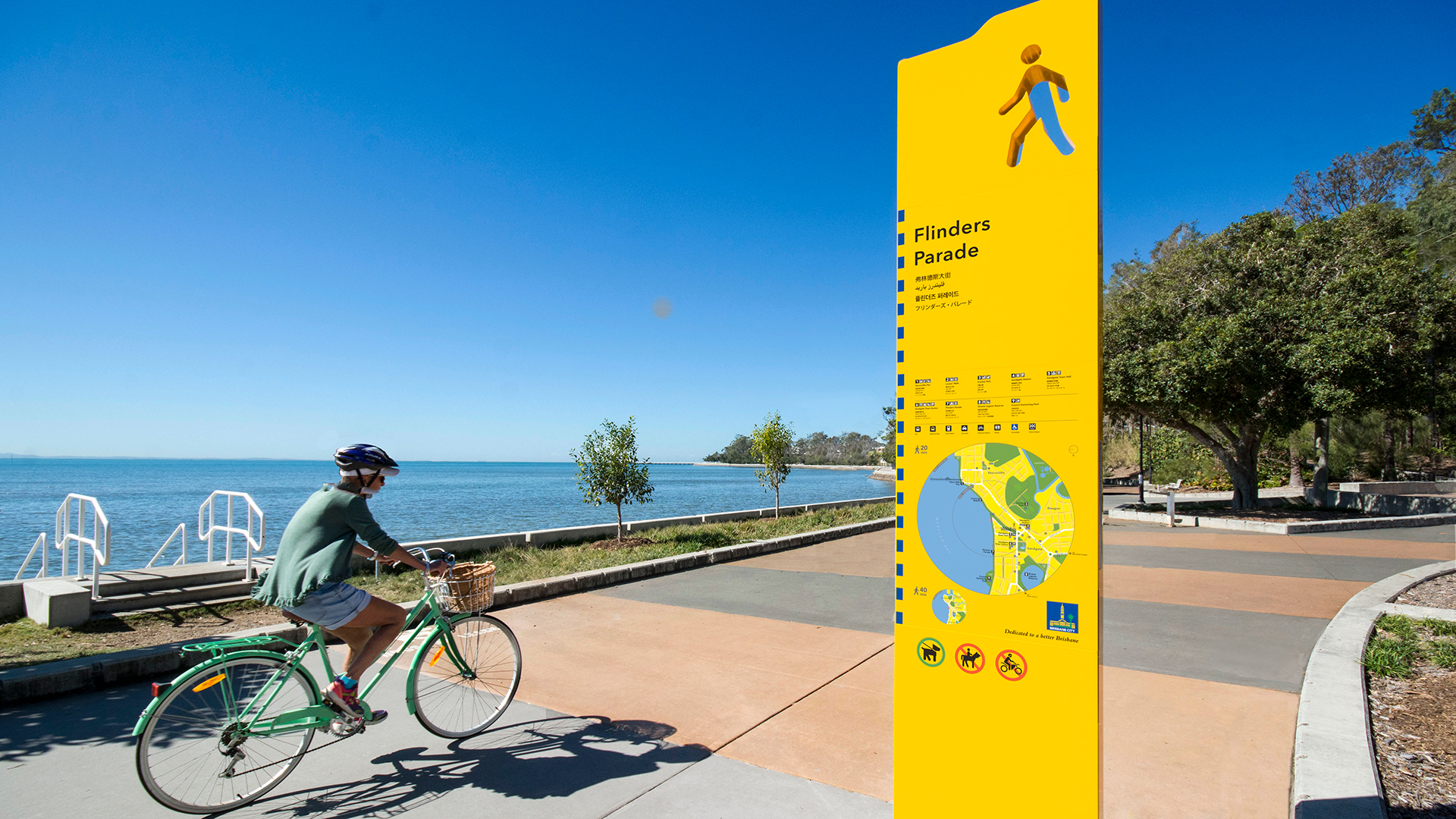
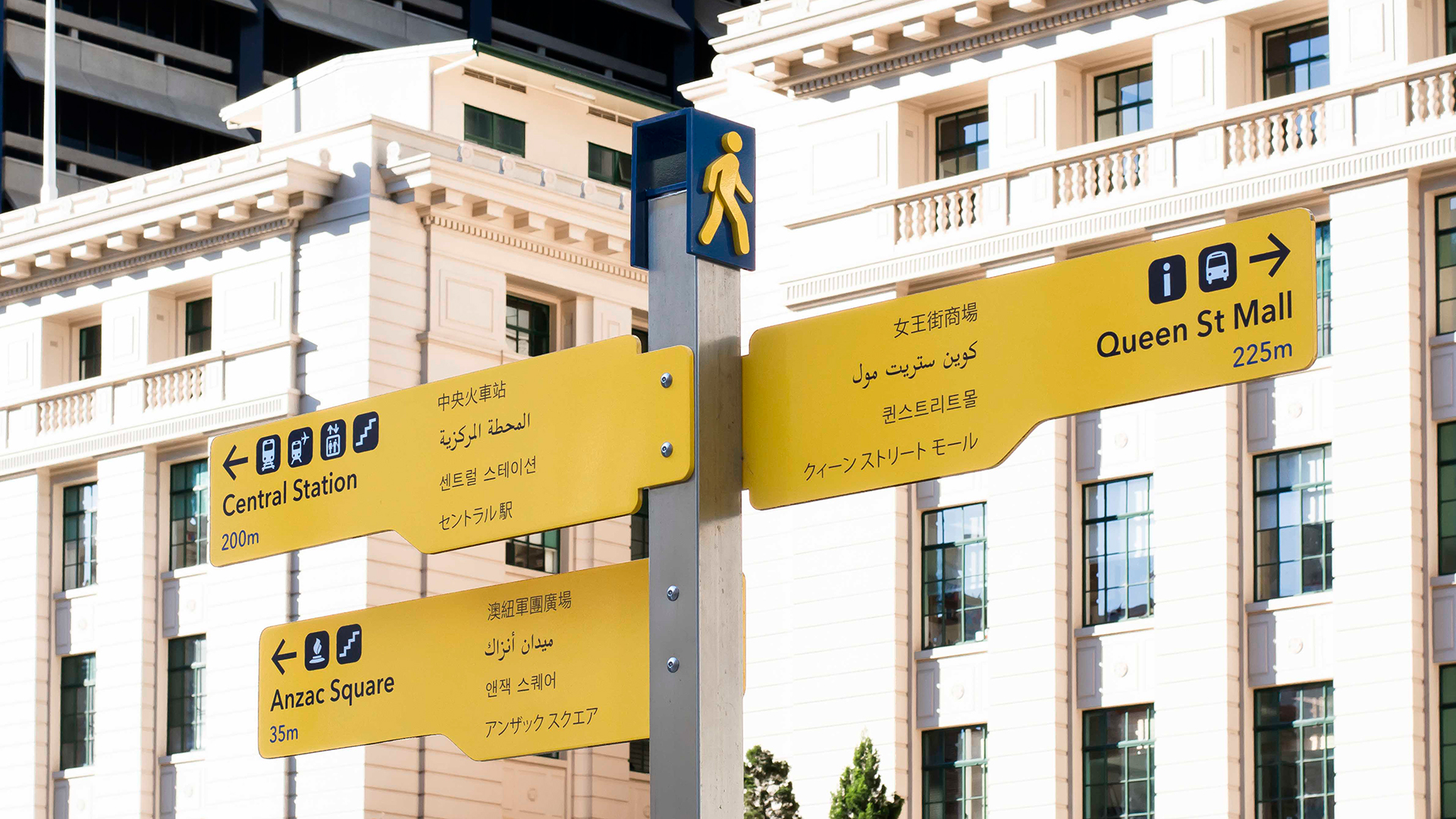
You both came into environmental graphic design through very different paths. How did those early experiences shape the practice you would eventually build together?
Despina Macris: Neither of us imagined we’d end up in wayfinding. My path began with an art scholarship, then commercial illustration and advertising with Leo Burnett in Brisbane, Vancouver, Toronto, Rome, and Athens. It was an incredible education, but eventually I realized I wanted design to contribute something more meaningful than selling products. I moved into theater and costume design because it brought together storytelling, making, and people. Back in Brisbane, there was a small creative community of architects, artists, fashion designers, and performers. That’s where Mark and I met.
Mark Ross: My background was architecture, but I was equally drawn to contemporary dance and experimental theater. We were designing costumes, sets, posters, and performances, all before Dotdash existed. Looking back, those disciplines became the foundation of our practice. Architecture taught me about space. Theater taught me sequence and movement. When World Expo ‘88 arrived, those worlds came together. We weren’t just designing graphics or buildings. We were designing experiences before there was a name for it.
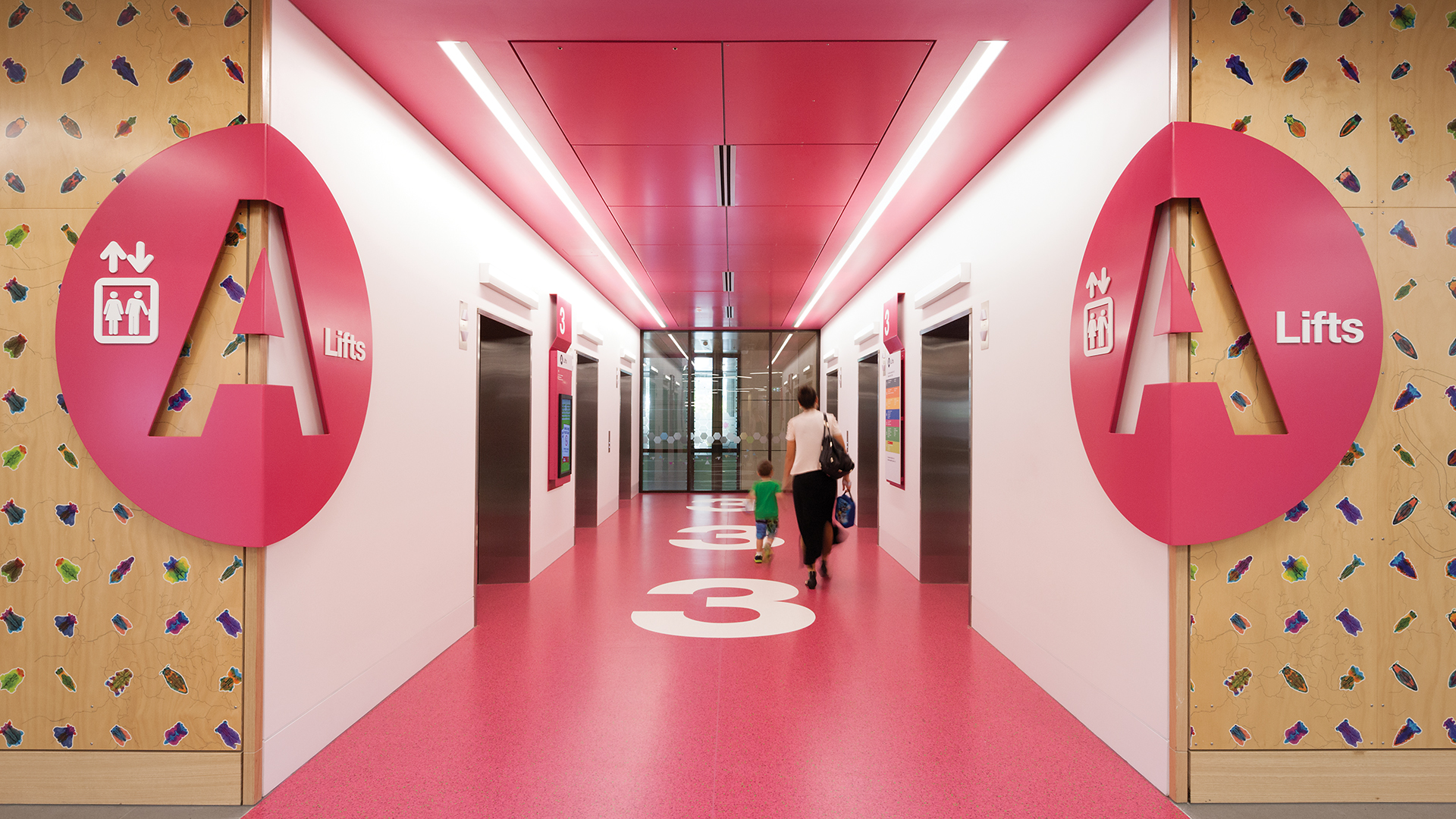
Dotdash has always worked across healthcare, transport, education, civic spaces, and culture. What connects every project?
Despina Macris: It always begins with people. I’m a synesthete. Tuesdays are green, Wednesdays are yellow, numbers and letters have colors too. It’s just how I sense the world around me, and that translates into my work. If information is confusing, people become anxious. If it’s clear, they feel confident. I’ve always believed clarity is an act of generosity. Growing up in a Greek family also shaped my thinking. Hospitality, celebration, craftsmanship, and making people feel welcome were simply part of everyday life. Design should do the same.
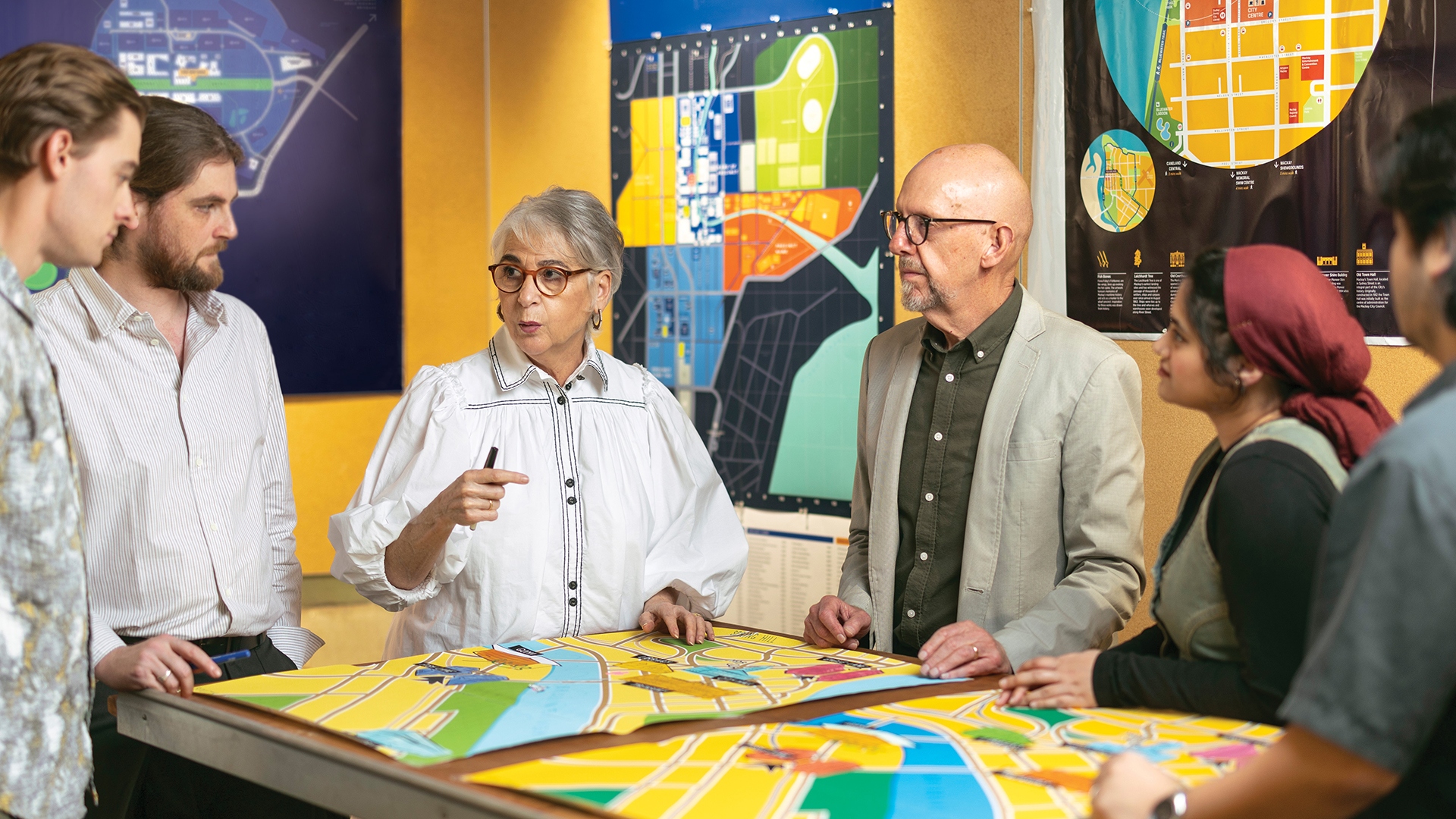
Mark Ross: The project changes, but the process doesn’t. We begin by understanding the place, its culture, landscape, architecture, and the people who use it. Wayfinding isn’t something you apply to a place. It grows from understanding the place itself. We’ve never thought of ourselves as sign designers. We’re designing the relationship between people and their environment.
Accessibility and inclusion have become defining characteristics of your work. What has that taught you about design?
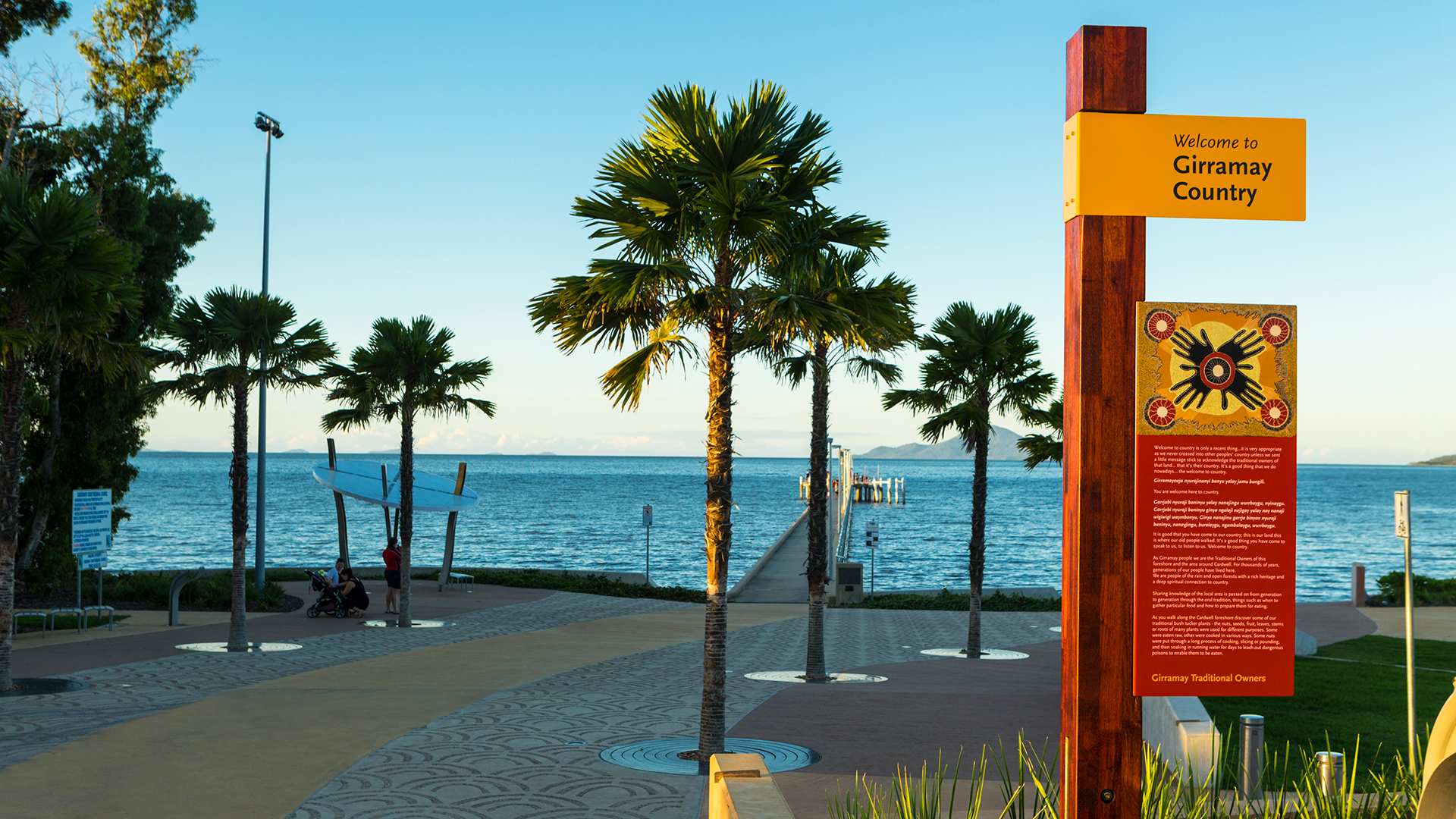
Despina Macris: Accessibility isn’t a checklist. It’s empathy. Not every disability is visible, and not everyone understands space in the same way. Good wayfinding reduces anxiety and allows people to navigate
independently with dignity. The same philosophy guides our work with Indigenous communities. We begin by listening, not designing. The stories belong to the community, not to us. Our responsibility is to help communicate them respectfully.
Mark Ross: Every project teaches humility. The more people you meet, the more you realize there is no typical user. Designing for difference isn’t a constraint. It’s simply good design.
Australia is now recognized as a leader in environmental graphic design. What feels distinctly Australian about your approach?
Mark Ross: Australia has always had to think differently. We’re geographically isolated, so we’ve learned from around the world but adapted those ideas to our own landscape, climate, and culture. That thinking is now being tested on perhaps the largest wayfinding challenge we’ve ever faced. I was invited to contribute my experience to the team developing the strategy for the 2027 Simhastha Kumbh Mela in Nashik and Trimbakshwar, India. Up to 120 million pilgrims are expected to gather over the 21-month duration, with single days exceeding 25 million people. At that scale, helping people understand where they are, where they need to go, and how to move safely through deeply sacred, layered urban environments—many for the first time and many without a common language—becomes an extraordinary wayfinding challenge. It’s not simply about moving people efficiently. It’s about helping people from different cultures and languages feel safe, oriented, and connected, while respecting a sacred landscape. Every visit reminds us that wayfinding begins with observation and humility.
Despina Macris: Projects like this reinforce that every culture already has its own intelligence. Our role isn’t to impose a design language. It’s about discovering what already exists and making it more accessible.
What does becoming an SEGD Fellow mean to you?
Despina Macris: SEGD has always felt like a community. The friendships and shared commitment to improving people’s lives have meant as much as the professional recognition.
Mark Ross: The Fellowship isn’t about looking backward. It’s about becoming part of a lineage. We learned from people who shaped this profession before us. Now we hope the next generation takes it somewhere none of us can yet imagine.
People also viewed
-
2026 SEGD Fellow: Donna Lawrence
2026 SEGD Fellow: Donna Lawrence
-
2026 SEGD Fellow: Jonathan Jackson

2026 SEGD Fellow: Jonathan Jackson
-
Meet the 2026 SEGD Fellows

Meet the 2026 SEGD Fellows