Wonder, by Design: Why Curiosity Matters at Any Age
What can experiential designers teach us about play, curiosity, and discovery? These SEGD Global Design Award-winning projects offer a timely reminder that wonder is one of design’s most powerful tools.
I recently returned from the Eames Institute for Infinite Curiosity, where Llisa Demetrios spoke about her grandparents, Ray and Charles Eames, and their lifelong belief in play, curiosity, and the value of paying attention.
Standing in front of their extraordinary collection of toys, gathered from cultures around the world, something became clear. These were not souvenirs or nostalgic keepsakes. They were tools for understanding. The Eameses didn’t separate the serious from the playful. For them, play was a way of observing, testing, discovering, and seeing familiar things from a new perspective.
That idea feels especially relevant at a time when so much of life is optimized for efficiency. Play asks something different of us. It invites us to slow down, engage our senses, explore without a predetermined outcome, and remain open to surprise.
It’s also a quality I keep noticing in some of the most memorable projects recognized through the SEGD Global Design Awards. Whether through climbing, building, storytelling, or shared discovery, these experiences invite people to participate rather than simply observe. They remind us that wonder is not something we outgrow. It is not reserved for children. It remains one of the most powerful ways people of any age learn, connect, imagine, and make meaning.
As summer begins, here are three award-winning projects worth thinking about, and perhaps even planning a visit to. Along the way, they offer a simple reminder: sometimes the best experiences start when we’re willing to follow a sense of wonder and see where it leads.
Carousel for Companionship
Design: Could Be Design
Client: Landmark Columbus Foundation; Columbus, Indiana
Award: SEGD Global Design Award, Honor (2025) – Public Installation
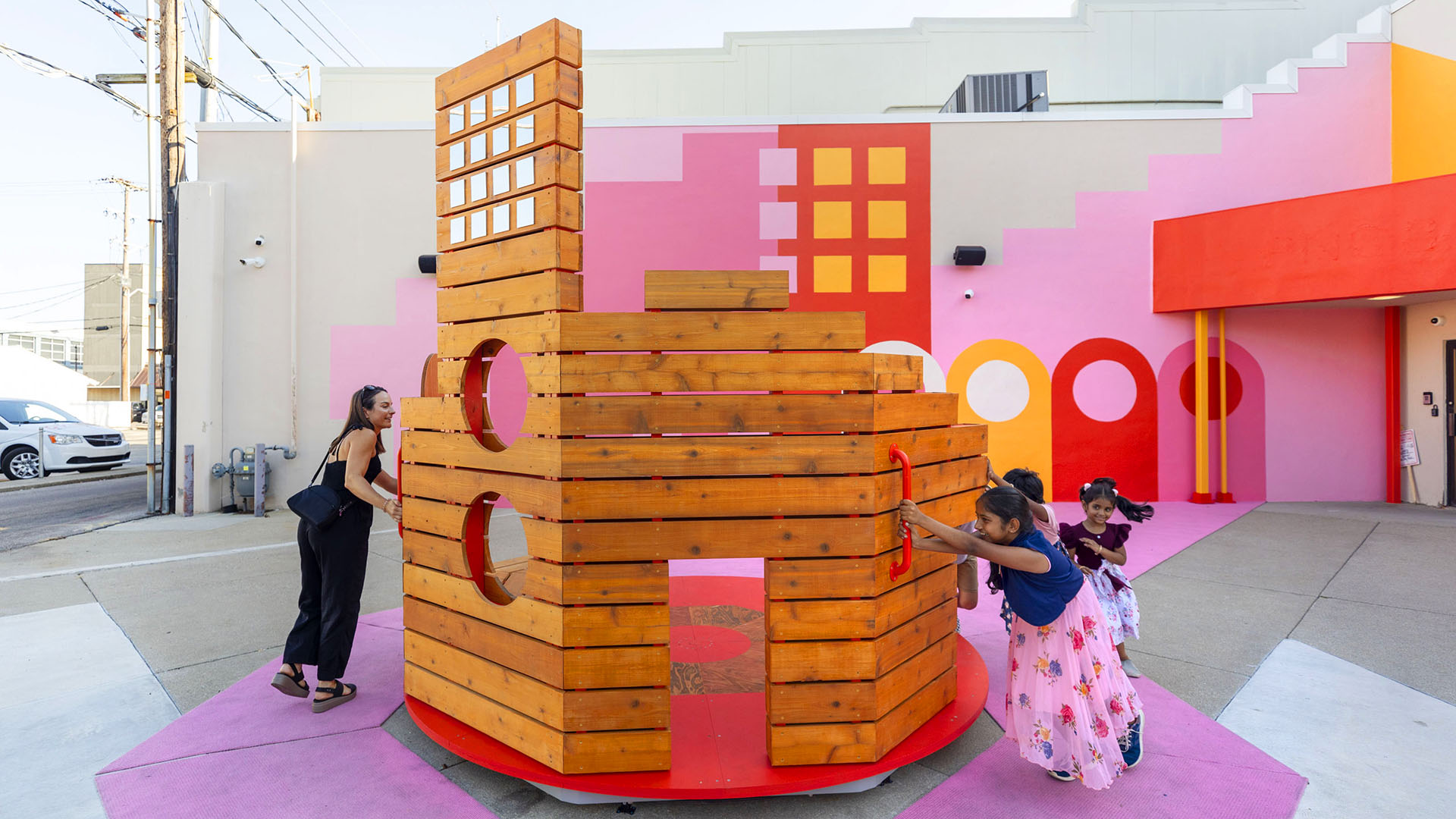
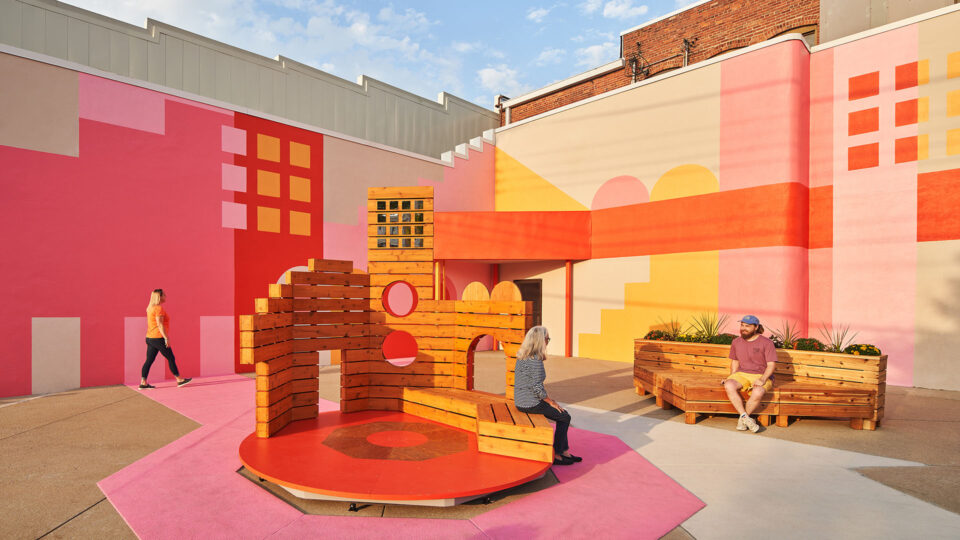
Not every act of play is loud. Some of the most meaningful are slow, cooperative, a little effortful. The Carousel for Companionship in downtown Columbus, Indiana is deliberately hard to spin alone. That is the point.
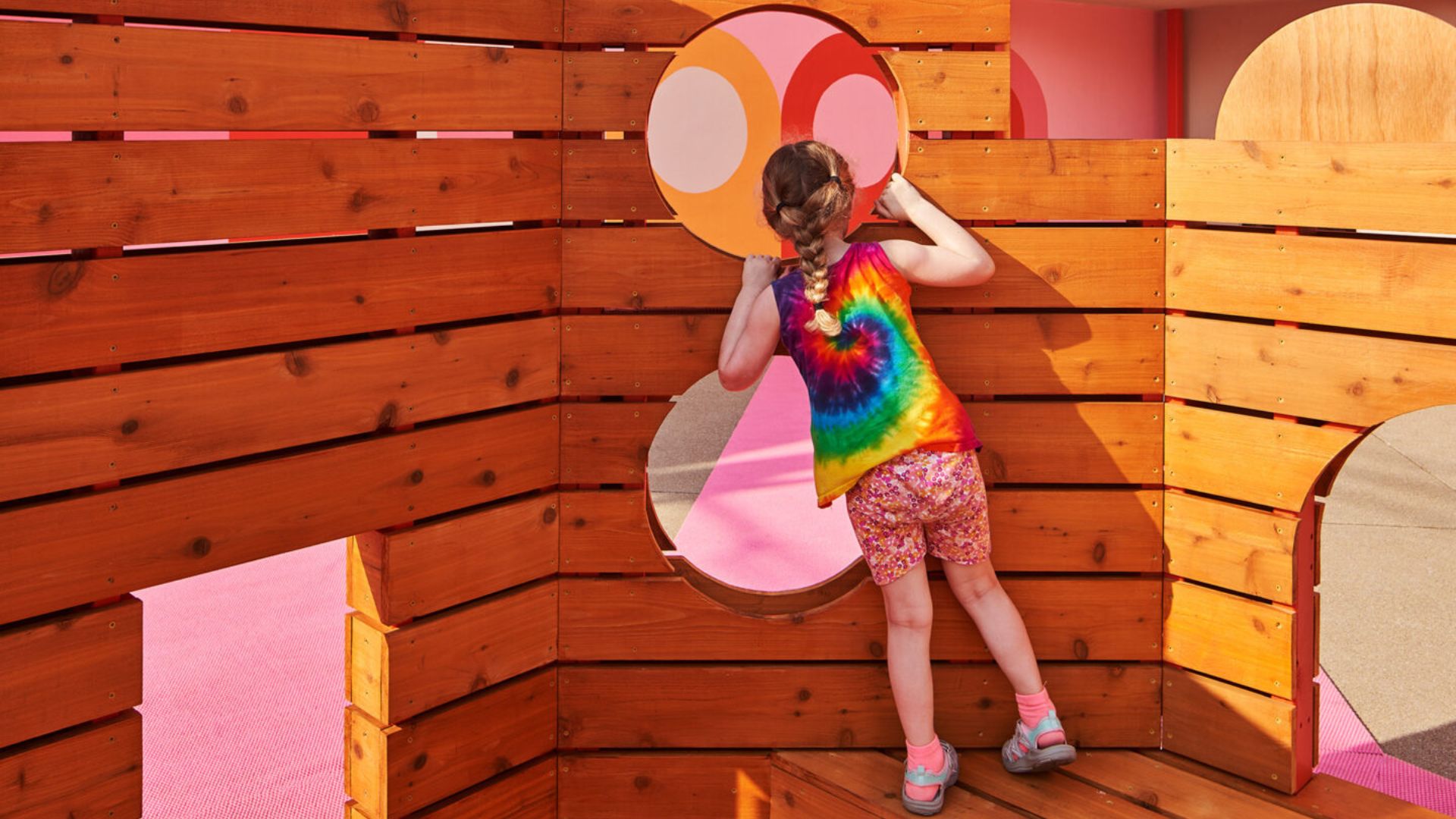
Could Be Design’s rotating platform, manually powered and permanently installed on a formerly underutilized lot, reimagines the American porch as a civic instrument rather than a private one. Its apertures frame views inward and outward. Supergraphic murals extend its energy into the surrounding streetscape. When the street closes on market days, it becomes a stage. On a quiet afternoon, it becomes a reason to talk to a stranger.
The project was built partly through community labor, a group of 20-plus volunteers the designers called the “Rock ‘n’ Rollers,” and that origin story is embedded in the object itself. Like a barn-raising, the process was the design. The carousel carries the memory of its own making.
In a cultural moment that often treats public space as a backdrop, Carousel for Companionship insists that it can be a protagonist: a simple rotating platform, designed with care and wit, can reorganize the social life of a block.
Building Stories
Design: Plus And Greater Than
Client: National Building Museum; Washington, D.C.
Award: SEGD Global Design Award, Merit (2025) – Exhibition
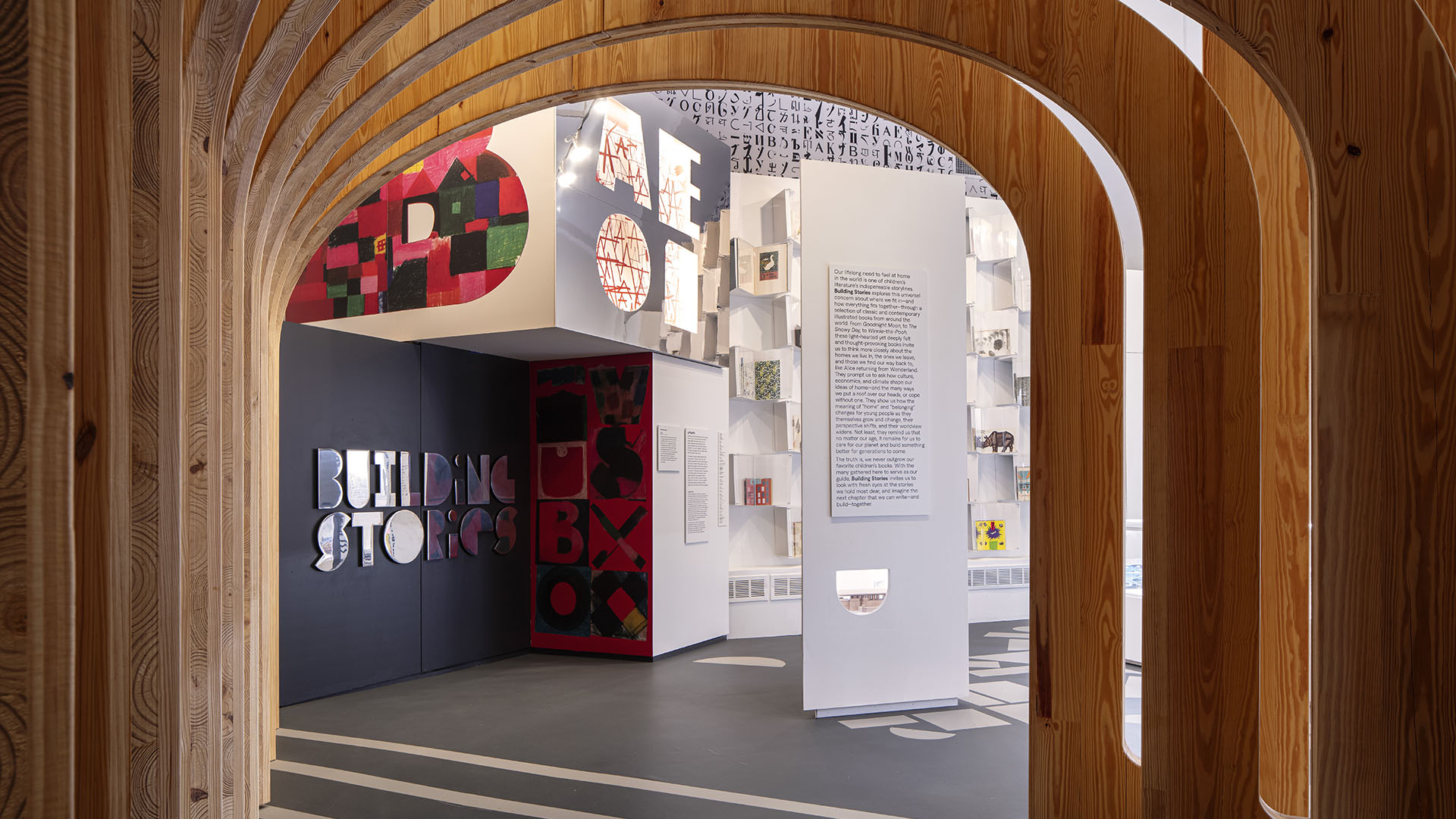
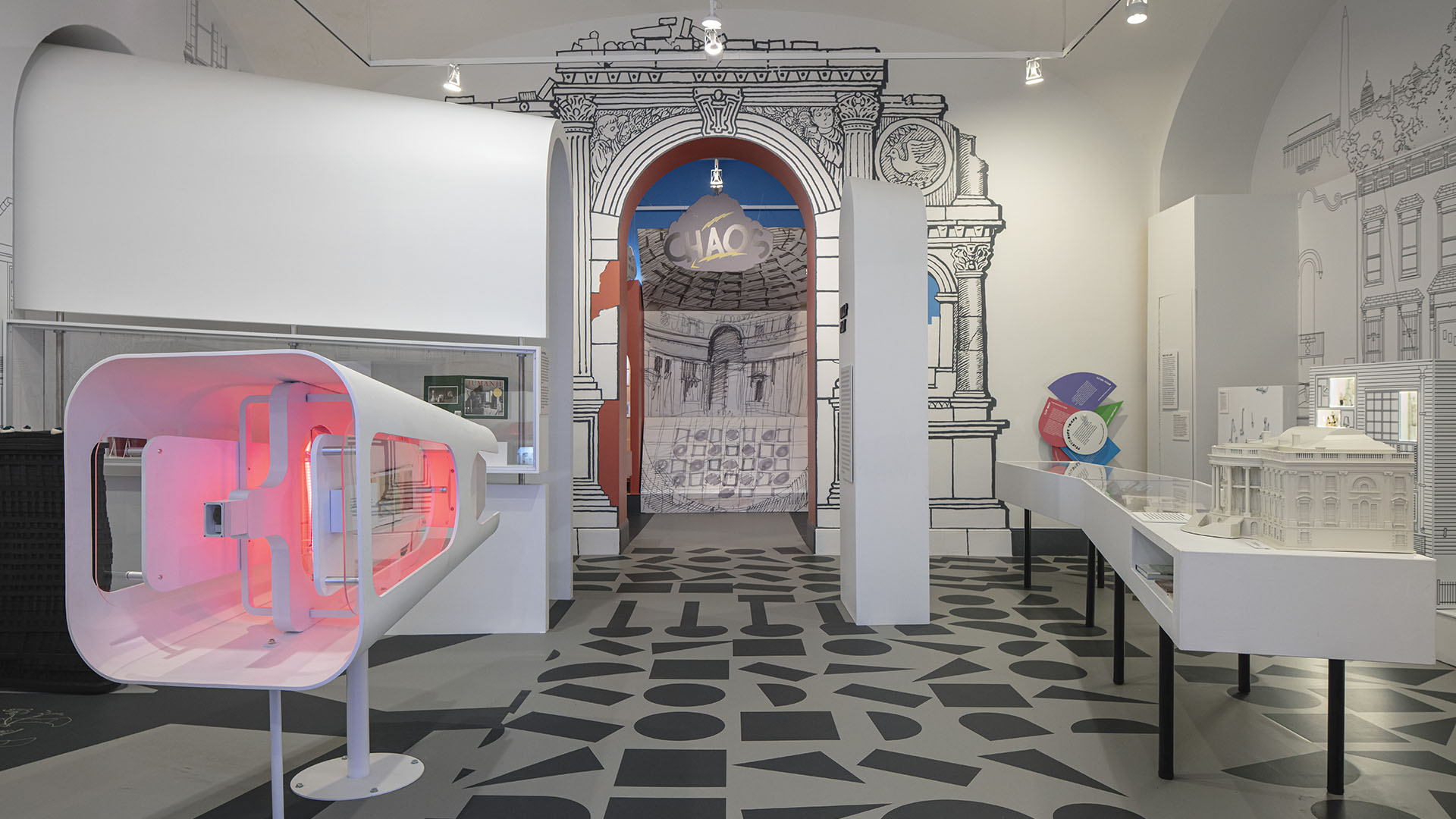
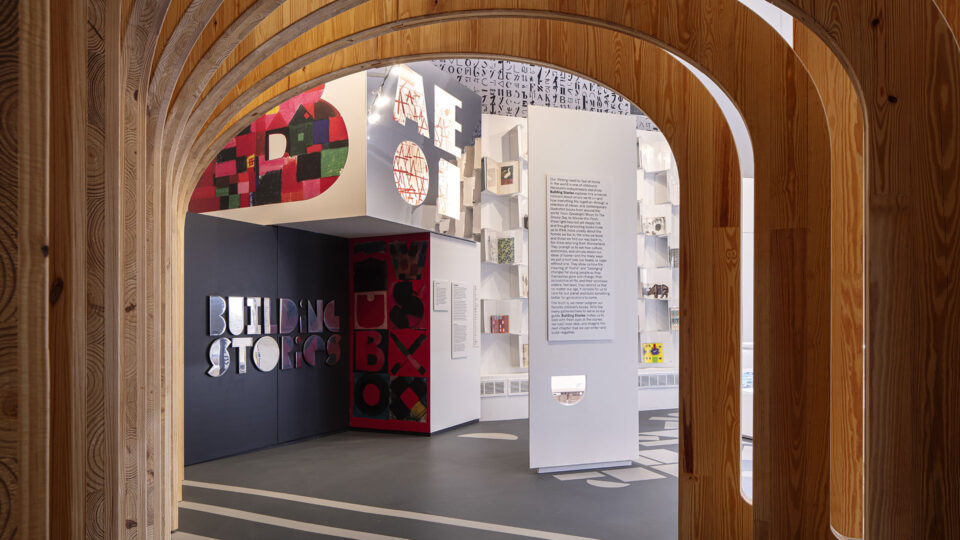
What does it mean to enter a story? At the National Building Museum, Building Stories answers that question with a deep archway of curving timber ribs and a spatialized soundscape of voices reading aloud. From the very first step inside, something shifts. You are no longer a visitor. You are a reader. You are a child encountering scale for the first time.
Designed by Plus And Greater Than, this landmark exhibition works the way the best children’s books work: every element has been considered at multiple levels simultaneously, so that a three-year-old and a thirteen-year-old and the adult who brought them find something genuinely new each time. A “shrinking” tunnel evokes Alice stepping through the looking glass. A multimedia theater uses light, projection, and sound to make narrated stories felt rather than just heard. Oversized soft blocks invite visitors to build three-dimensional stories of their own.
The design team was involved in virtually every facet, from the overarching narrative to the angle of each display case, and the result is an exhibition that understands what the Eameses understood: that curiosity is not a mood, it is a method. When the environment is layered with enough richness, the tenth visit is as illuminating as the first.
Blinky Climber
Design: Gyroscope Inc.
Client: Florida Children’s Museum; Lakeland, Florida
Award: SEGD Global Design Award, Merit (2025) – Placemaking
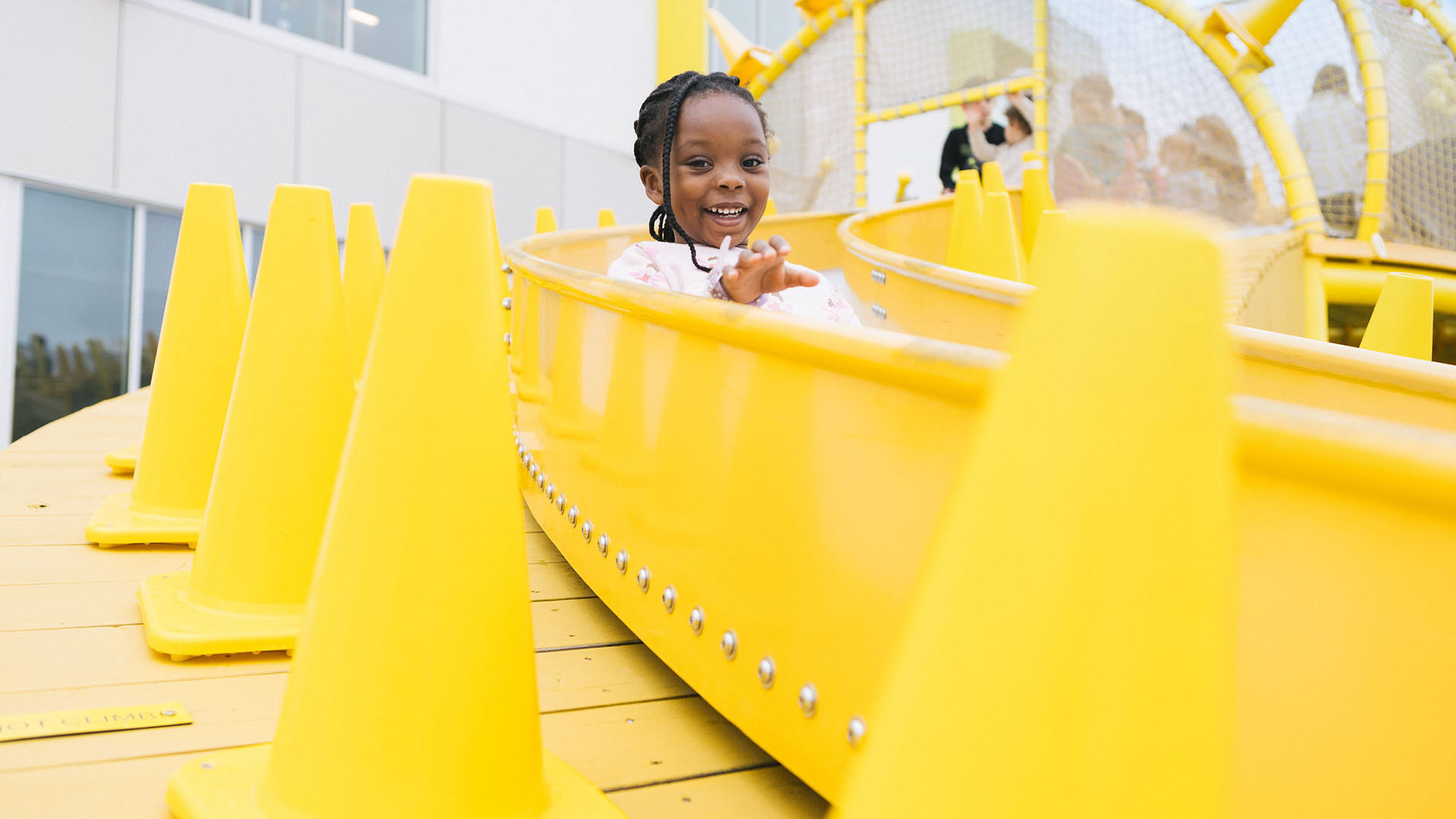
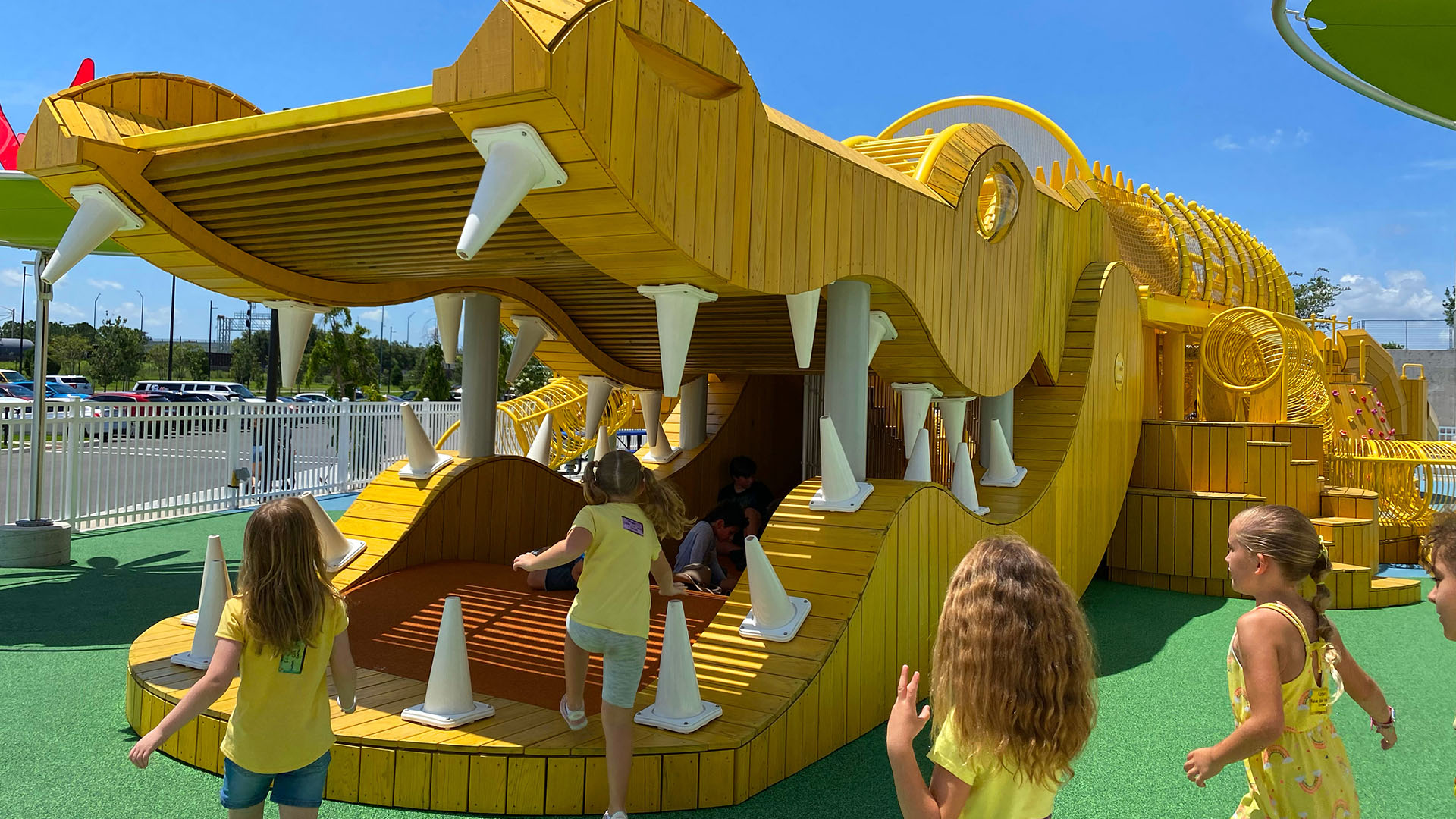
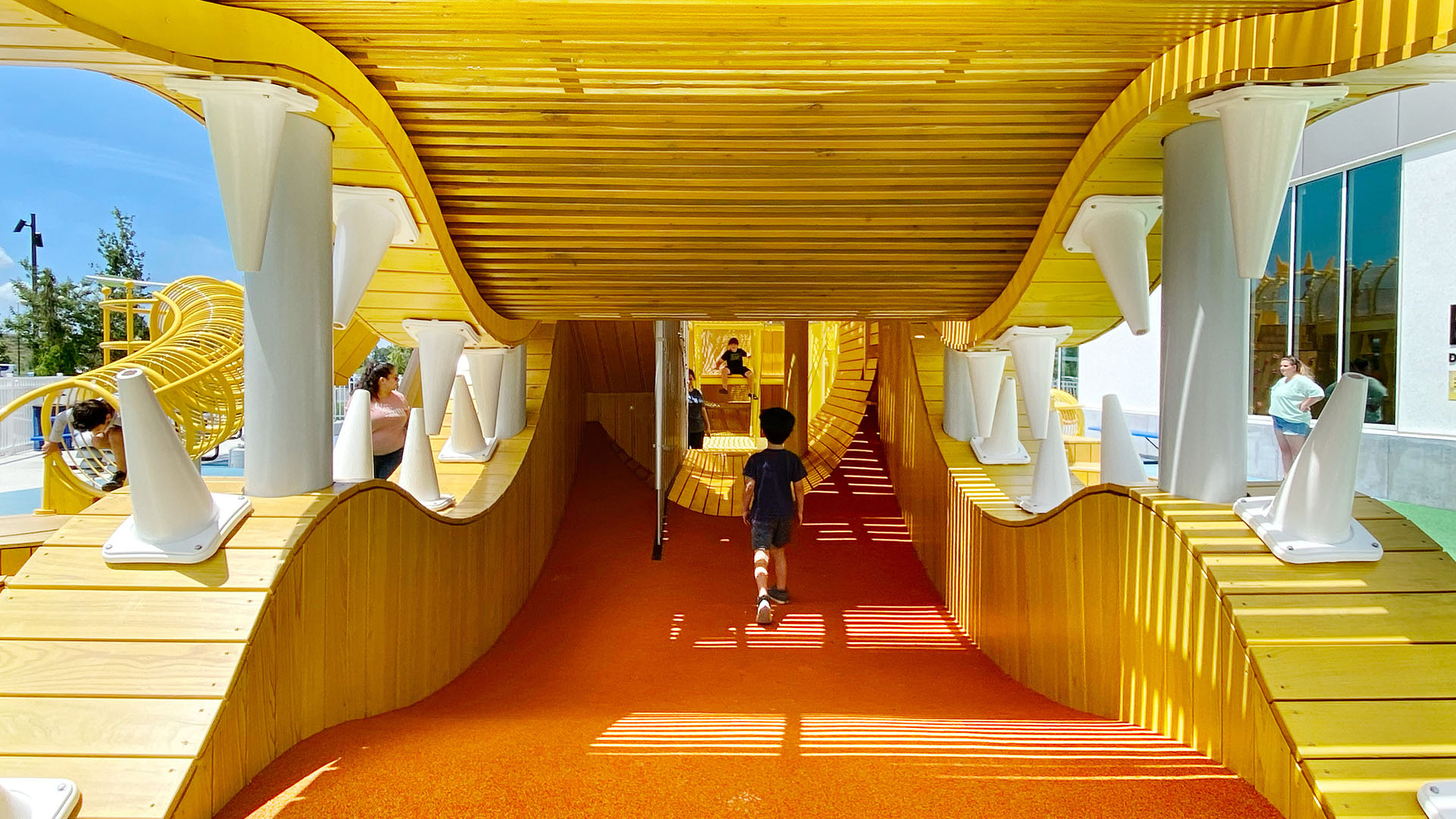
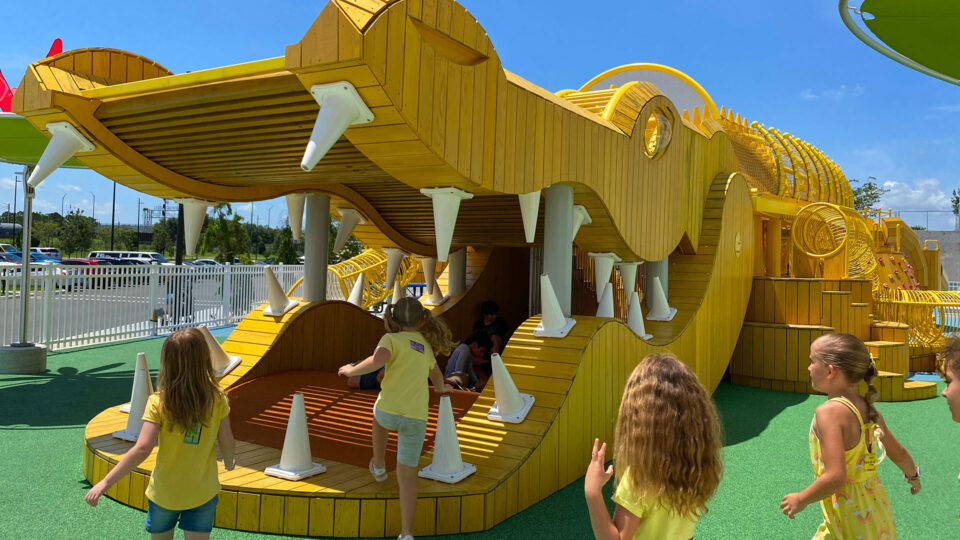
In the 1970s, a one-eyed alligator named Blinky wandered the streets of Lakeland, Florida, eating marshmallows from children’s hands, charming an entire community, and becoming, improbably, a symbol of unlikely friendship. That story could have been a plaque on a wall. Instead, Gyroscope Inc. turned it into a 100-foot climbable sculpture: yellow, whimsical, made of traffic cones and canoe paddles and rope, and irresistibly alive.
The Blinky Climber is what happens when designers ask not just what should this look like but what should this feel like. It feels like discovery. The scale creates panoramic lookout points and dappled, treehouse-like shadows at ground level. Musical instruments nestle inside the belly. A tail slide carries children back to earth. The structure is, technically, a playground, but in the way that a great toy is technically an object. What it really is, is an invitation.
What the design team understood is something play researchers have long argued: surprise and whimsy are not decorative. They are the mechanism by which children and adults stay curious long enough to learn. Blinky also transmits something more complex: adults stopping to share their own memories with their kids, a piece of civic history passed through laughter. That is design doing its deepest work.
Five More Places to Find Wonder This Summer
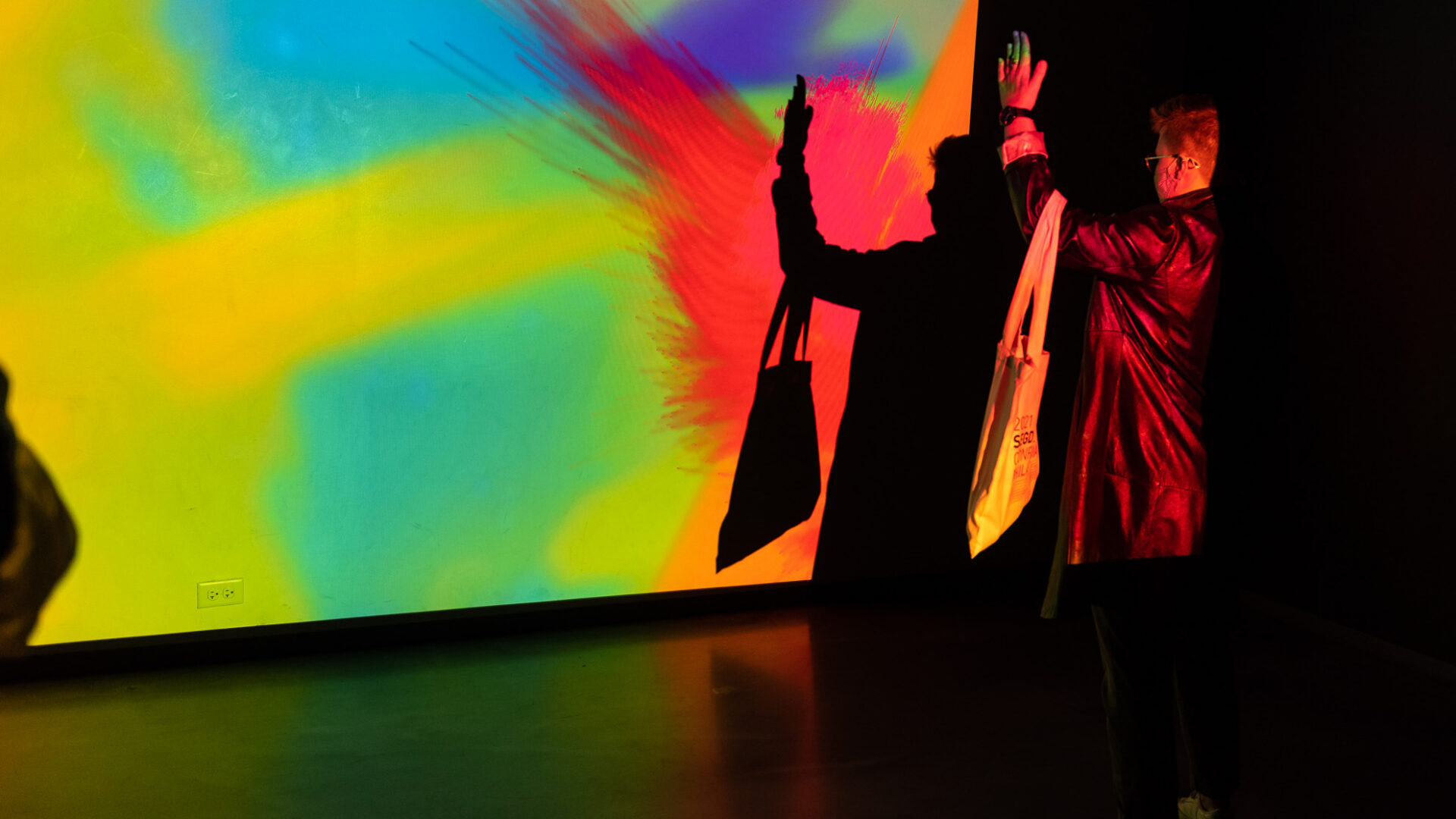
These three award-winning projects remind us that curiosity, surprise, and whimsy aren’t soft virtues. They are design’s most powerful tools. And if they’ve put you in the mood to get off your screen and into an experience, here are five new destinations doing something worth seeing right now.
The Source: Where Curiosity Sparks Discovery
Library of Congress, Washington, D.C.
Just opened in May, The Source is a brand-new 4,000-square-foot experiential research gallery at the Library of Congress, designed for visitors ages 8 to 15. The goal was to get kids to have their hands engaged with research, not just learn about the library, building on their inherent curiosity. That it lives inside one of the most monumental buildings in Washington makes the contrast all the more powerful. loc.gov
FAMily Discovery Center
First Americans Museum, Oklahoma City
A two-story, 5,000-square-foot attraction that transforms the wonder of a pop-up book into a full-scale adventure, the FAMily Discovery Center opened at First Americans Museum in September 2025. Visitors climb through treetops, peer down from a hawk’s nest, crawl into an animal den, and peek into the underground world of insects, all while experiencing the stories, values, and traditions of Oklahoma’s 39 Tribal Nations. A living pop-up book that is also an act of cultural transmission. famok.org
Moody Family Children’s Museum
Perot Museum of Nature and Science, Dallas
The reimagined Moody Family Children’s Museum has expanded from 6,250 to nearly 11,000 square feet and now includes a Makery for tinkering, an immersive Imaginarium, and a larger outdoor area with climbing and water features. One to watch as it continues to evolve, and proof that great children’s museum design is always worth a fresh look. perotmuseum.org
Colors of Creation
The Weitzman National Museum of American Jewish History, Philadelphia
Opening July 4th, 2026, this new family gallery at the Weitzman National Museum of American Jewish History is inspired by the seven days of creation, where each step brings a burst of color and a dynamic, immersive experience, culminating in a dazzling, all-encompassing moment with all the colors of the rainbow. Playful, surprising, illuminated, and smart: it sounds like a brief for the best kind of experiential design. theweitzman.org
Netflix House
Philadelphia (King of Prussia) and Dallas (Galleria)
Netflix House is a permanent, year-round destination where visitors can play, eat, and shop their favorite shows in real life, with large-scale interactive experiences, VR, arcade games, and experiences that refresh regularly throughout the year. It raises genuinely interesting questions about where the boundaries of exhibition design, entertainment, and branded experience now sit, and it is hard not to find that conversation worth having in person. netflix.com/house
One Last Thing
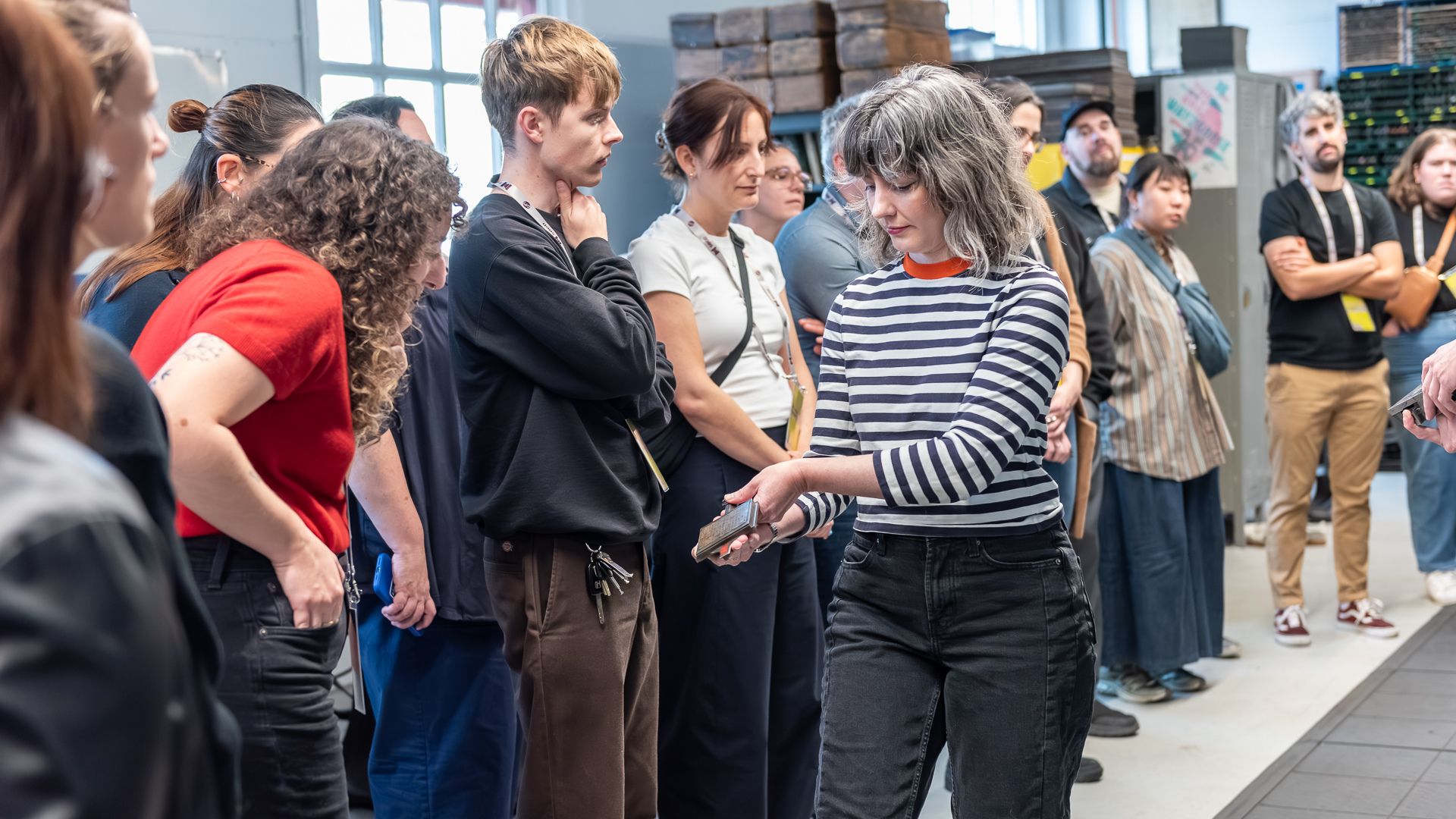
Summer has a way of loosening our grip on routine. Schedules shift. Days stretch a little longer. We find ourselves wandering down unfamiliar streets, taking detours, saying yes to things we might normally rush past. That openness matters.
The projects in this story remind us that some of the most meaningful experiences begin with a simple invitation: climb this, turn that, walk through here, see what happens. They ask us to participate rather than observe. To engage rather than consume.
As designers, we spend much of our time thinking about how people move through experiences. As visitors, we don’t always give ourselves the same opportunity.
So this summer, seek out places that reward exploration. Visit a museum. Wander through a public installation. Take your kids, your friends, or go alone. Allow yourself to be surprised.
You may come away inspired by the design. Or you may simply leave with something even more valuable: a renewed sense of curiosity about the world around you.
People also viewed…
-
Carousel for Companionship
Carousel for Companionship
-
Building Stories
Building Stories
-
The Blinky Climber
The Blinky Climber