What Branded Environments Get Right About the Future of Cities
Branded environments have evolved from spectacle to civic infrastructure—shaping belonging, identity, and real-world experience. From Los Angeles sports districts to museums and retail, immersive design is redefining public life and transforming spectators into participants.
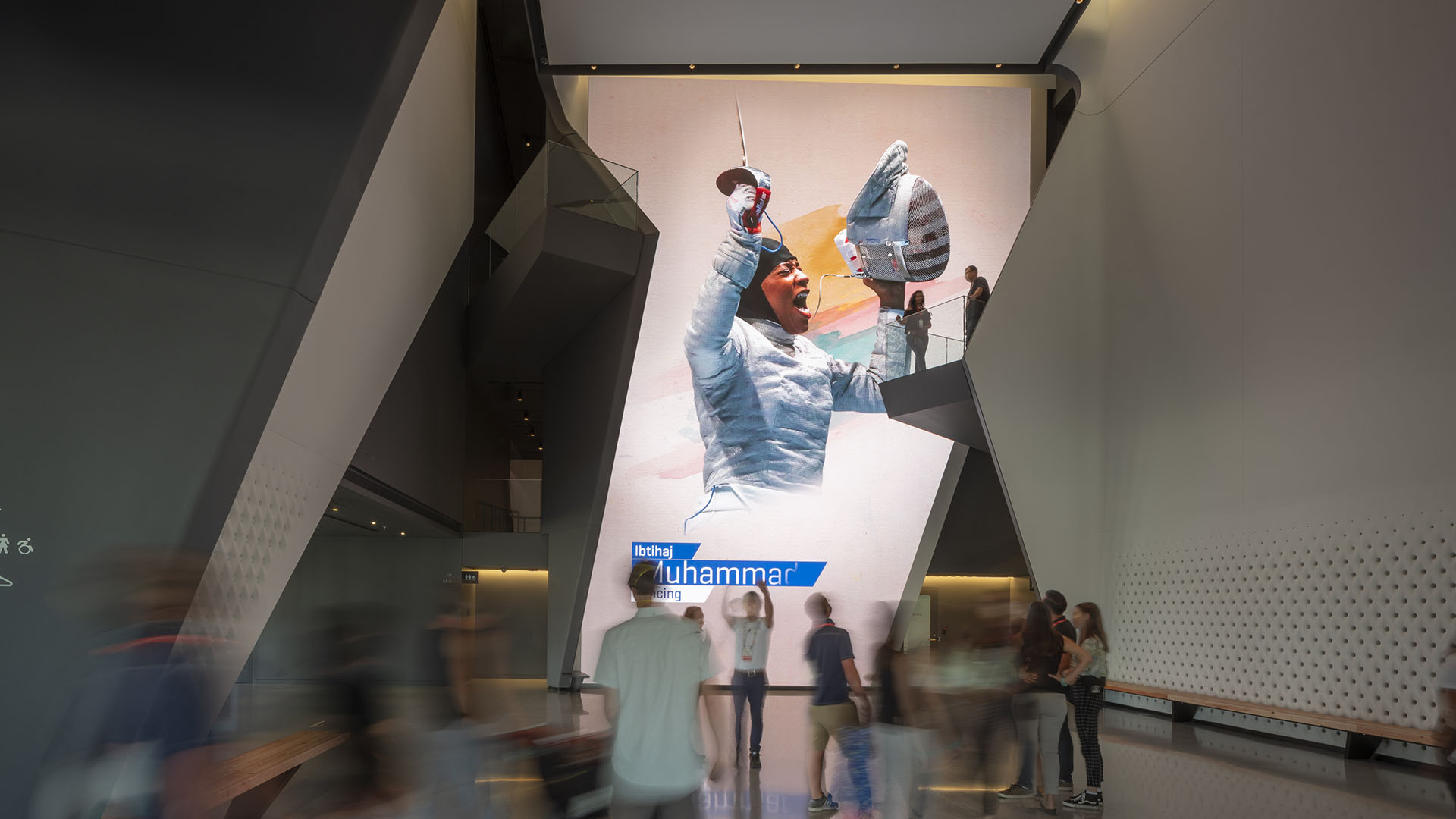
There was a time when “branded environments” were viewed as spectacle — bold graphics, big screens, and corporate storytelling at scale. Today, they are something far more consequential. They are shaping how cities gather, how communities express identity, and what public life feels like.
Laboratories for Real-World Experience
Sports and entertainment districts have become laboratories for real-world experience. They test how architecture, media, hospitality, technology, and narrative intersect to create belonging. They explore how emotion can be designed — not manipulated, but thoughtfully supported — through choreography, materiality, light, sound, and sequence.
In a world saturated with digital content, these places remind us that physical experiences still matter. In fact, they matter more.
Los Angeles offers a powerful lens into this shift. Yes, the region is preparing for a global Olympic and Paralympic moment. But beyond that, it continues to evolve into a city where sports, music, culture, and mixed-use development are redefining what civic gatherings look like. These environments are no longer single-purpose venues. They operate year-round, acting as anchors for neighborhoods, economic catalysts, and stages for collective memory.
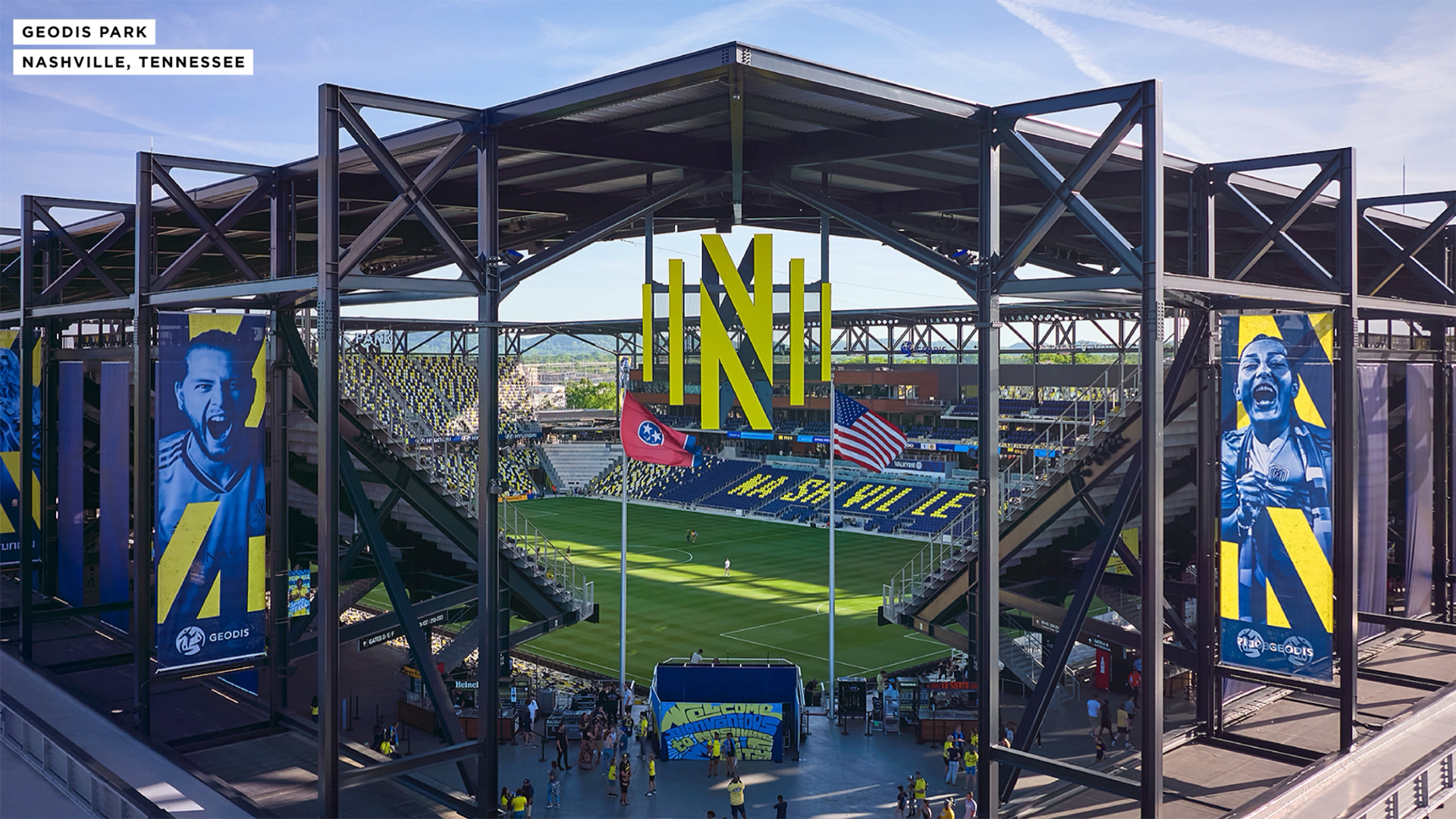
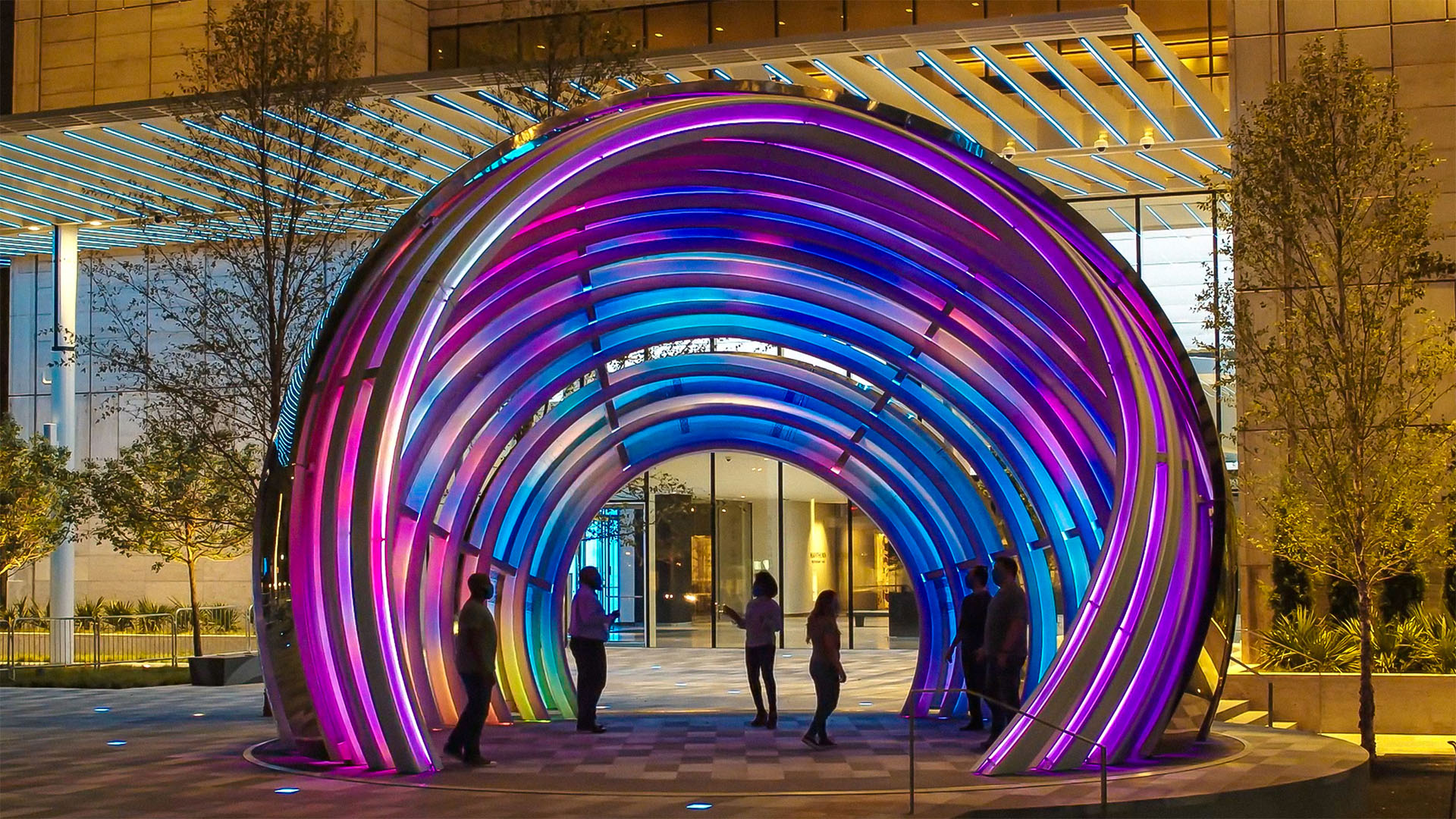
Going Beyond Fandom
What’s happening in branded environments is influencing far more than fandom. Museums are studying participatory engagement models. Workplace designers are borrowing lessons from the hospitality and entertainment sectors. Retail districts are integrating performance, storytelling, and flexible media architecture. Even transit and public spaces are rethinking how narrative and identity live within the built environment.
The shift is subtle but profound: transforming people from spectators to participants. Audiences expect immersion. They expect responsiveness. They expect environments that feel culturally attuned and emotionally resonant. That expectation is reshaping our role as designers. We are no longer simply shaping how spaces look—we are shaping how they feel, how they function socially, and how they endure.


Why This Conversation Matters Now
That is why this year’s SEGD Branded Environments symposium matters.
It is a gathering for those thinking beyond logos and into lived experience—for designers, strategists, producers, and researchers who understand that brand is no longer just identity. It is infrastructure. It is culture. And it is belonging at scale.
SEGD has long championed the idea that designers are connectors—linking people to place through clarity, story, and emotion. Branded environments push that belief further. They ask us to consider experience as a civic strategy and gathering as a form of design leadership.
If you are curious about where experiential design is headed—not just in sports, but across culture, commerce, and community life—this is the conversation to be part of.
2026 SEGD Branded Environments—The Power of Fandom
People also viewed
-
Designing Belief: How Branded Environments Shape Sports, Identity, and Community
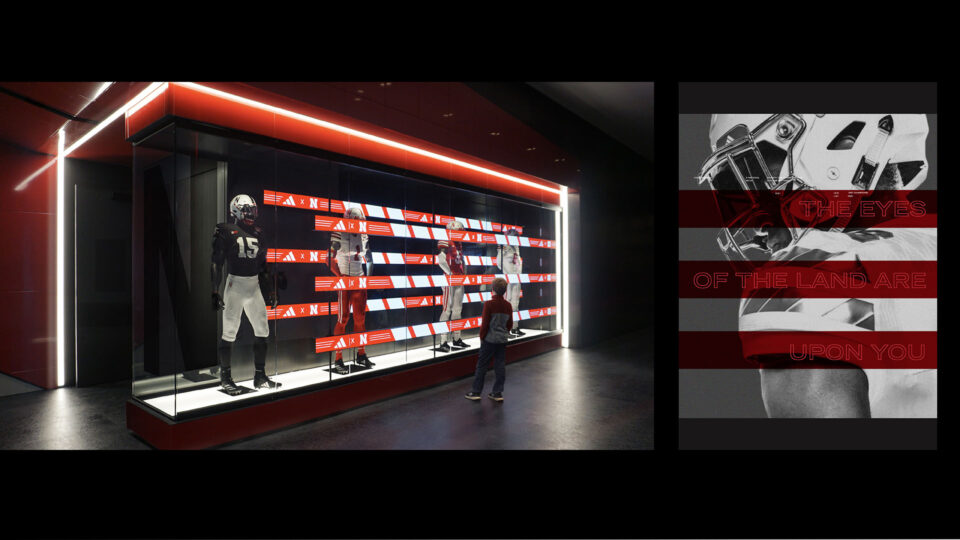
Designing Belief: How Branded Environments Shape Sports, Identity, and Community
-
Speakers + Tours Announced: Designing the Power of Fandom at 2026 SEGD Branded Environments
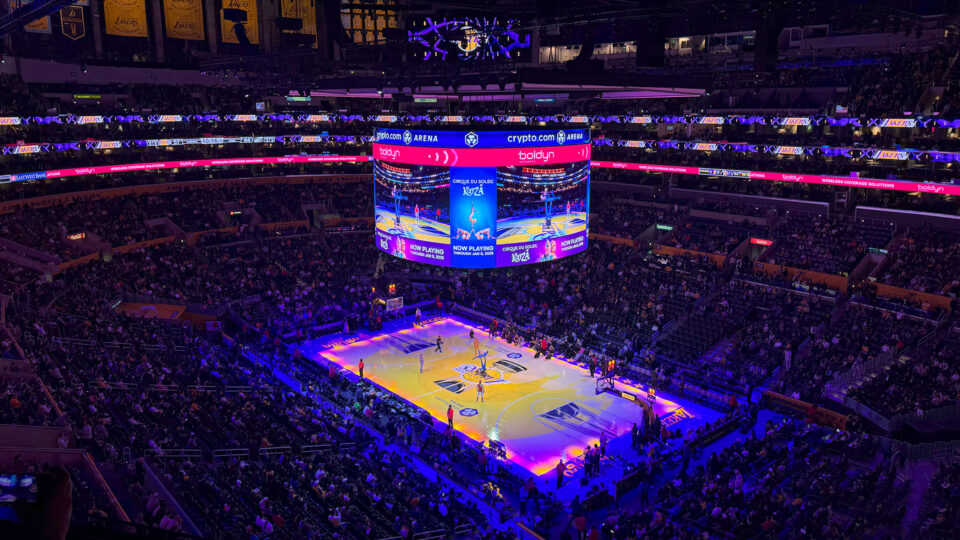
Speakers + Tours Announced: Designing the Power of Fandom at 2026 SEGD Branded Environments
-
2026 SEGD Branded Environments: Sports, Entertainment + the Power of Fandom—Designed IRL
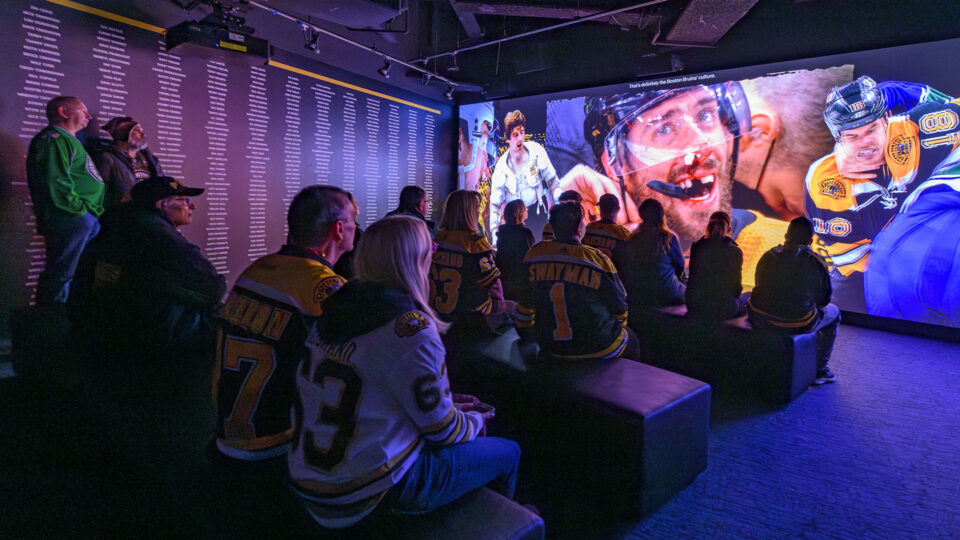
2026 SEGD Branded Environments: Sports, Entertainment + the Power of Fandom—Designed IRL