Remembering Robert “Sully” Sullivan: The Responsibility of Telling the Whole Story
As museum and experiential design professionals gather this week across the industry, SEGD CEO Cybelle Jones reflects on the legacy of Robert “Sully” Sullivan—one of the field’s pioneers—and the responsibility designers share in shaping public understanding through storytelling, scholarship, and care.
Truth—historical, scientific, human—requires courage. And those of us who shape public stories have a responsibility to speak honestly, thoughtfully, and without fear.
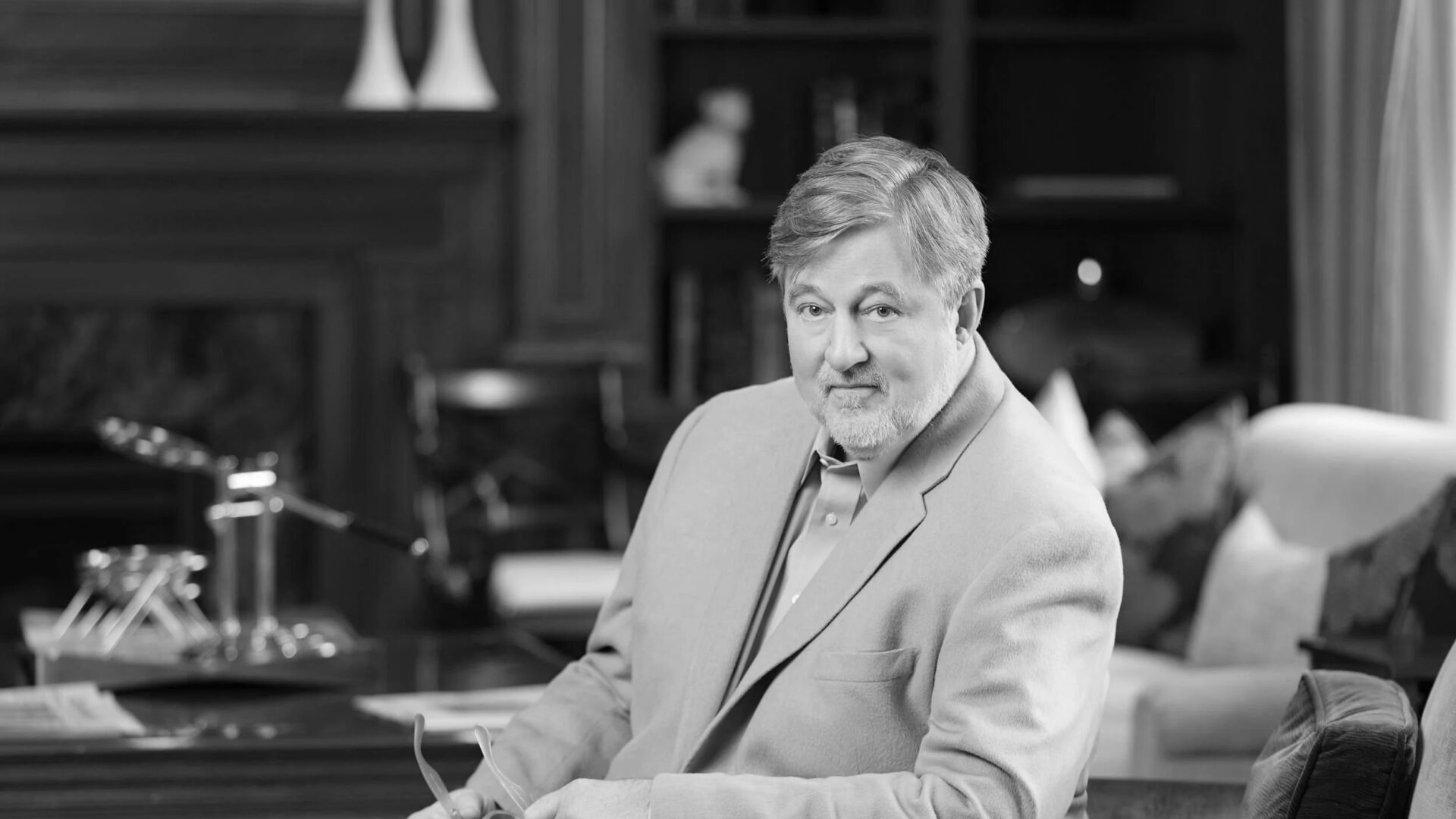
This week, many friends and colleagues across the museum and experiential design community are gathering in Baltimore for one of the field’s annual convenings. Moments like this often remind me of the individuals who helped shape how our profession thinks about visitors, storytelling, and the responsibility that comes with designing public experiences.
One of those people was Robert “Sully” Sullivan.
Sully passed away last year, and many of us in the exhibition design community have been reflecting on the impact he had on our field. Last November, Maria Elena Gutierrez—Sully’s partner and co-founder at Chora—asked me to speak at his memorial. It was one of the greatest honors I’ve ever been given, and also one of the most nerve-wracking. How do you do justice to someone who shaped the thinking of so many people across our profession?
For those who may not have had the chance to work with him, Sully’s influence on the museum field was profound.
Over more than 50 years, Robert “Sully” Sullivan shaped museum leadership, exhibitions, and public programming. From 1990–2006, he served as Associate Director of the Smithsonian’s National Museum of Natural History. He later partnered with Maria Elena Gutierrez to co-found Chora, LLC, a strategic planning consultancy for museums and cultural institutions, and taught museum studies at George Washington University and Johns Hopkins University.
Coming together that day to celebrate Sully felt like stepping inside his mind and heart—thoughtful, layered, emotional, and beautifully composed.
In many ways, it reflected the work he pioneered in museums long before “experience design” became a discipline.
What Will People Truly Remember?
Sully understood something fundamental: exhibitions are not just about content. They are about people.
He cared deeply about how visitors think, feel, move, and connect to stories. And he always returned to a deceptively simple question:
What will people truly remember?
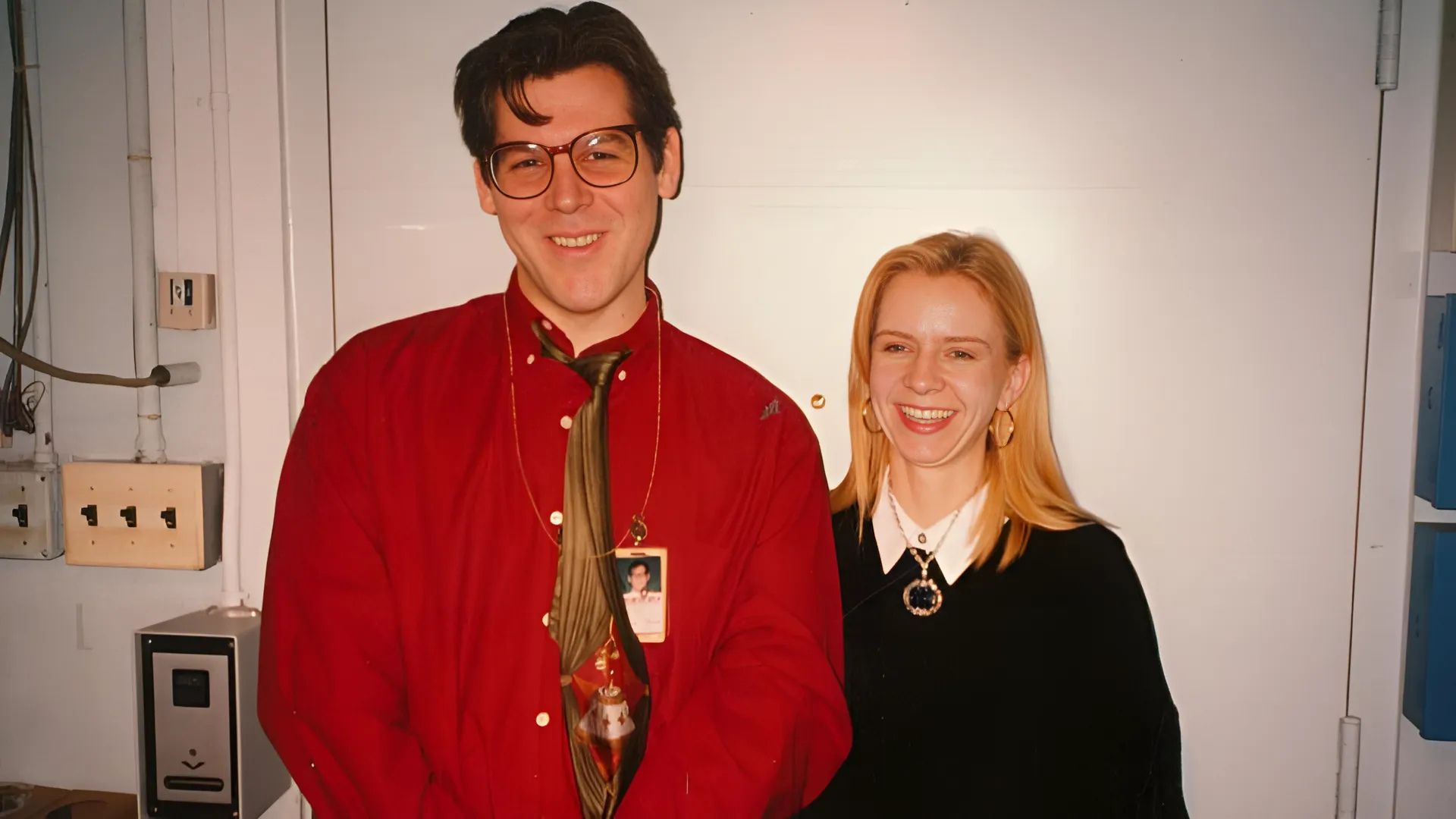
I saw this firsthand while working with Sully on the Gems Hall at the Smithsonian National Museum of Natural History. His passion wasn’t just about presenting extraordinary objects—it was about creating meaning in what might be a two-minute encounter with the Hope Diamond, squeezed between eight other must-see artifacts across five museums on a hot Washington, DC summer afternoon.
That question led him to surprising places.
He once had our team study Disney theme parks—not for spectacle, but to understand how families move through spaces, how they cope, and what still sparks attention and awe. He debated whether the motorized walkway past the Crown Jewels was tacky or the perfect way to allow visitors a moment of quiet admiration. And he even drove us to rural Pennsylvania to sit in a modern church and watch light move across stone, imagining how that same sense of wonder might inform the lighting of the Hope Diamond.
Sully’s brilliance could be intimidating. He never shied away from challenging assumptions—whether they came from curators, scientists, donors, educators, designers, or clients. He asked the uncomfortable questions that forced all of us to rethink what we thought we knew.
But those challenges came from a deeper belief.
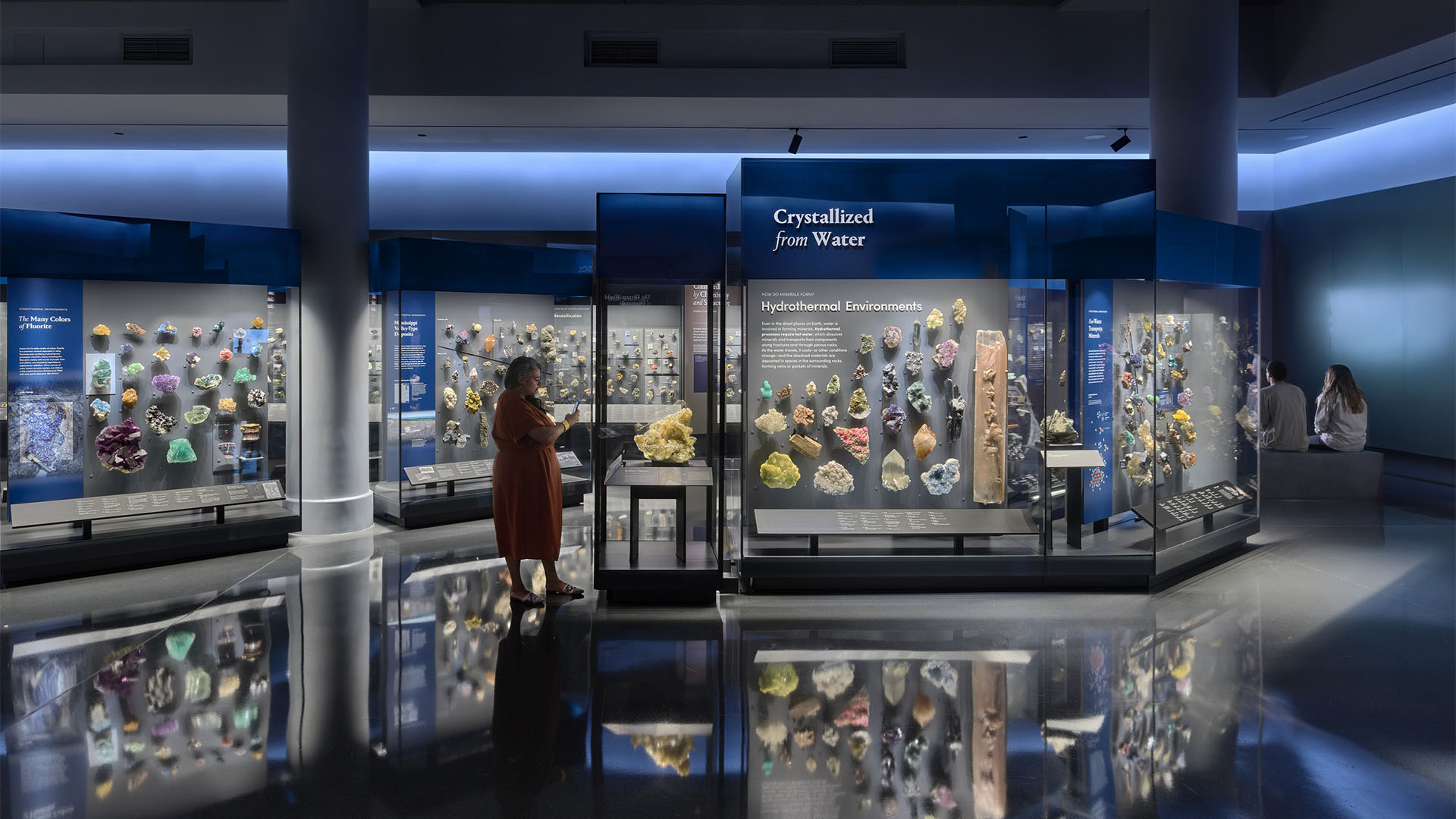
If he could get audiences to fall in love with the rainbow of minerals, they would want to understand why they were different colors. If he could help visitors fall in love with the ocean, you didn’t need scare tactics to inspire care for conservation.
As Maya Angelou famously wrote, “People will forget what you did or said, but they will never forget how you made them feel.”
Sully took that idea to heart.
Many people may never know Robert Sullivan’s name, but tens of millions have experienced his work. They felt welcomed, oriented, surprised, and moved—because he believed something that should feel obvious but too often isn’t:
Clarity is a form of care.
The Responsibility of Public Storytelling
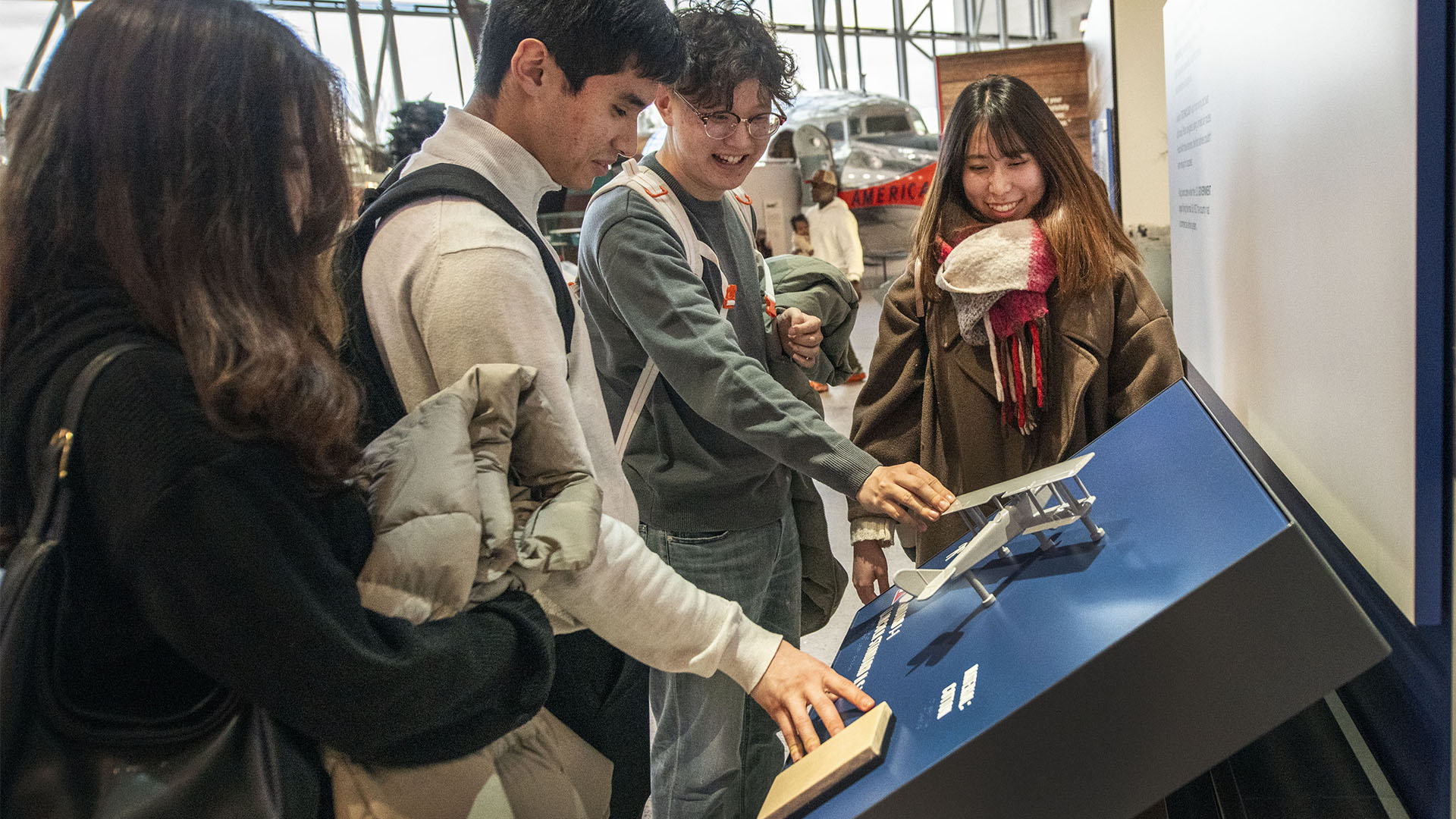
Sully believed museums belong to the public. While he deeply respected scholarship, he also insisted that content must be understandable, compelling, and even joyful.
And behind his famously high standards was a big heart and a wonderful sense of humor. He saw the best in people and pushed them toward it—lifting up colleagues and helping shape generations of exhibition designers, curators, and storytellers.
He didn’t just shape exhibitions.
He shaped people.
It should not surprise anyone who knew him that Sully studied theology. He approached museum work with reverence—believing ideas should be illuminated, not obscured.
Especially when those ideas were difficult.
He believed museums could invite visitors to examine history, science, and culture from multiple perspectives, bringing their own experiences into the conversation. For Sully, exhibitions were spaces where the complexity of the world could be explored with curiosity and care.
During his memorial, I asked a question that feels just as relevant for our field today:
What will we remember that Sully taught us?
That truth—historical, scientific, human—requires courage.
That scholarship must be defended with clarity and care.
And when silence feels easier, those of us who shape public stories have a responsibility to speak honestly, thoughtfully, and without fear.
That work now belongs to us.
To speak truth when it matters.
To stay agile rather than rigid.
To welcome new voices.
And to ensure the stories we tell honor the complexity of the world, Sully spent his life helping people understand—and care about.
I miss him. There are no more Sullys in the world.
But the work he believed in—telling the whole story, welcoming the public into it, and defending truth with clarity and care—continues through the communities he helped shape.
As designers, curators, scholars, and storytellers gather this week and throughout the year, I hope we carry that responsibility forward.
And maybe, if we listen closely, we might still hear Sully leaning over our shoulder—tightening a phrase, sharpening a point, and reminding us to ask the question he always returned to:
What will people truly remember?
People also viewed
-
The Risk to Lead, the Risk to Grow: 5 Lessons on Stepping Into the Unknown

The Risk to Lead, the Risk to Grow: 5 Lessons on Stepping Into the Unknown
-
The Radical Act of Play
The Radical Act of Play
-
Women in Design: 5 Lessons on Breaking Barriers and Building Community
Women in Design: 5 Lessons on Breaking Barriers and Building Community