Form Follows Content: The Design Philosophy of Shirin Frangoul-Brückner
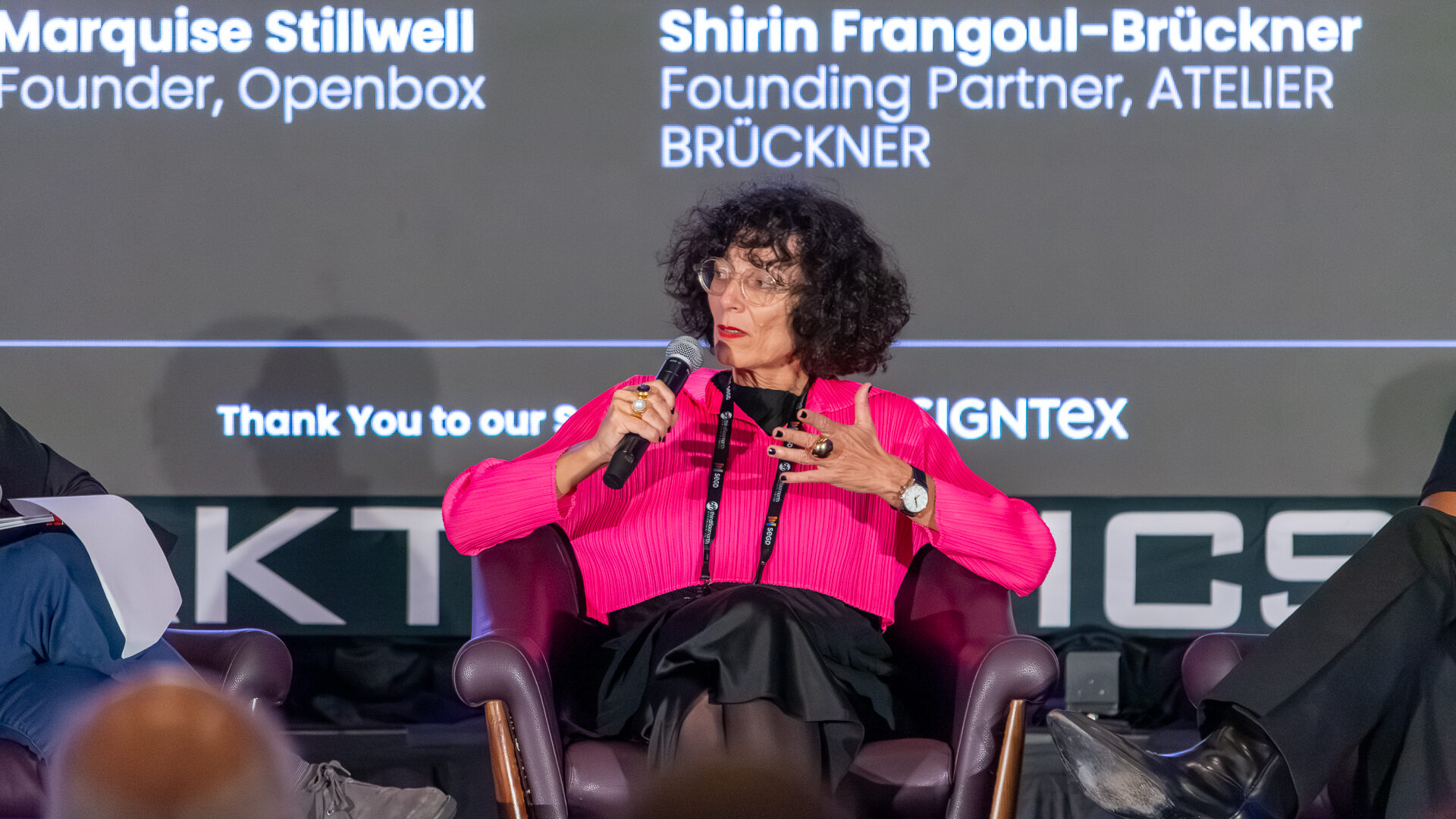
Shirin Frangoul-Brückner, FSEGD, founding partner of ATELIER BRÜCKNER, has spent nearly three decades shaping some of the world’s most influential museums and exhibitions through a simple but transformative philosophy: Form Follows Content. In her newly released 2024 SEGD Fellows presentation, she reflects on leadership, curiosity, and why understanding must always come before design.

“Form follows function,” the principle popularized by architect Louis Sullivan more than a century ago, has shaped generations of architects and designers, reminding us that purpose should determine form. For Shirin Frangoul-Brückner, FSEGD, one subtle revision transforms the idea entirely.
Form follows content.
By replacing a single word in Sullivan’s famous maxim, Shirin quietly shifts the designer’s starting point. Design begins not with form, but with content. Every creative decision grows from first understanding what an experience is trying to communicate.
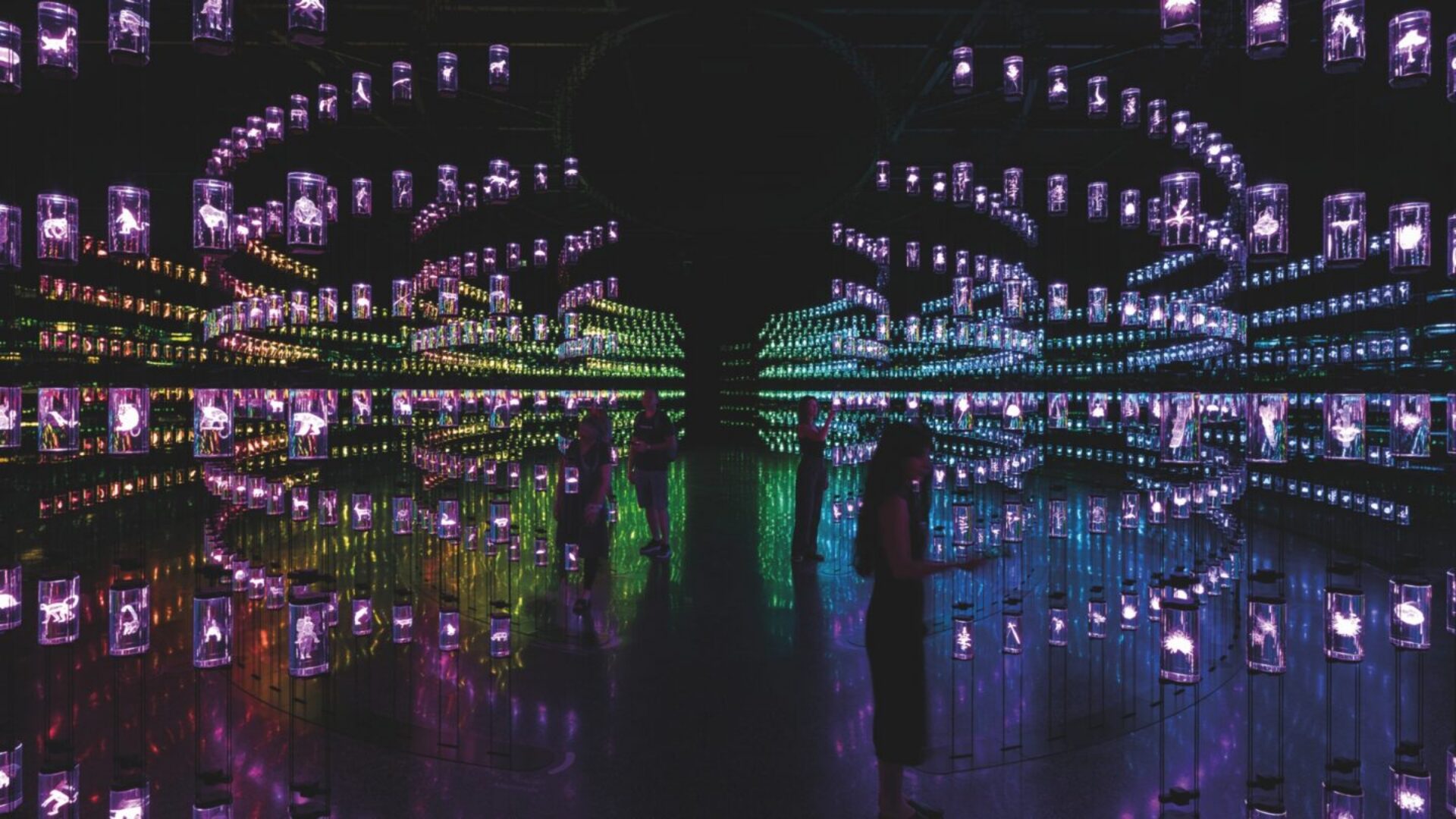
That philosophy has guided ATELIER BRÜCKNER since Shirin and Uwe R. Brückner founded the studio in 1997. Over nearly three decades, it has shaped projects ranging from the Grand Egyptian Museum and the Museum of the Future to community-driven cultural institutions and intimate exhibitions around the world. Though diverse in scale and subject, they share a common belief: design should never compete with content. Its purpose is to reveal it.
Now, Shirin’s 2024 SEGD Fellows presentation is available to watch. More than a retrospective of an extraordinary career, it offers a window into the ideas that have shaped one of experiential design’s most influential studios. Throughout her talk, Shirin returns to a deceptively simple principle that has guided her work for nearly three decades.
“Content is the generating factor that influences all spatial design decisions. We try to work in the field of tension between content and design.”
Rather than imposing solutions, Shirin begins with understanding. Design doesn’t compete with content or seek to overshadow it. It listens carefully enough to reveal what is already there.
That philosophy extends well beyond exhibition design. It shapes the way Shirin leads teams, embraces technology, and navigates the competing priorities that define every creative practice. Rather than trying to eliminate those tensions, she has built a practice around working within them, trusting that thoughtful design emerges not from choosing one priority over another, but from understanding how they strengthen each other.
Discovering the DNA
At the heart of Shirin’s philosophy is a simple shift in sequence. Design doesn’t begin with architecture. It doesn’t begin with media, lighting, technology, or aesthetics.
It begins with understanding.
First, we develop the DNA of a project by analyzing the content briefing and understanding the spatial qualities. Then we translate the content into space.
Most studios talk about brainstorming or concept development. Shirin talks about discovering a project’s DNA. The metaphor suggests that the essence of a project already exists. The designer’s task is to uncover it, then ensure every subsequent decision grows from that foundation.
Seen this way, design becomes less about invention than revelation. Architecture, media, graphics, lighting, and technology become the language through which content is translated into experience.
That way of working also asks something different of the designer. Not simply creativity, but curiosity. Rather than approaching a project with predetermined solutions, Shirin begins with questions. Listening, in this context, is not simply a professional skill. It’s a design methodology.
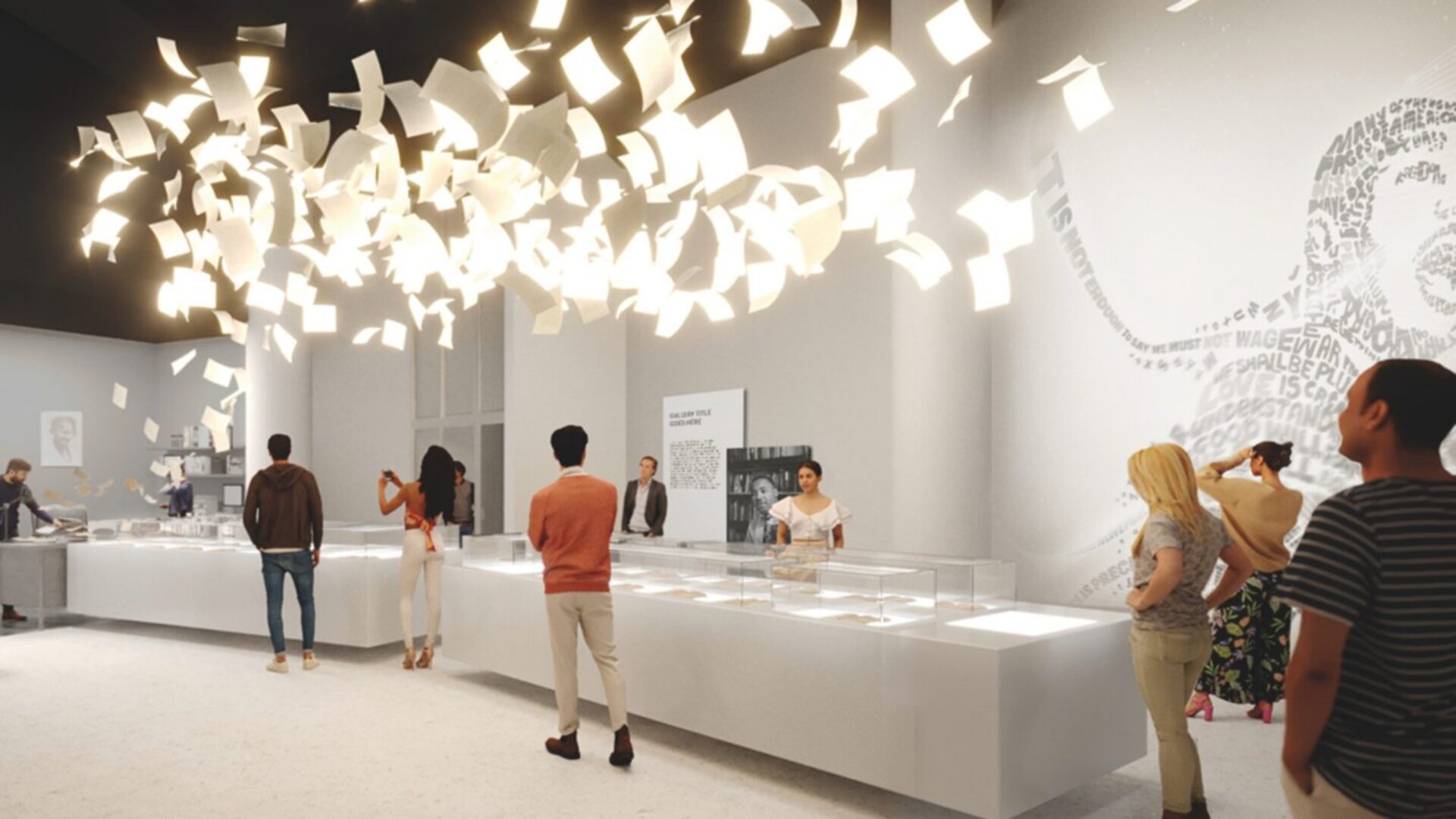
You can see that philosophy in projects like the National Center for Civil and Human Rights in Atlanta, where the exhibition emerged through close collaboration with the communities whose histories it represents. Dialogue wasn’t simply part of the process; it became the process itself.
The same principle carries across cultures. Working internationally taught Shirin that understanding cannot begin with assumptions. Every project demands curiosity, respect, and what she describes as “listening without preconceived notions.” Only by understanding the people, culture, and context behind a project can designers create experiences that genuinely resonate.
Technology follows the same philosophy. As Shirin explains, digital media exists “not for technology’s sake, but to improve how content can be communicated.” It’s a reminder that technology should deepen understanding, never distract from it.
Knowing When to Move
After decades leading projects across Europe, Asia, and the Middle East, she has come to see that cultures approach creativity in fundamentally different ways. European projects often allow years for discussion, iteration, and refinement. Sometimes, she observes, “the project is not getting better by all these discussions.” Elsewhere, particularly in parts of Asia, projects move with extraordinary speed. Decisions happen quickly, momentum never slows, but opportunities for reflection can disappear just as easily.
Neither approach is inherently better. The challenge is knowing when each serves the work.
For Shirin, creative leadership is an exercise in judgment. It means creating enough space for meaningful dialogue while recognizing when it’s time to move forward. Protecting a vision without becoming rigid. Remaining open to new perspectives without losing sight of what matters most.
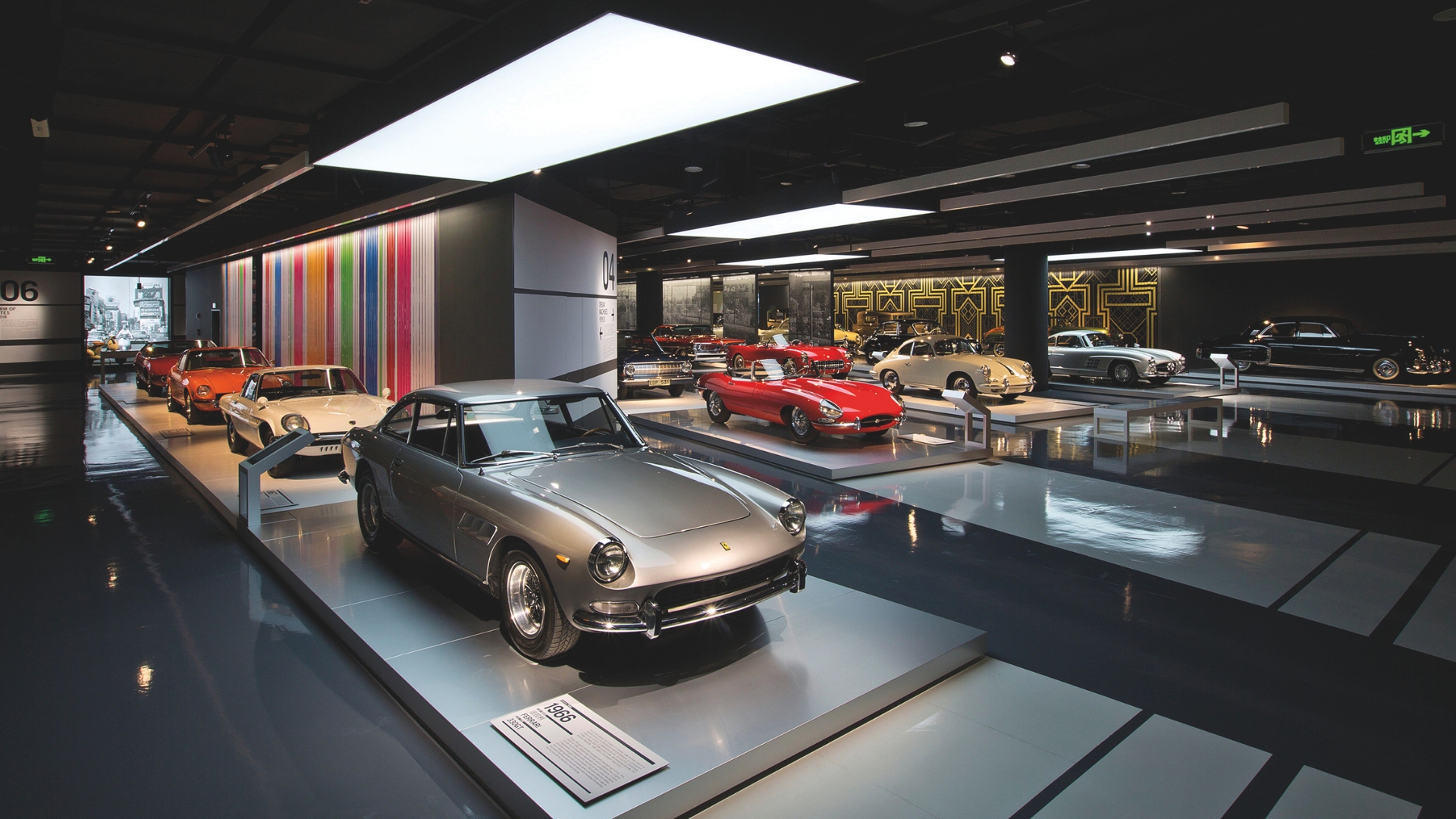
That same balance appears throughout her work. Alongside some of the world’s largest museums are remarkably modest interventions shaped by the communities they serve. What matters is creating spaces people can inhabit, interpret, and ultimately make their own.
Perhaps that’s why her work never feels overdetermined. Even within carefully choreographed exhibitions, there is room for visitors to bring themselves into the experience. Room to linger. Room to question. Room to wonder.
Curiosity isn’t something designers can manufacture. They can only create the conditions for it to emerge.
Mädchen für alles
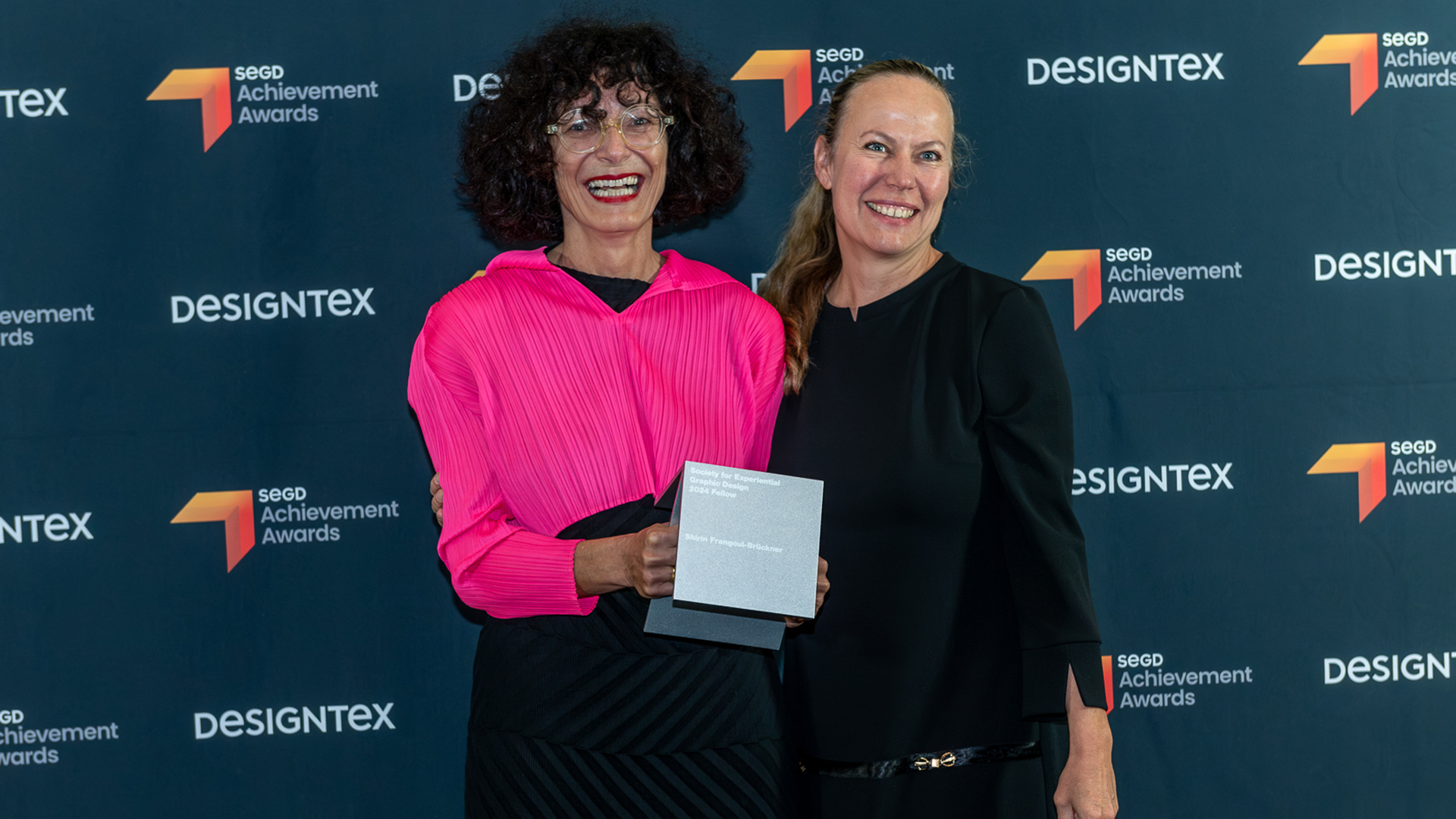
When Shirin reflects on founding ATELIER BRÜCKNER, she laughs about the many hats she had to wear in those early years. Building a studio meant moving constantly between design, project management, administration, business development, and whatever else the day required.
She has a phrase for it: Mädchen für alles. In German, it means “girl for everything.” The expression dates back to those early days, but Shirin still uses it to describe herself.
If I see in the kitchen that the drawer is dirty, I just clean it. If there is a problem with ten million euros, then I solve that, too. I don't ask who made the mistake. We all make mistakes every day.
As the founder of an internationally recognized design studio, Shirin could easily see some responsibilities as hers and others as someone else’s. Instead, she describes leadership with remarkable simplicity. If something needs attention, she attends to it.
Whether the task is cleaning a kitchen drawer or navigating a multi-million-euro project is almost beside the point. Leadership, for Shirin, isn’t about directing every solution from above. It’s about setting an example—demonstrating the ownership, humility, and care you hope others will bring to the work.
That mindset helps explain one of the quietest moments in Shirin’s Fellows presentation. After reflecting on decades of projects and the philosophy behind them, she doesn’t end with herself.
She ends with her team. Rather than closing on another project, she hands the final moments of her presentation to the people who helped make the work possible. It’s a small gesture, but one that feels entirely consistent with everything that came before.
The work may begin with content. It is always brought to life by people.
Living in the Tension
More than a century after Louis Sullivan famously articulated form follows function, Shirin Frangoul-Brückner offers a philosophy equally relevant to experiential design.
Form follows content is more than a design principle. It is a way of practicing with intention.
Throughout her career, Shirin returns to the same discipline again and again: understand before deciding. Listen before leading. Protect the vision without resisting change. Give technology a purpose. Create space for dialogue, then know when it’s time to move.
Looking back, it becomes clear that content and design were never the whole story.
The deeper lesson is to learn to live with the tension between competing ideas rather than rushing to resolve them. Between discussion and decision. Between vision and reality. Between individual authorship and collective creation. Those tensions aren’t obstacles to creativity. They are the conditions that make thoughtful design possible.
Perhaps that’s why Shirin’s work continues to resonate across cultures and continents. It doesn’t ask visitors to admire design for its own sake. It asks design to step back just enough that the ideas, histories, and people at the heart of an experience can come forward.
In an era captivated by novelty and ever-expanding technological possibility, Form Follows Content feels less like a methodology than a practice. A reminder that the strongest design doesn’t begin with having the right answer.
It begins with understanding the content well enough to let it speak.
People also viewed
-
Shirin Frangoul-Brückner

Shirin Frangoul-Brückner
-
What Is Enough? The Design Philosophy of Marquise Stillwell
What Is Enough? The Design Philosophy of Marquise Stillwell
-
Outsized Impact: The Design Philosophy of Ingūna Elere and Holgers Elers
Outsized Impact: The Design Philosophy of Ingūna Elere and Holgers Elers