Design’s True North: Reflections on International Design Day 2026
International Design Day 2026
There is a question underneath all of design. Not what are we making, or even how — but why. Why does it matter that a space is designed with intention? Why does a brand that earns a genuine emotional connection outlast one that is simply well-implemented? Why do the most experienced designers in the world, when you ask them what they are most proud of, rarely describe the object?
On April 27th, International Design Day 2026, SEGD had the honor of hosting this global celebration on behalf of the International Council of Design (ICoD) — a day dedicated to making the case for design’s essential role in society, culture, and the human experience. Our theme was “The Spaces In Between,” an invitation to look past what we make and toward the moments where design quietly shapes how people relate to one another, where strangers become communities, and where belonging is built or broken.
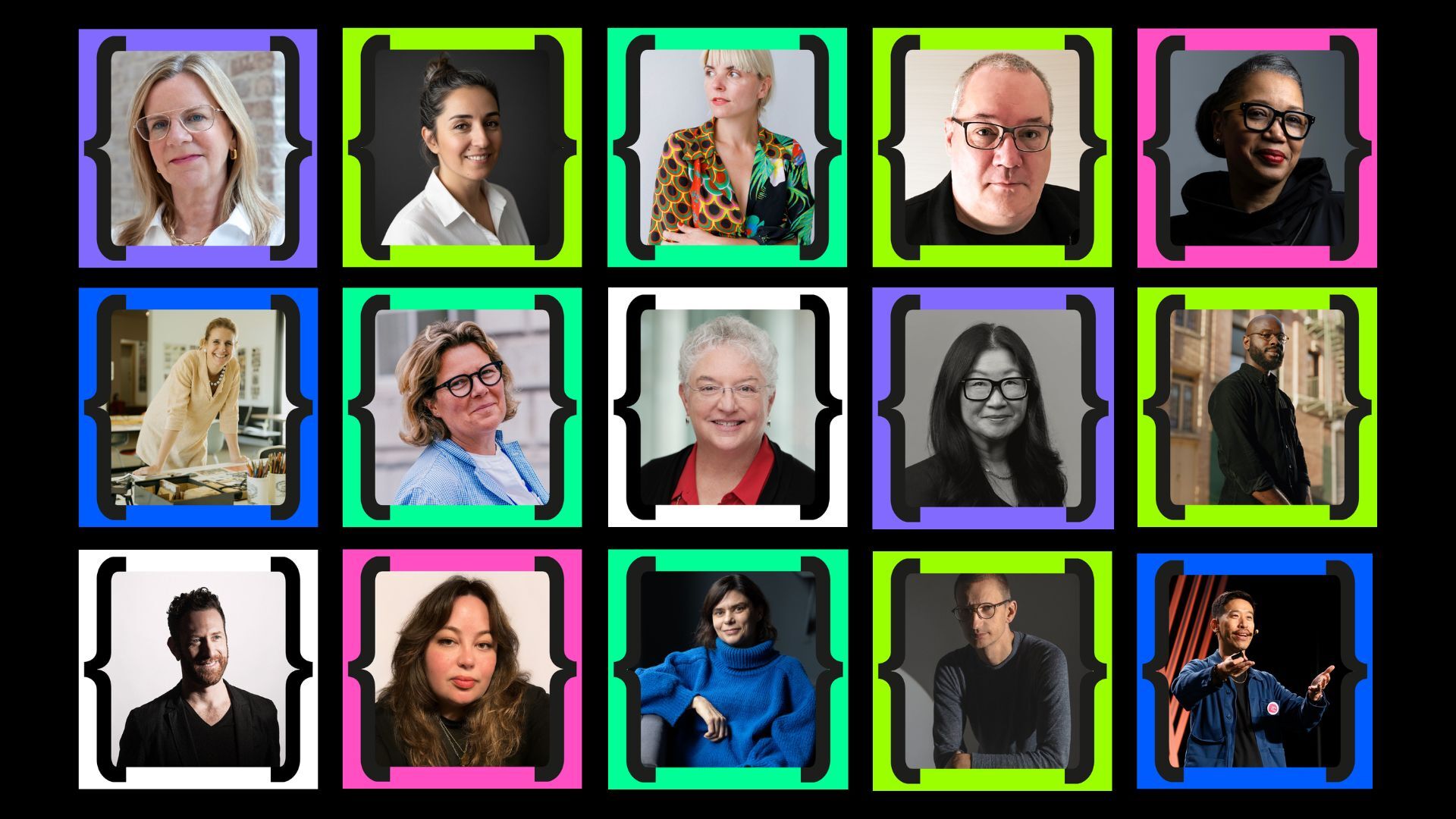
I had the privilege of speaking with fourteen designers and design leaders from across disciplines and across the globe—architects, brand strategists, experiential designers, curators, educators, and institutional leaders. What I didn’t anticipate was how completely, and from how many different directions, they would all arrive at the same place. The why. The human. The invisible thing that makes the work matter.
And running underneath every single conversation, asked directly and answered from the heart: what gives you hope? This is what I took away.
The Spaces In Between Are Not a Metaphor. They Are the Work.
When SEGD’s brand committee—led by Aki Carpenter of RAA, Traci Sym of Plus and Greater Than, Nu Goteh of Room for Magic and the brand look by Lucy Holmes, Holmes Studio—helped shape this year’s theme, we were reaching for something precise. Not the wall panel or the wayfinding system or the brand mark—but what happens because of those things. The pause. The turn toward another person. The moment someone feels seen.
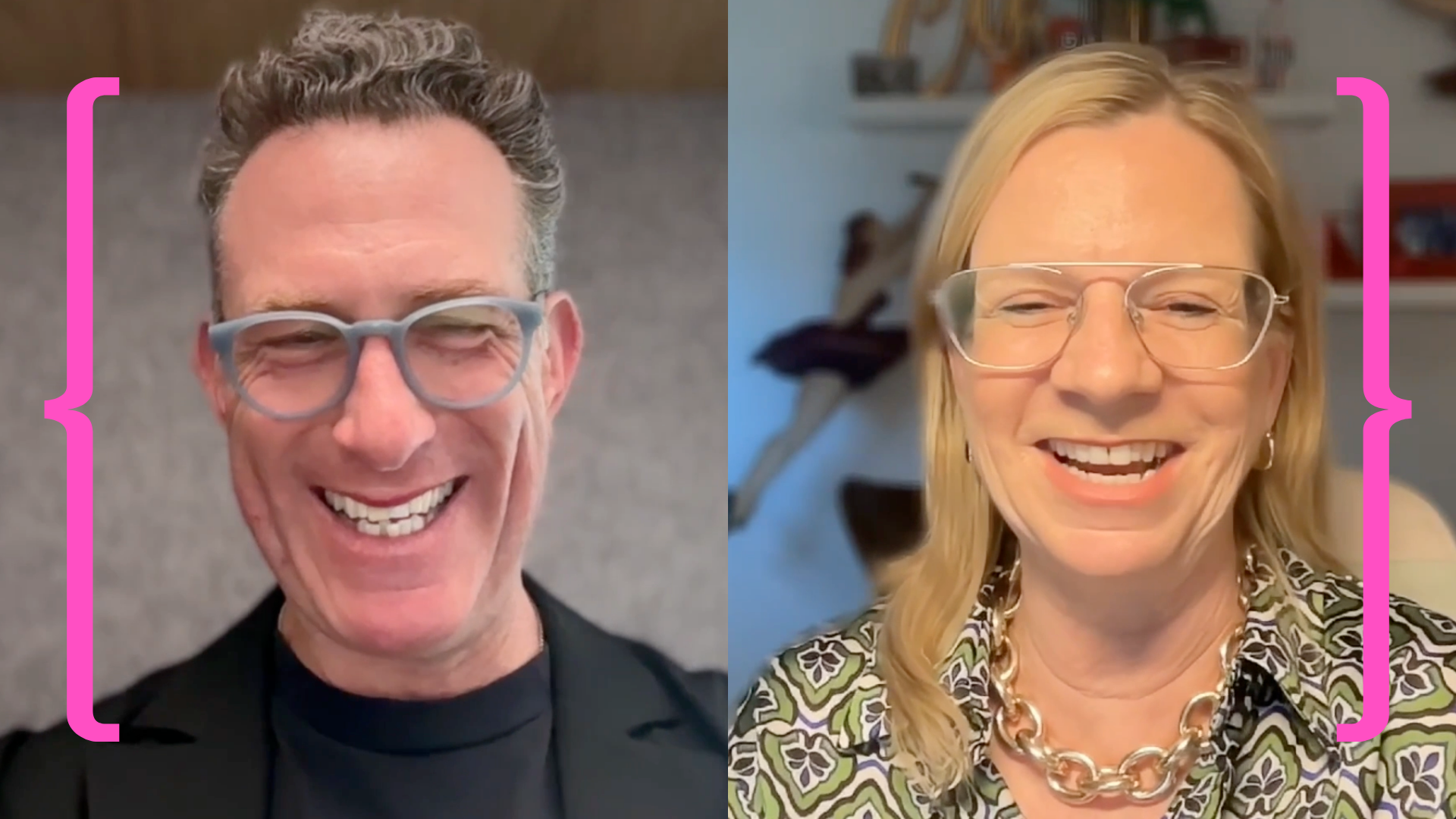
David Schwarz, co-founder and creative director of HUSH, gave me one of the clearest articulations of this I’ve heard in a long time. The standard deliverables of design practice—the plans, the renderings, the specifications—have no capacity to describe what a space actually feels like to be in. They describe the walls, not what happens between them. And yet that feeling is often the entire point of the work.
Less of a lightning strike and more of a warm bath.
He draws a distinction between spaces that are visited and spaces that are inhabited — between the one-time spectacle and the quiet ritual that accumulates meaning over years. A philosophy of endurance over impact. Fewer lightning strikes, more warm baths.
Aki Carpenter, whose work building the National Museum of African American History and Culture and the forthcoming Obama Presidential Center represents some of the most significant exhibition design of our time, echoed this directly: not every project needs a wow moment. Restraint is sometimes the most powerful design move. In my heart, the designers I most respect have learned to hold that line—because the quieter moments, the transitions, the pauses between stories, are the ones people actually carry with them.
Space is a physical construct. Place is emotional.
That distinction—the moment a space becomes a place—is invisible on a floor plan, and it is what design is actually for. For Cheryl Durst, Hon. FIIDA, Executive Vice President and CEO of IIDA, it also carries moral weight: design is intrinsically connected to dignity. The spaces people move through, work in, and receive care in send a message about their worth. Affordable doesn’t have to mean less than. A well-designed public housing development, a thoughtful emergency room, a public building that genuinely says you are welcome here—these are not luxuries. They are what it looks like when design takes its responsibilities seriously.
What Endures
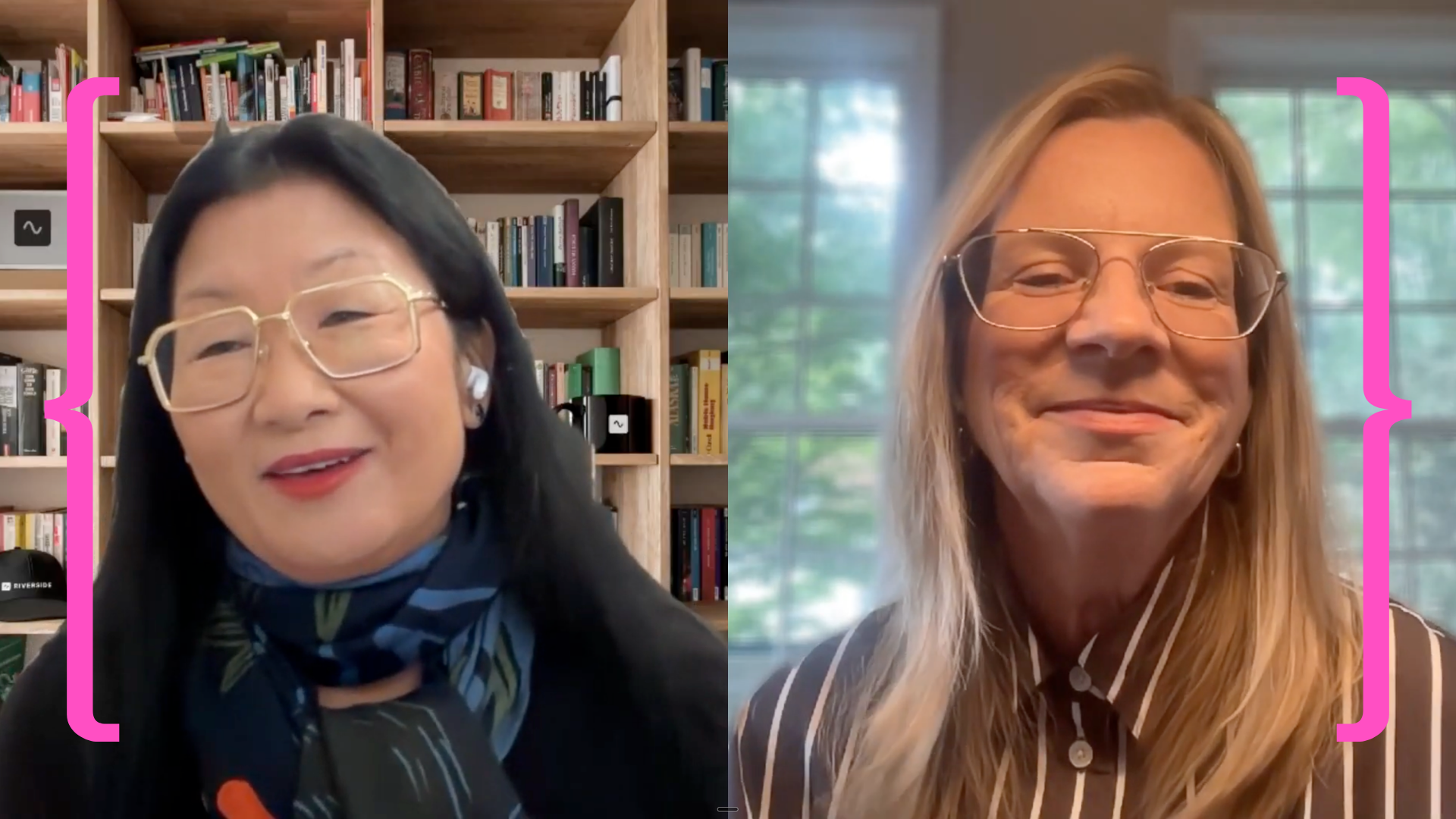
Joanne Chan, CEO of Turner Duckworth, brought this same philosophy to the world of brand design—and her connection to the theme of the spaces in between was immediate. For Joanne, those spaces are the emotional gaps where brands either earn lasting connection or lose it entirely.
The most powerful design is not primarily visual. It is the feeling a brand leaves behind. The recognition that hits before conscious thought. The nostalgia triggered by a logo that has been part of someone’s life since childhood. When design works at its best, it doesn’t just communicate — it becomes part of the texture of a life. That emotional architecture, built over time through design systems that are both foundational and flexible, is where longevity lives. It cannot be shortcut. And it cannot be faked.
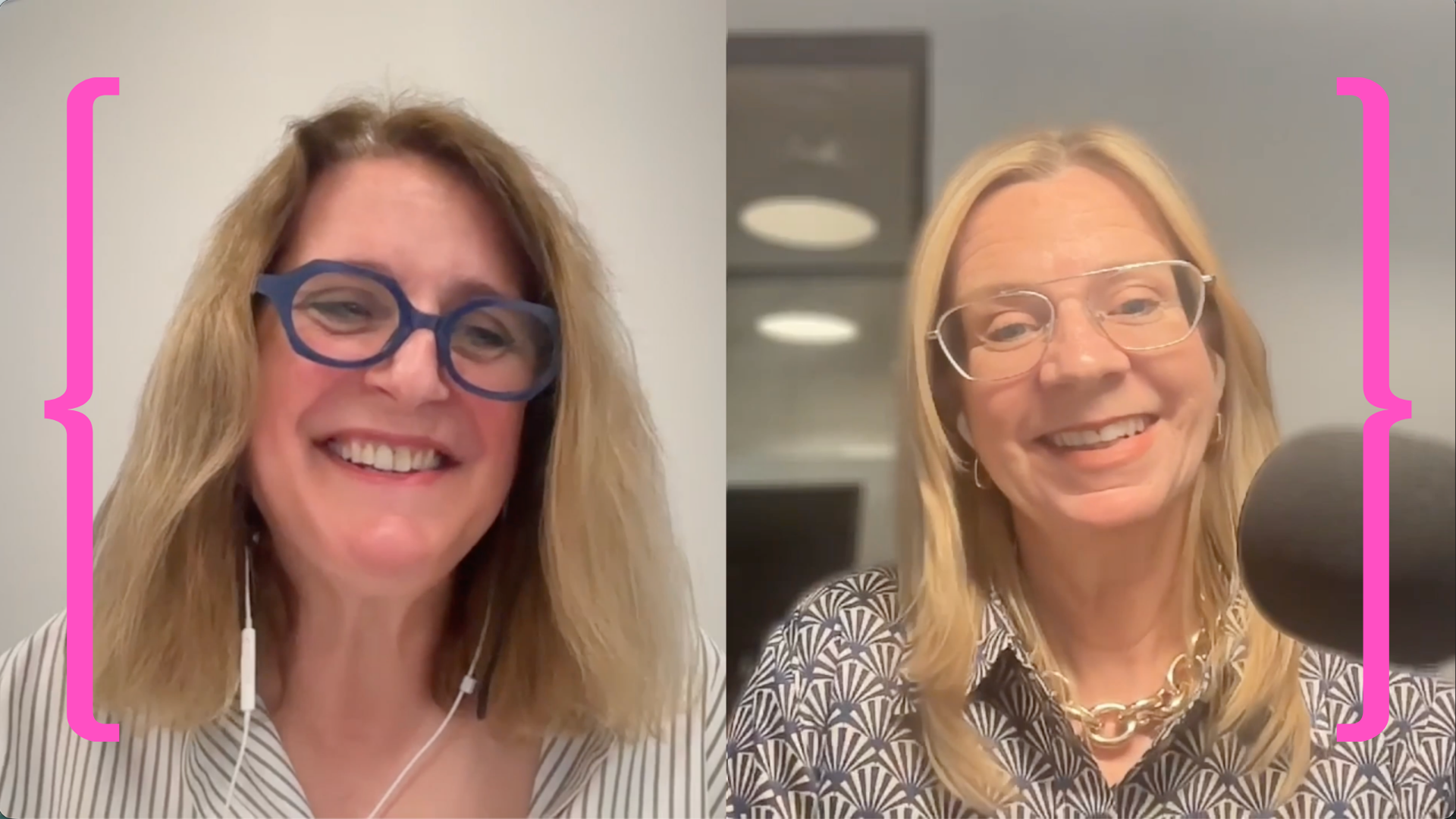
Llisa Demetrios, Chief Curator of the Eames Institute of Infinite Curiosity and granddaughter of Charles and Ray Eames, carries perhaps the most living proof of this in the entire design world. Talking with her felt like a conversation across generations—because in a very real sense, it was.
What Charles and Ray understood, and what Llisa is now building institutional infrastructure to carry forward, is that curiosity is not a personality trait. It is a design methodology. The willingness to follow a question wherever it leads—across disciplines, across scales, across the expected limits of a brief—is what produced the Eames Chair, the Case Study Houses, the films, and the ideas still shaping how we think about design today. They weren’t designing objects. They were designing ways of seeing.
Curiosity is the foundation. It’s what keeps you from arriving at the answer before you’ve asked the right question.
Llisa is building the Eames Institute not just as an archive but as a living resource for the future of the field. The stories inside that collection—the prototypes, the failures, the leaps of imagination—are not history. They are a model for how designers today can approach their work: with rigor, with play, and with the conviction that if you follow curiosity deeply enough, you will arrive somewhere that matters.
Design’s Purpose Is Human. Full Stop.
This was the strongest thread of the day, and it came from every direction.
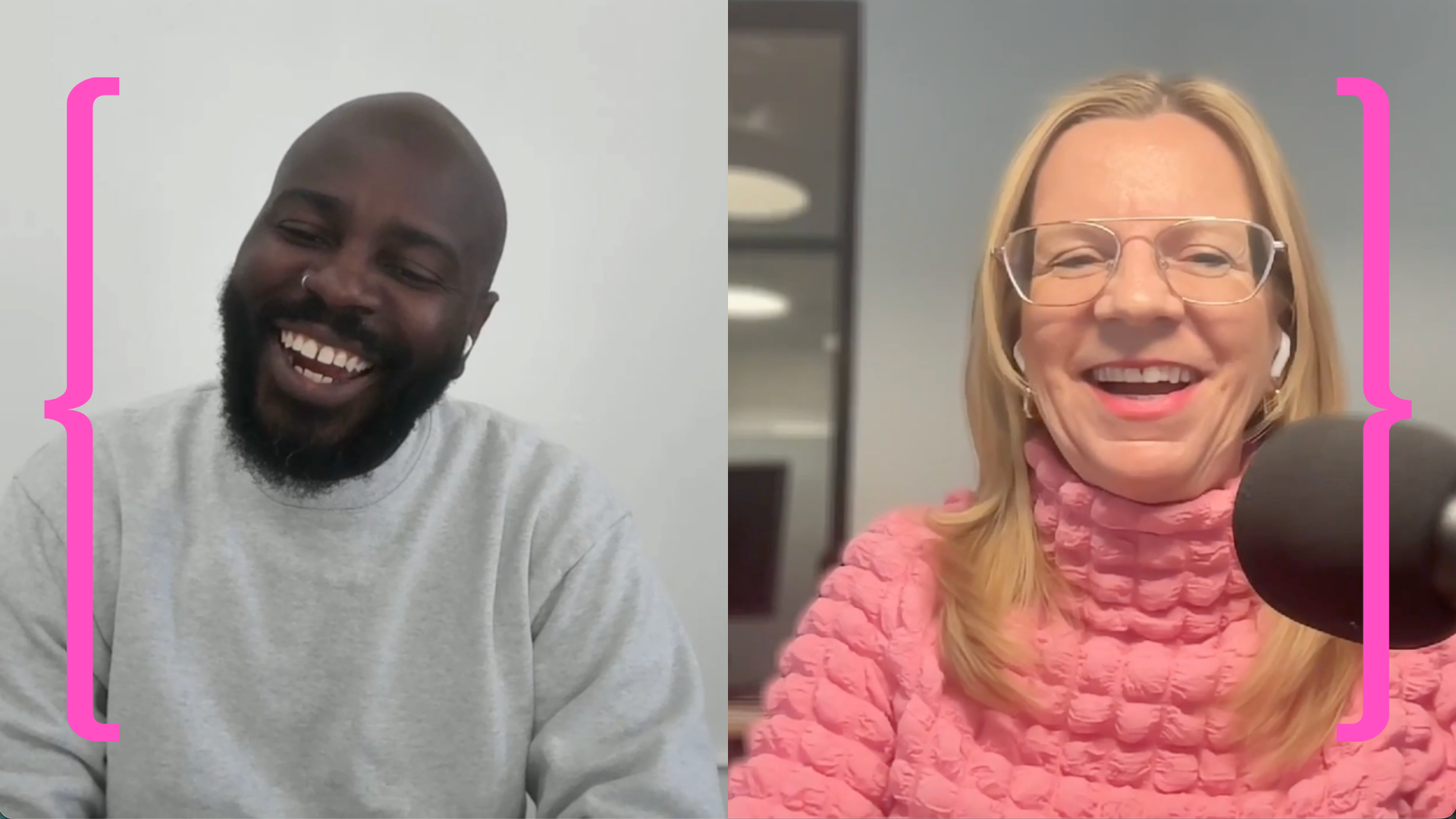
Nu Goteh, founder and principal of Room for Magic and co-founder of Deem Journal—one of the most important design publications of our time, centered on design as a social practice—spoke about design as something that operates simultaneously as a reflection of society and as an intervention in it. Not just holding up a mirror, but finding the openings where new paradigms can emerge.
For Nu, the spaces in between are where those openings live—the overlapping stories, the contradictions, the tensions that most designers try to resolve but that he argues are exactly where the most interesting and necessary work happens. He also made the case that design’s next frontier is policy: getting the prototypes that designers and communities build together ingested into the systems that actually allocate resources and shape how people live.
When I asked him when design truly delivers, his answer was immediate: when it disappears. He is designing for a world worthy of his daughter, who, at four years old, is, by all accounts, already fully in charge.
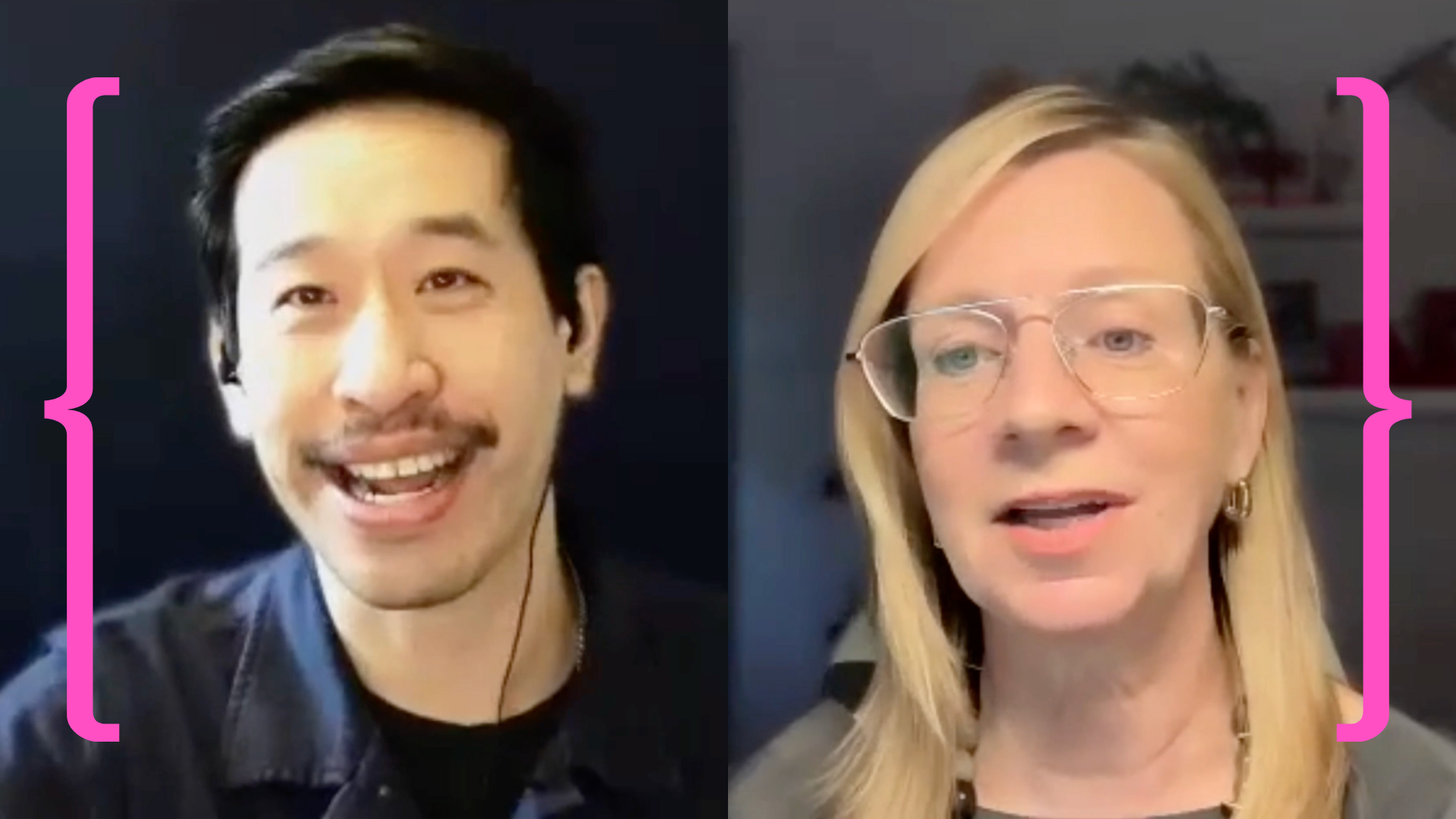
Lee-Sean Huang, co-executive director of AIGA and founder of Foossa, brought radical empathy into the conversation—not as a soft concept but as a rigorous practice. For Lee-Sean, empathy in design is not a feeling. It is a methodology. It requires immersing yourself deeply enough in the communities you serve that the work reflects their experiences rather than your assumptions about them. It means showing up before the brief exists. It means listening far more than you talk.
He introduced the concept of an engagement ladder—the idea that belonging doesn’t arrive fully formed; it has to be built incrementally. Real inclusion means creating genuine pathways for people to move from participants to contributors to leaders. Not inviting people in and calling it done, but building the infrastructure that allows them to go deeper, take ownership, and ultimately shape the direction of the work itself.
What struck me most about Lee-Sean is that he holds this not just as a design philosophy but as a personal one. He has spent his career working across boardrooms and communities in crisis, and what he has learned is that the spaces in between—the preparation, the listening, the relationship built before anything is made—are where the real design happens. The artifact is almost beside the point.
Carole Wedge, FAIA, CEO of AIA, the American Institute of Architects, spoke about design’s civic responsibility with the authority of someone who spent four decades building spaces where communities come together—beginning, as she will tell you, in the mailroom at Shepley Bulfinch. Her vision for AIA’s reimagined Washington, D.C. headquarters is not primarily architectural. It is relational. A coffee shop open to the street. Preschoolers learning about architecture in the lobby. Every eighth grader who visits Washington gets a chance to ask: “Who made this city, and how?”
Design fails when it doesn’t consider the people. Design delivers when it embraces the community.
Making Things Real: Design in an Uncertain World
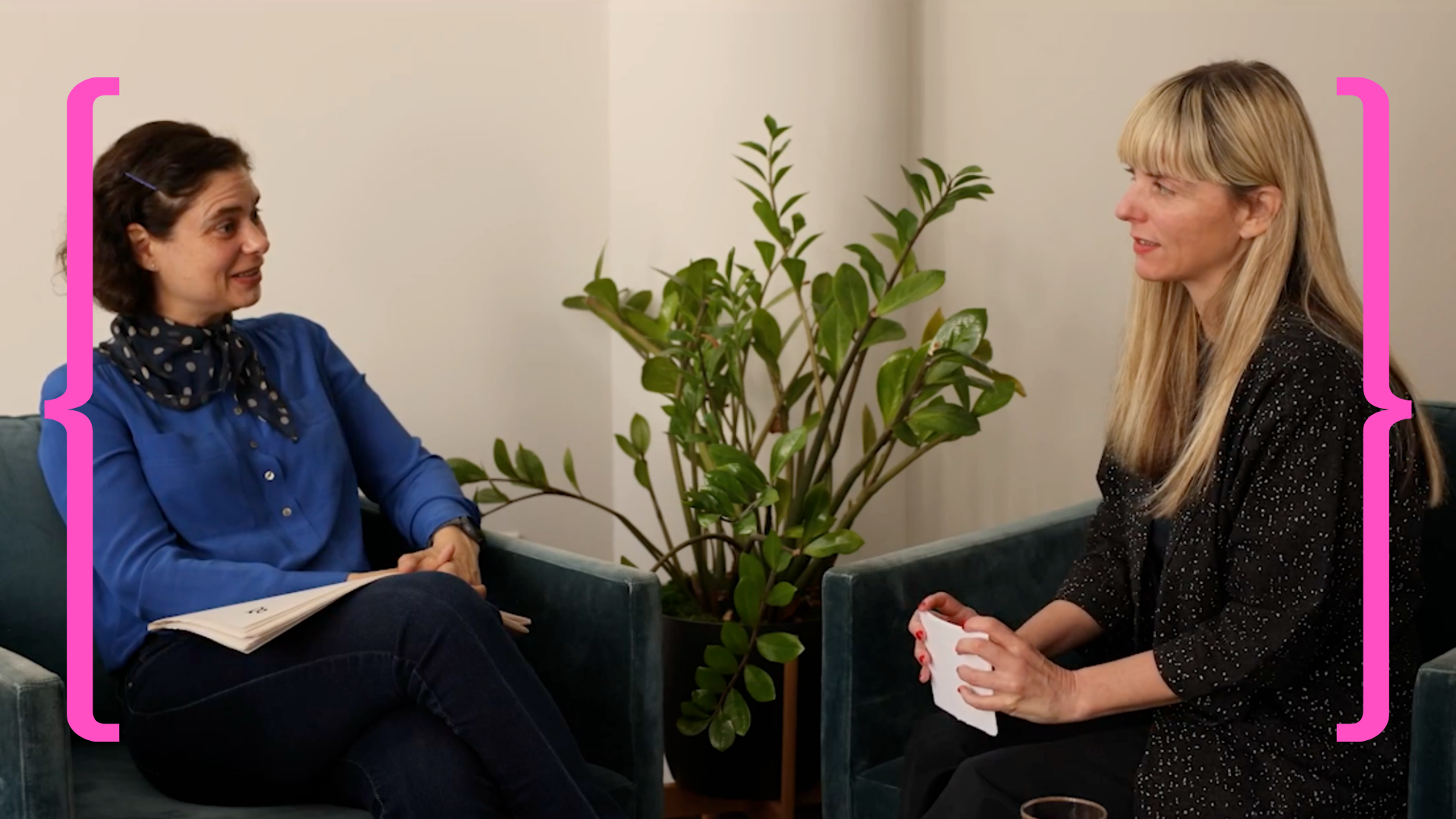
Sue Walsh, Principal of Design at SYPartners and faculty at SVA, was in conversation with Ashley Lukasik, founder and principal of Murmur Ring, for one of the most searching discussions of the day. Sue’s Now and Next—a printed newspaper built around three movements: the feelings, the facts, and the potential—is one of the most striking design artifacts I’ve seen in years. Its central finding: the most universal emotion in America right now, across all political and geographic lines, is hopelessness. Its central argument: designers have both the capacity and the responsibility to imagine their way past it.
Making is the most useful thing we can do — for ourselves, for our clients, for communities, and ultimately for the world.
They talked about what it means to make things tangible in a moment when so much feels abstract and beyond reach—how AI can generate any content, any form, any code, but cannot create belief. And about the erosion of the spaces in between: the walk from meeting to meeting, the conversation by the coffee machine, the side-by-side experience of being somewhere with other people. We are place-based people, Sue said. We just are.
Ashley, whose work at Murmur Ring centers on immersive experiences and collective alignment, made the case that design’s next great opportunity is not efficiency, but rather the creation of conditions. Conditions where people can encounter one another directly and arrive at their own insights. In a world moving faster than human beings can evolve, the most radical thing design can do is slow down and make something real.
Reading the Room: What We Owe the Next Generation
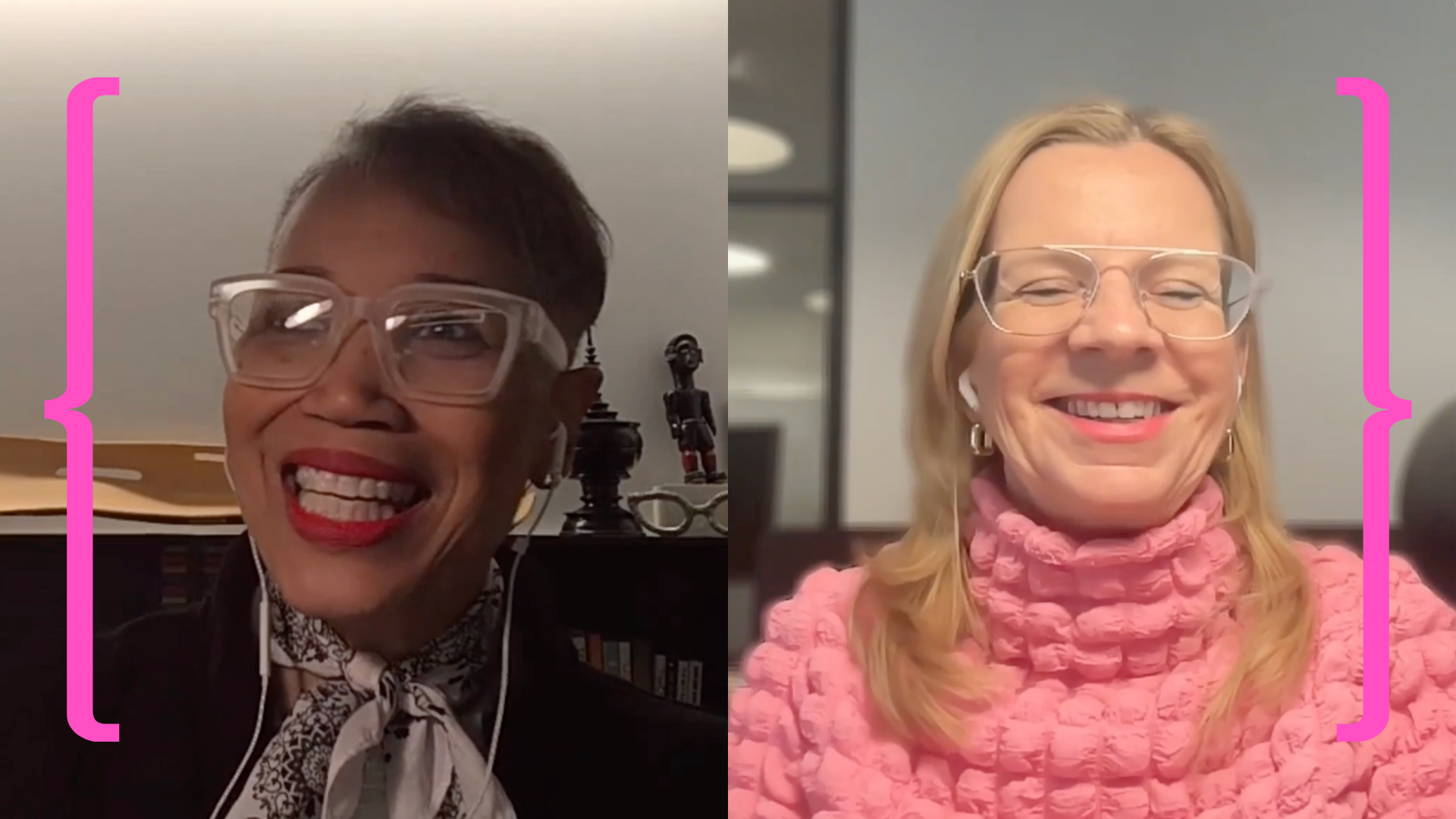
Two of the leaders I spoke with—Carole Wedge and Cheryl Durst—arrived at the same phrase from completely different directions: reading the room.
Carole talked about learning it the way most of us who really learned it actually did: by being taken to meetings by the people we worked for. Watching. And then, on the drive home, being asked: ” Did you notice what happened when so-and-so proposed that?” She left Shepley Bulfinch after 37 years and said one of her biggest regrets was not taking more young people with her to those meetings in those final years.
The generosity of inviting someone along is something I’ll practice more.
That is my story too. My boss took me everywhere. I was often the youngest person in the room and sometimes the most out of my depth, and I just watched. How someone used humor to break the tension. How someone else held a room through stillness. How do you figure out, over time, not just what works but what is actually you? Cheryl Durst framed reading the room as the intangible skill she most wishes design school taught—not aesthetics, but subtext. The unspoken thing that shifts everything. And she is right that you cannot learn it on a screen alone. Both she and Carole are saying something I believe deeply—we risk losing something irreplaceable when emerging designers spend their formative years fully remote. This is not a technology problem. It is a mentorship problem. And we can solve it—if we are willing to take someone along.
I came away with a new personal commitment for this year: take someone with you. It costs nothing. It changes everything.
Design Is a Global Conversation
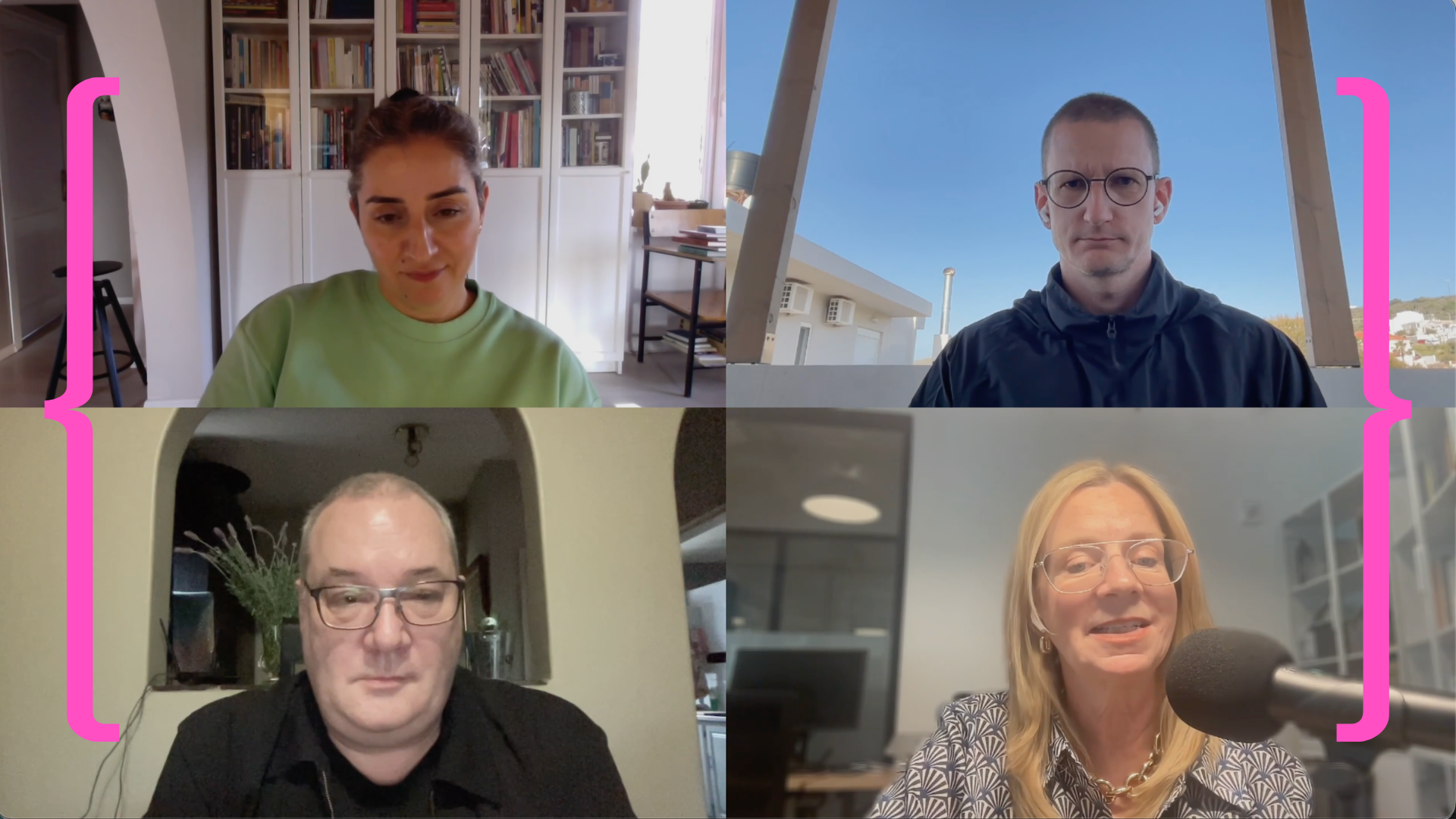
Jacques Lange, former president of ICoD (then Icograda) and a practicing designer and educator in Pretoria, South Africa, for over four decades, reminded me that this conversation about design’s purpose is happening everywhere. He spoke about designing South Africa’s new national coat of arms at the intersection of European heraldry and African visual language, about World Design Day as an entry point for communities that had never had access to the global design table, and about a conviction he has carried throughout his career: you cannot judge design without understanding the complexity of the culture it comes from. There is not a country he has visited where he was not impressed by the design he found there.
Melike Taşcıoğlu Vaughan, president of ICoD, spoke about their dual mandate—inward, to help designers recommit to why they organize and build community; outward, to reach the policymakers, businesses, and citizens who are having conversations about the future without realizing those conversations are fundamentally design conversations. Her hope for International Design Day is enormous in its simplicity: that someone, somewhere, stops and asks what role design plays in my life.
Jonas Liugaila, treasurer of ICoD, described how Lithuania became the first country to host International Design Day as a full festival—transforming what had been a single social media post into a multi-day celebration across every design discipline, with the general public invited in through food design, experience design, and events that made the field joyful and accessible. That is what happens when you stop centralizing and start trusting your community to lead.
If I Am Awake, I Am a Collaborator
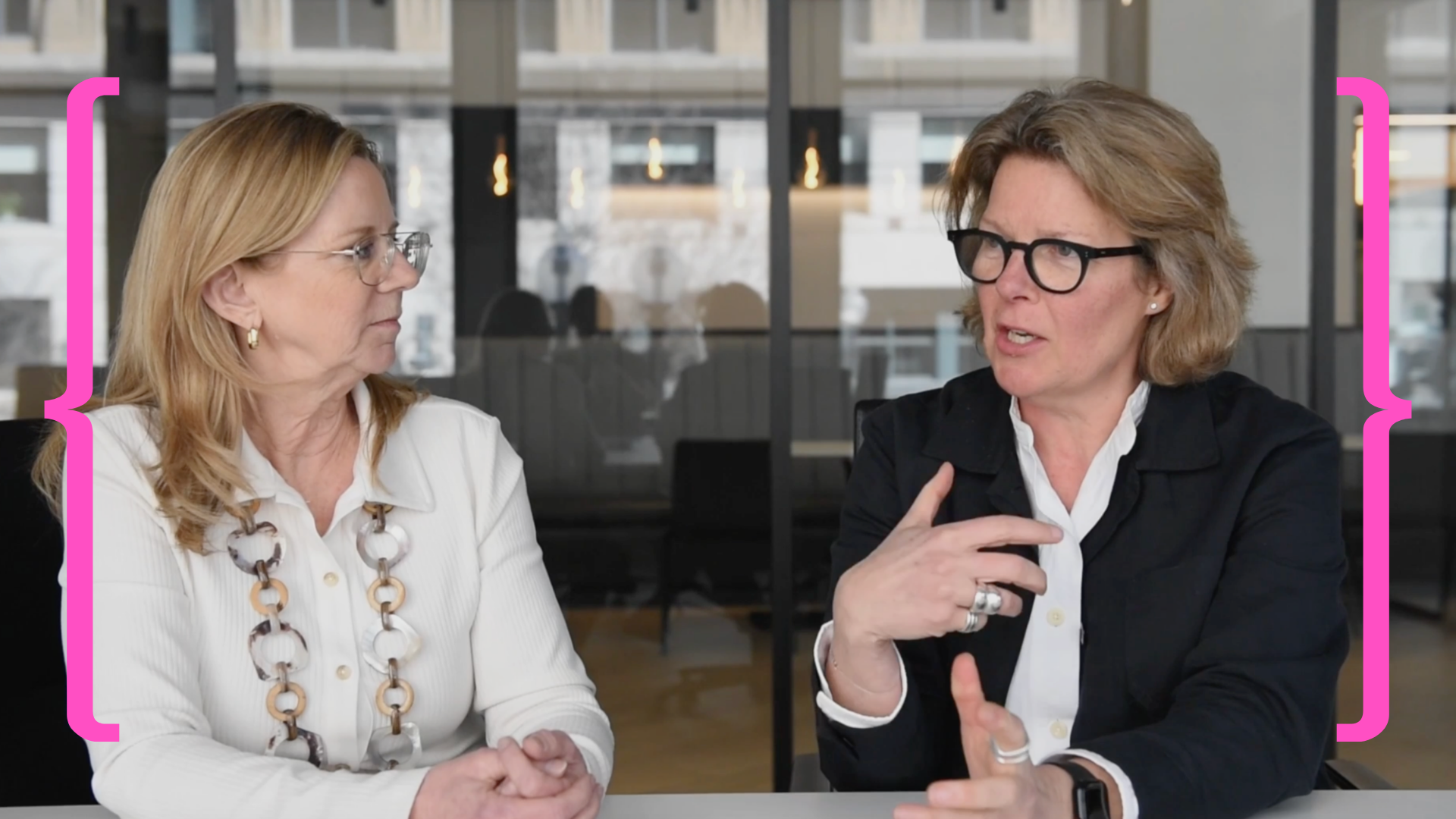
Lucy Holmes, founder and director of Holmes Studio, whose work lives at the intersection of design, events, and human experience, said something I keep returning to: “If I am awake, I am a collaborator.” Not collaboration as a method. Collaboration as a way of being. The recognition that the work is always happening—in the conversation before the brief, in the relationship built over years, in the pause between a question and an answer.
Design is not just about doing great work. It is about building a work life that works with life. Not one sacrificed for the other. Both, by design.
That is not a soft idea. It is a leadership philosophy. And it showed up across the day in ways I found genuinely moving—in David Schwarz’s weekly creative jams, in Aki Carpenter’s time in nature between cities, in Sue Walsh’s 4 a.m. runs before the world asks anything of her, in Llisa Demetrios building an institution designed to keep curiosity alive not just for now but for generations. These are not peripheral choices. They are design decisions about how we sustain the capacity to do work that matters over the long arc of a career.
What Gives You Hope
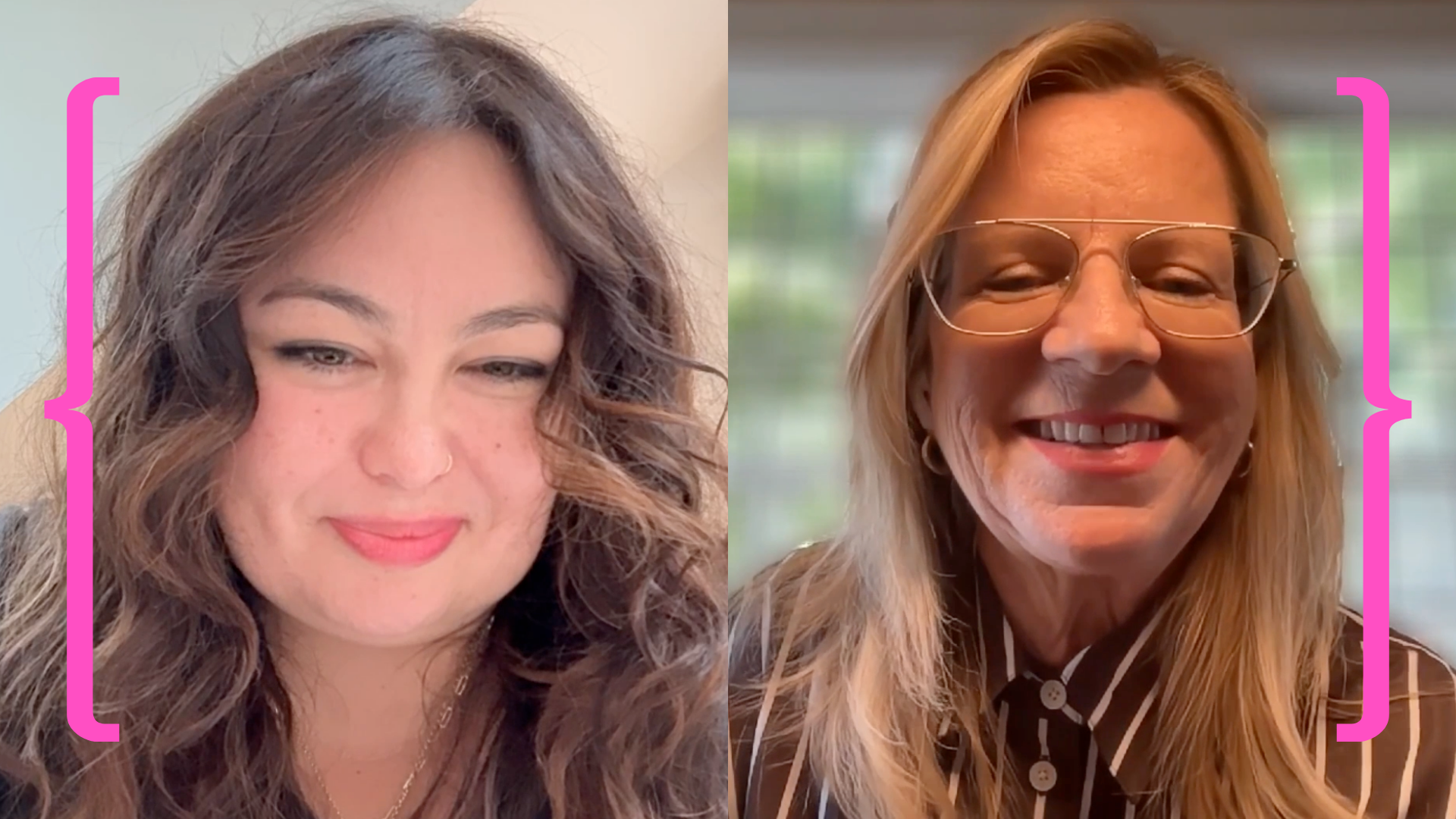
I asked every guest the same question at the end of our conversation: What gives you hope? Not just optimism for the industry. Real hope. Something seen, felt, or made that tells you design is capable of what this moment is asking of it.
Their answers were different, yet the same.
Lee-Sean Huang talked about the community leaders who show up without being asked—who volunteer their time and skills to build connection in places that need it most. Jacques Lange spoke about design’s consistent ability, across six decades of ICoD history, to bridge what politics cannot. Melike Taşcıoğlu Vaughan rang the original bell from ICoD’s first assembly in 1963—the physical object that marked the moment design claimed a global seat at the table—and said she hopes that sound still resonates.
Aki Carpenter said her hope comes from her colleagues—from watching people in this community take the current moment seriously, being thoughtful not just about what they make but how they make it and who makes it with them. The design field at its best, she said, really rises to the moment.
Cheryl Durst said designers are inherently optimists. We work toward preferred futures. We believe in the possibility that our outputs can make things better. She is leaning hard into joy at IIDA—programming, conversations, and a new Certified Design Futurist curriculum built around the conviction that resilience and hope are not opposites of rigor. They are its highest expression.
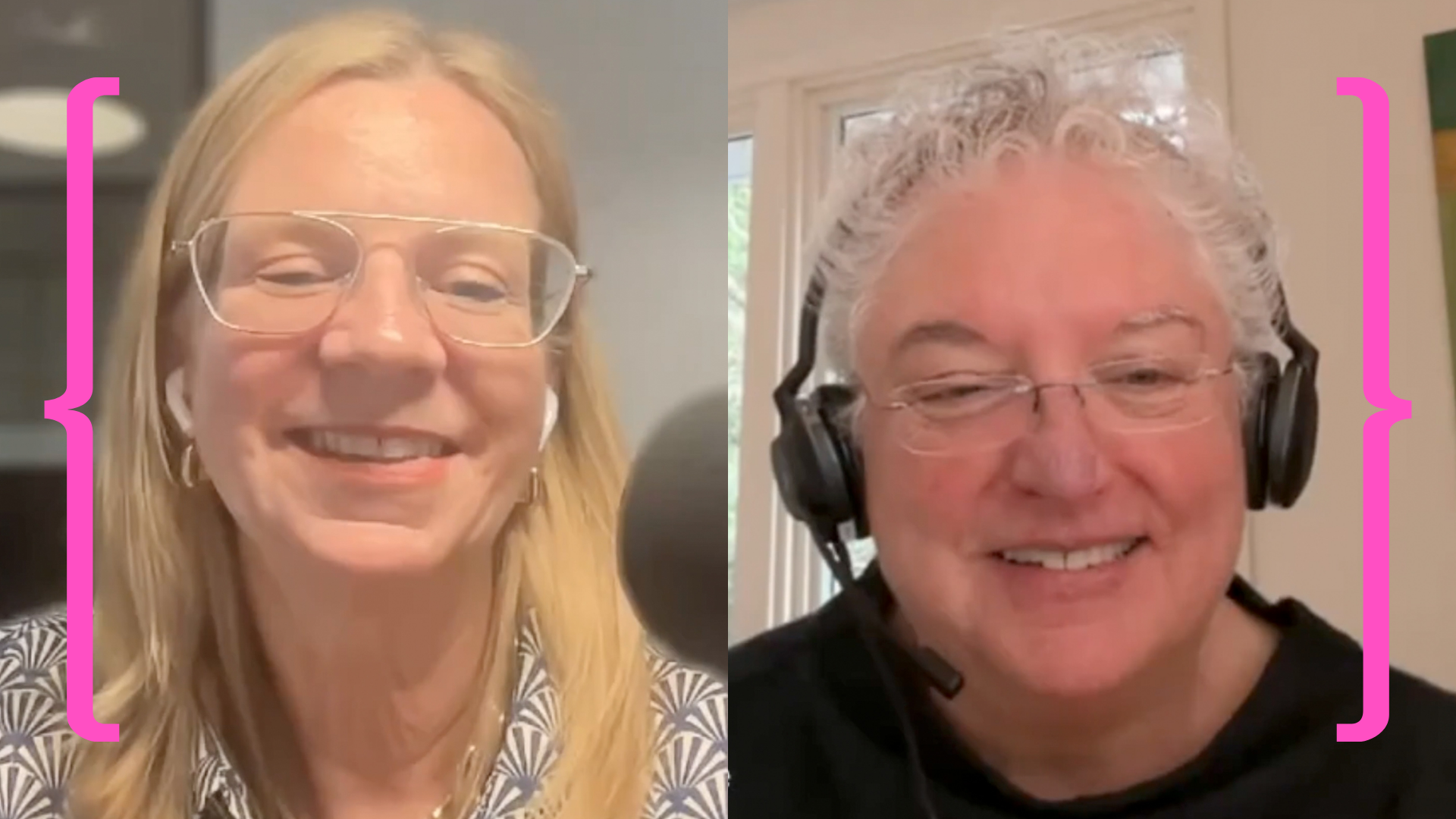
Carole Wedge described preschoolers from across the street coming to the new AIA headquarters to read books about architecture, sitting on carefully arranged furniture with Legos, snacks, and balloons, beginning to inhabit a space designed for exactly that. It started to feel really great, she said. That is enough. That is everything.
Hope is what keeps the train moving.
Sue Walsh’s hope came from a text exchange with a colleague and friend who was dying of cancer, a man to whom Now and Next is dedicated. Near the end of his life, he texted her those words. He knew he was going to die. And he still had hope—not for the same things he had hoped for before, but for a good day with his daughter, for a blue sky, for the beauty that was still everywhere around him if he looked. What a gift to share, Sue said. And she is right. It is.
Llisa Demetrios spoke about curiosity itself as a form of hope. The act of following a question without knowing where it leads. The foresight her grandparents had not because they predicted the future, but because they paid close enough attention to the present to understand what people would always need. That practice—of really looking, really listening, really caring about what a human being needs from a chair, from a film, from a room—is available to every designer, in every discipline, at every scale.
And Ashley Lukasik, who has spent more than a decade designing immersive experiences that help people find collective alignment and agency, said what I think all of us feel when we are doing this work at its best: we cannot let the world tell us what to think and what to believe and how to feel. We have to create the things that help people experience the world differently.
That is the north star. That is why we do this.
Watch the Full Series
These eleven conversations are among the most honest, most generous, and most necessary I have been part of in my career. Taken together, they are a document of what design leadership believes right now—in this moment, in this world, with all of its uncertainty and all of its possibility.
I hope you will watch them. Share them. Use them in your classrooms, your studios, your organizations. Show them to people who don’t think of themselves as designers and let them see that every conversation about how we live together, how we take care of each other, how we build places that hold us, is a design conversation.
All 11 conversations from International Design Day 2026 are now available on the SEGD YouTube channel. Subscribe so you don’t miss them.
Thank you to every guest who brought their thinking and their honesty to this day. Thank you to ICoD — to Jacques, Melike, and Jonas — for trusting me with this hosting role and for six decades of building the global infrastructure that makes a conversation like this possible. And thank you to the SEGD community, our board, and everyone who helped shape this theme and bring it to life.
The spaces in between are not gaps. They are where the real work happens. The threshold. The transition. The moment someone turns to a stranger and feels, suddenly, less alone. That is what we are designing for. That is what we have always been designing for. And that, more than anything, is what gives me hope.
Cybelle Jones is CEO of SEGD, the Society for Experiential Graphic Design. International Design Day 2026 was hosted globally by SEGD in partnership with the International Council of Design (ICoD). All eleven conversations are available on the SEGD YouTube channel.
Guests: Aki Carpenter, RAA Vice President, Chief Creative Officer / President, SEGD Board of Directors — Joanne Chan, Global CEO, Turner Duckworth — Llisa Demetrios, Co-Founder & Lucia Eames Chief Curator, Eames Institute of Infinite Curiosity — Cheryl Durst, Honorary FIIDA, Executive Vice President and CEO, IIDA — Nu Goteh, Founder Room for Magic and DEEM Journal— Lucy Holmes, Founder and Creative Director, Holmes Studio — Lee-Sean Huang, Co-Executive Director Learning + Programs, AIGA / Founder, Foossa — Jacques Lange, former President, International Council of Design / Partner Bluprint Design — Jonas Liugaila, Treasurer, International Council of Design / Partner The Critical — Ashley Lukasik, Founder and CEO, Murmur Ring — David Schwarz, Founding Partner, HUSH — Melike Taşcıoğlu Vaughan, President, International Council of Design — Sue Walsh, Principal, Design, SYPartners / Faculty, SVA — Carole Wedge, FAIA NOMA LEEP AP, EVP / CEO The American Institute of Architects (AIA).
#SpacesInBetween #IDD2026 #InternationalDesignDay #SEGD #DesignLeadership
People also viewed…
-
International Design Day 2026
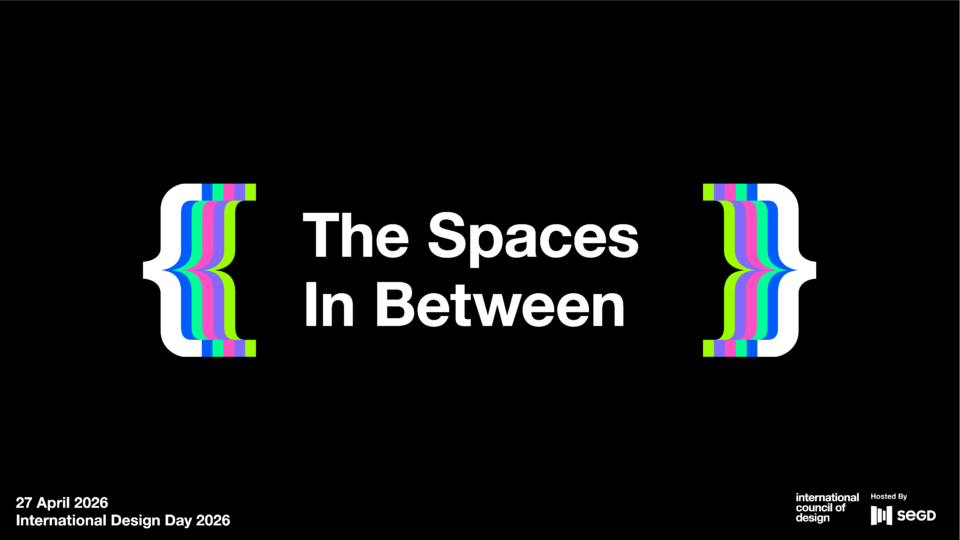
International Design Day 2026
-
The Spaces In Between: Eleven Conversations for International Design Day 2026
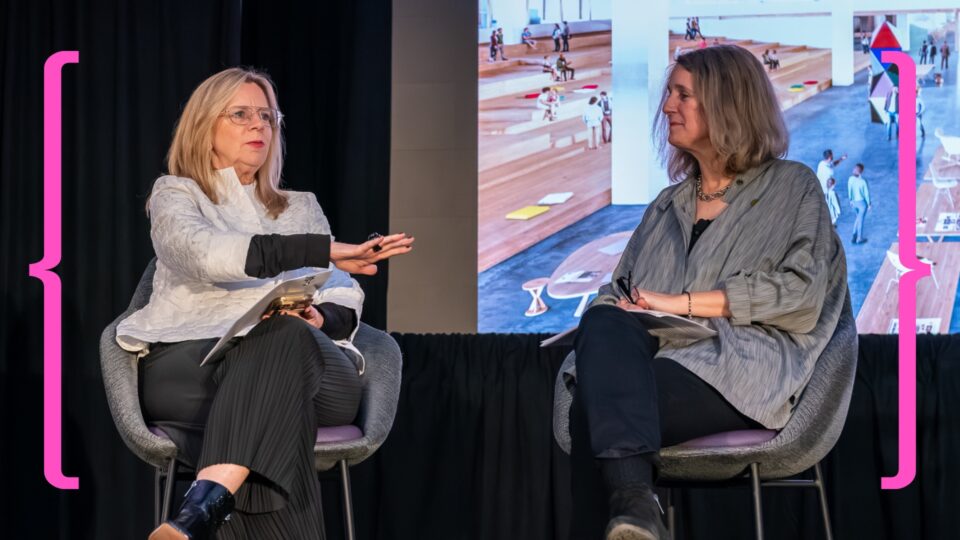
The Spaces In Between: Eleven Conversations for International Design Day 2026
-
SEGD Chapters Celebrate International Design Day 2026
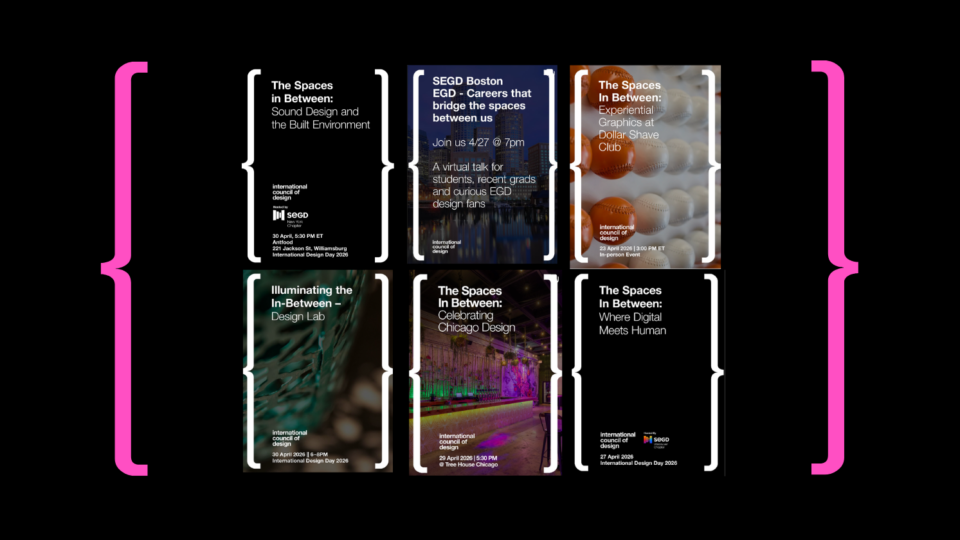
SEGD Chapters Celebrate International Design Day 2026