SEGD and Coalition Partners Win Court Order Blocking Censorship at National Parks
A federal court has ordered the restoration of censored content in America’s national parks. Learn how SEGD and coalition partners helped uphold the integrity of public interpretation, storytelling, and design.
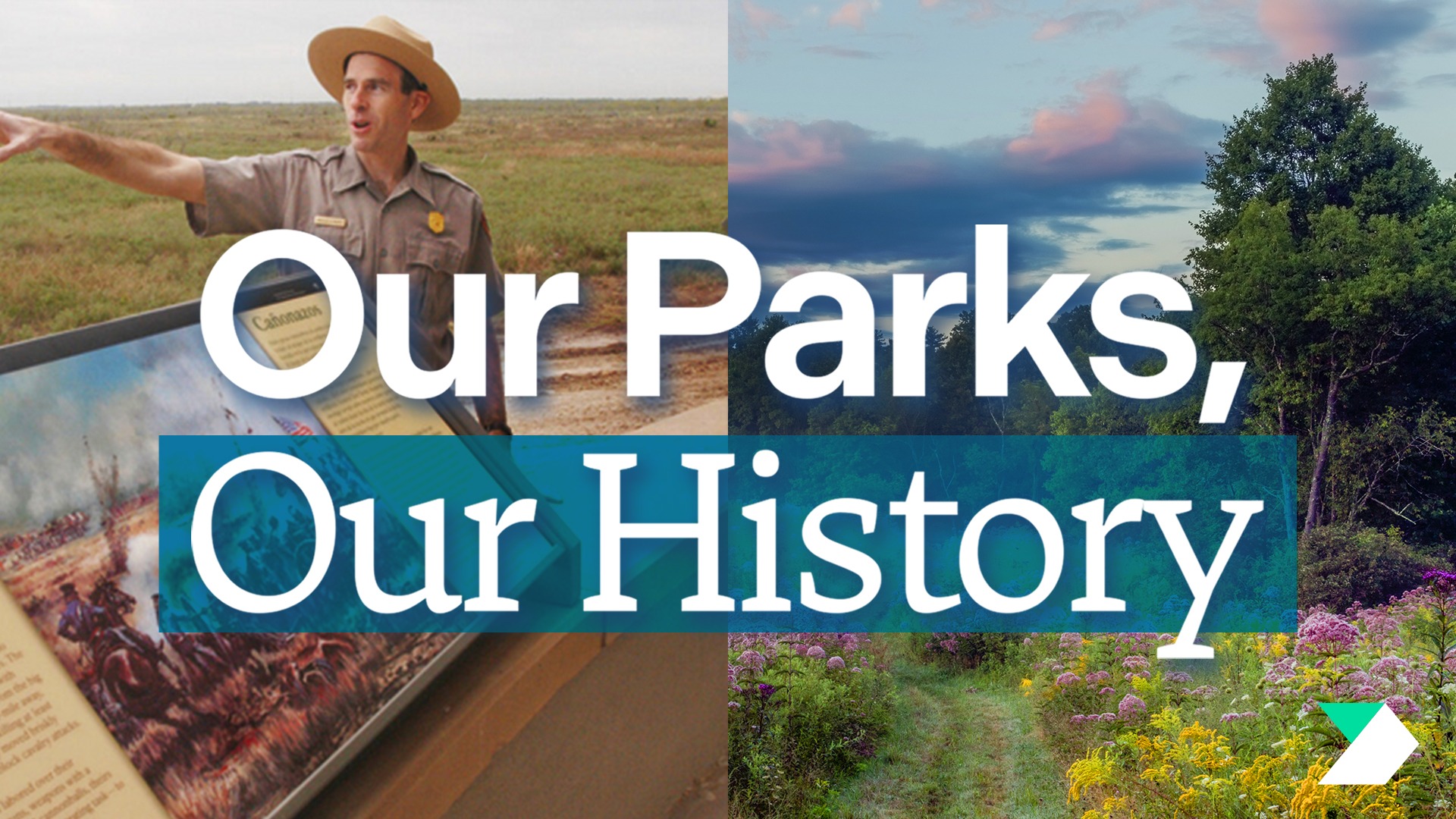
On June 12, a federal judge in Massachusetts ordered the Department of the Interior to stop censoring historically and scientifically accurate content at national park sites and to restore everything that’s been altered or removed since May 2025, all within three weeks.
SEGD was one of six organizations behind the case, alongside the National Parks Conservation Association, the American Association for State and Local History, the Association of National Park Rangers, the Coalition to Protect America’s National Parks, and the Union of Concerned Scientists. The coalition sued after a May 2025 Secretarial Order set off a sweeping campaign to pull signage, exhibits, films, and interpretive media that didn’t fit a narrower, government-approved version of American history. The court found that the campaign almost certainly violates the laws governing how national parks must tell their stories.
What stood out for our community specifically was how the order describes in detail how interpretive materials actually get made: a multi-year process built on input from historians, scientists, community advocates, educators, interpretive specialists, experiential graphic designers, and accessibility experts. Quoting the coalition’s own filings, the court noted that the process exists toward “design excellence and producing materials that are accessible and captivating for the audience.” The order also recognized that the designers and specialists who’ve built careers on this work have real reliance interests at stake, meaning the harm of erasing it isn’t abstract. It’s professional, and it’s personal.
SEGD CEO Cybelle Jones said it well in our statement following the ruling:
SEGD members design the experiences that help people connect with America's national parks: the exhibits, wayfinding, and interpretive displays that turn a visit into understanding. Our profession exists to communicate truth clearly and accessibly. When that truth is censored, it's not just history that's erased, it's the public's ability to see themselves in the full story of this country. We're proud to stand with this coalition to ensure our national parks remain places of honest learning for the 250th anniversary and beyond.
The government now has until July 3 to restore what’s been taken down and must report its progress to the court weekly. The broader case continues, but for now, the ruling blocks any further implementation of the censorship order while it’s litigated. For a profession built on communicating truth clearly, it’s a meaningful affirmation: design integrity isn’t decoration. It’s infrastructure for public memory.
In the days since the ruling, this story has gained international media attention, which is a meaningful moment for an organization our size. We’re proud of that, but we’re even prouder of what it represents: a profession most people have never heard of, standing alongside historians and scientists in federal court to support the integrity of work that shapes how millions of people understand their own history. SEGD helped elevate the role of experiential graphic design in ensuring that America’s national parks, interpretive centers, museums, and cultural landmarks remain places of learning, discovery, and access to the full complexity of our shared story.
This outcome would not have been possible without the partnership of the coalition organizations or the legal team at Democracy Forward, which represented all six plaintiffs throughout the case. And to the many members of the SEGD community who reached out with messages of support this week: thank you. It means a great deal to hear from you at a moment like this.
The ruling has been covered by outlets including the Washington Post, the New York Times, the LA Times, CNN, Reuters, the Guardian, and The Daily Beast, among many others.
People also viewed
-
Coalition Acts to Protect History, Science, and Interpretive Integrity in Our National Parks
Coalition Acts to Protect History, Science, and Interpretive Integrity in Our National Parks
-
Guardians of Memory: Designers Respond to Censorship
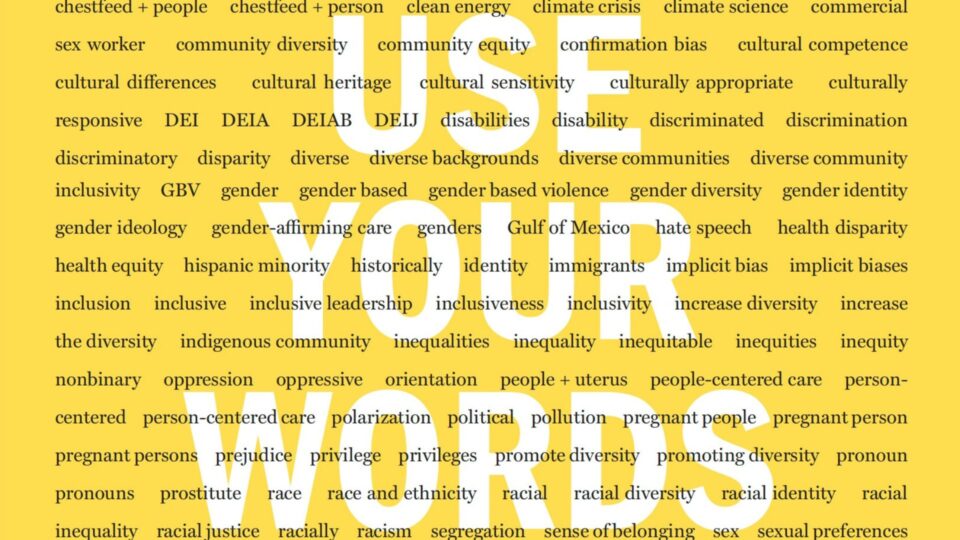
Guardians of Memory: Designers Respond to Censorship
-
When Public Memory Is Under Threat, Designers Must Lead
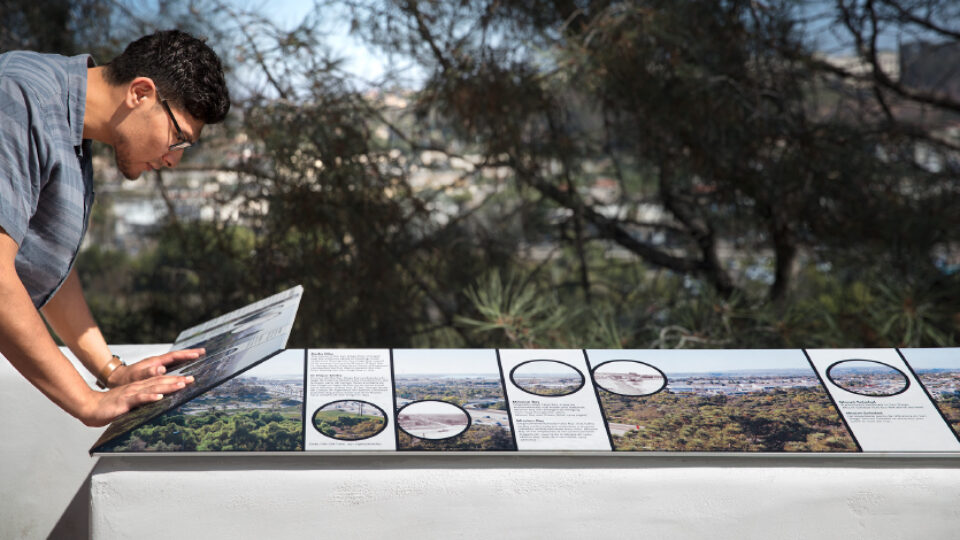
When Public Memory Is Under Threat, Designers Must Lead