2026 SEGD Fellow: Jonathan Jackson
Jonathan Jackson, co-founder and Creative Director of WSDIA (WeShouldDoItAll), has been named a 2026 SEGD Fellow—honored for his lasting contributions to multidisciplinary experiential design. He received his recognition at the 2026 SEGD Conference Experience Kansas City on Saturday, October 24.

At age ten, Jonathan Jackson had a stack of loose-leaf sketches of Nike shoes he wanted his mother to send to the company. She didn’t realize designing shoes was a real profession, but she knew of architects. She asked if he’d heard of Frank Lloyd Wright, Mies van der Rohe, and Le Corbusier, bought him books, and told him he might want to be an architect. By thirteen, Jackson knew he wanted to study architecture, and he credits his single mother with opening a door most parents wouldn’t have known existed.
That early exposure to architecture, paired with a growing pull toward graphic design, became the foundation of WSDIA, the studio Jackson co-founded with Sarah Nelson Jackson after the two met while she was finishing her degree in graphic design at Boston University. The name, short for “WeShouldDoItAll,” reflects the studio’s founding belief that a person, and a practice, should be capable of many things at once. WSDIA moves fluidly between typography, brand systems, exhibitions, and spatial design, treating graphic identity not as a finishing layer but as something that can shape how a space feels and moves.
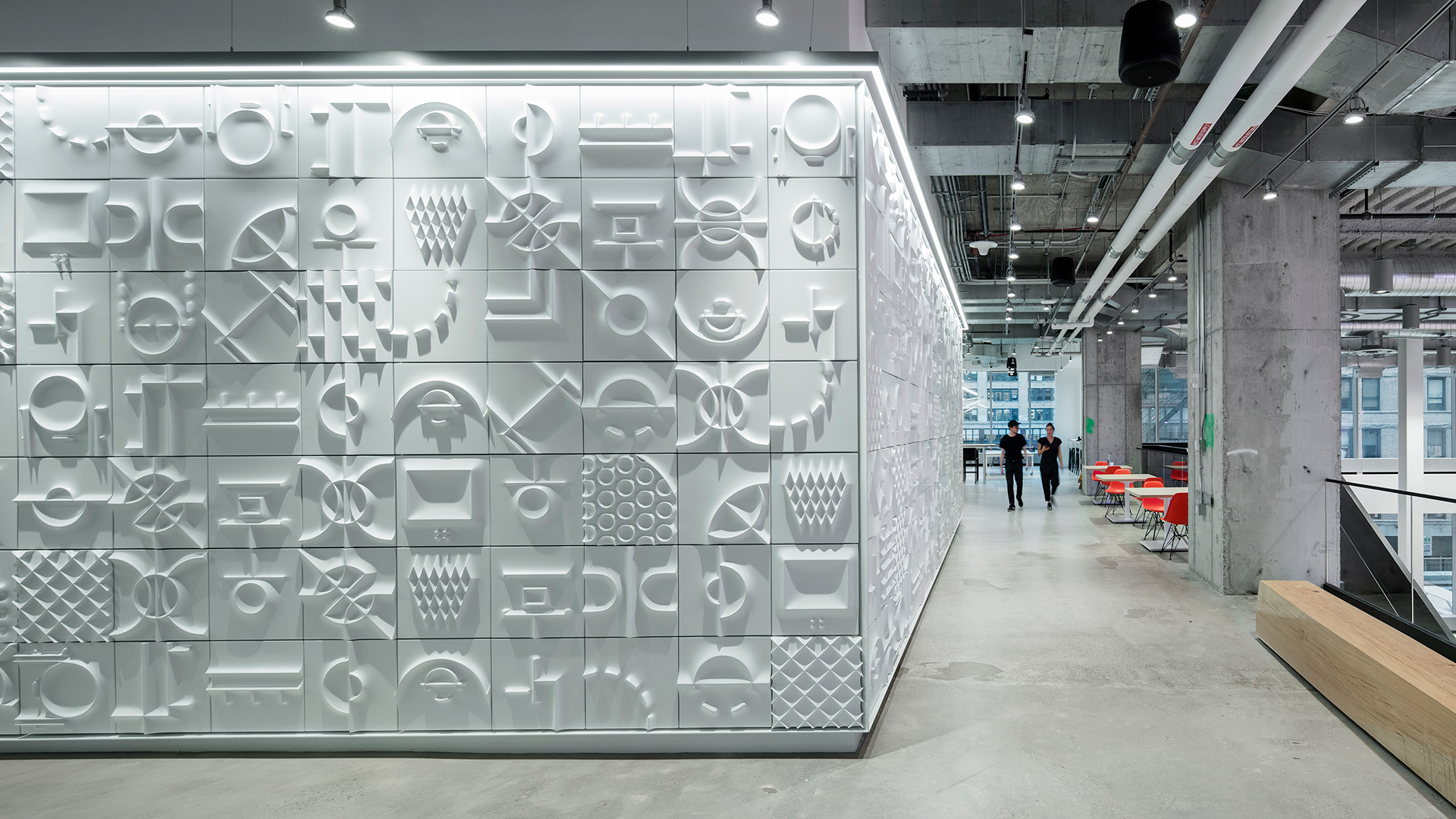
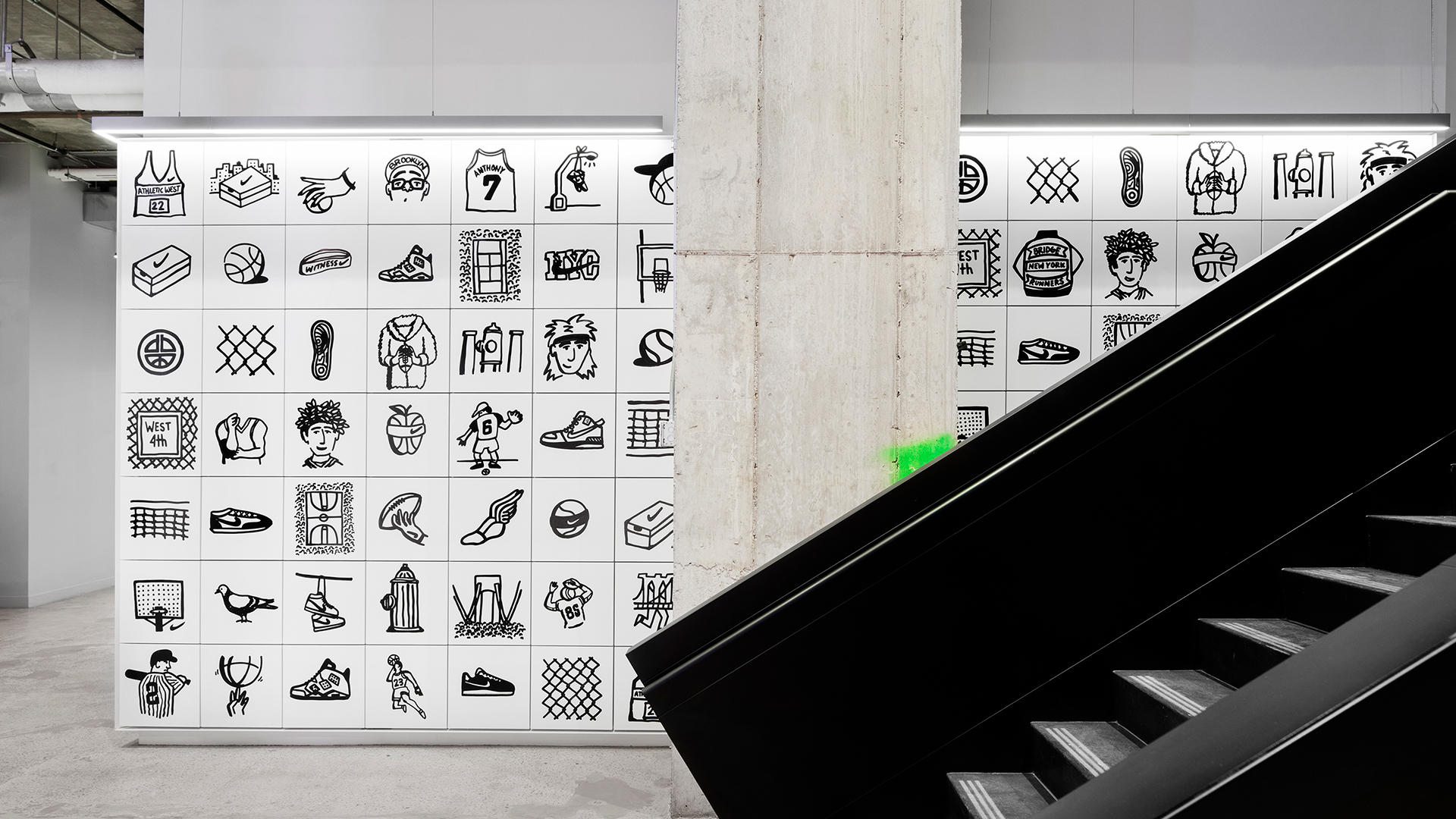
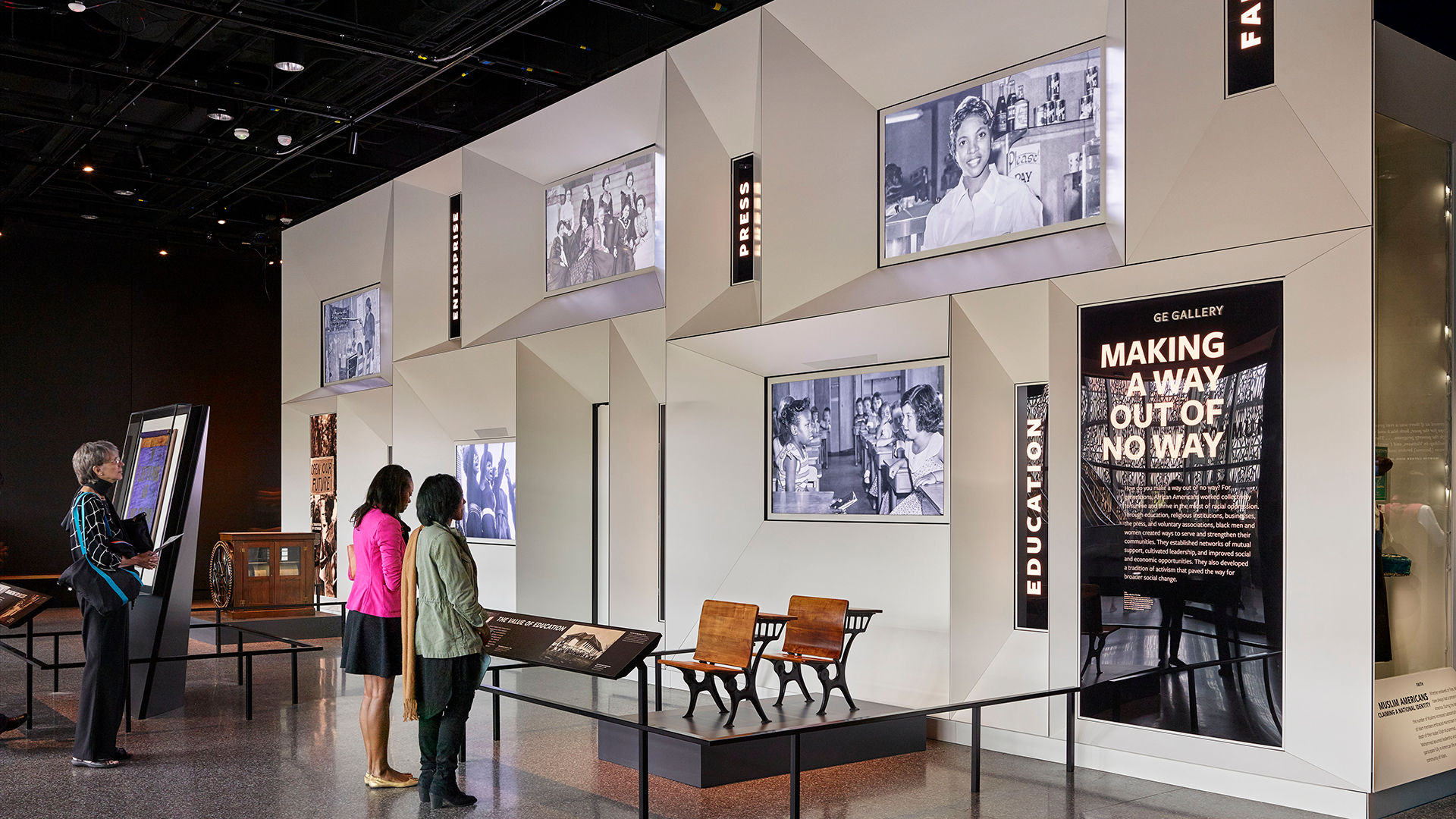
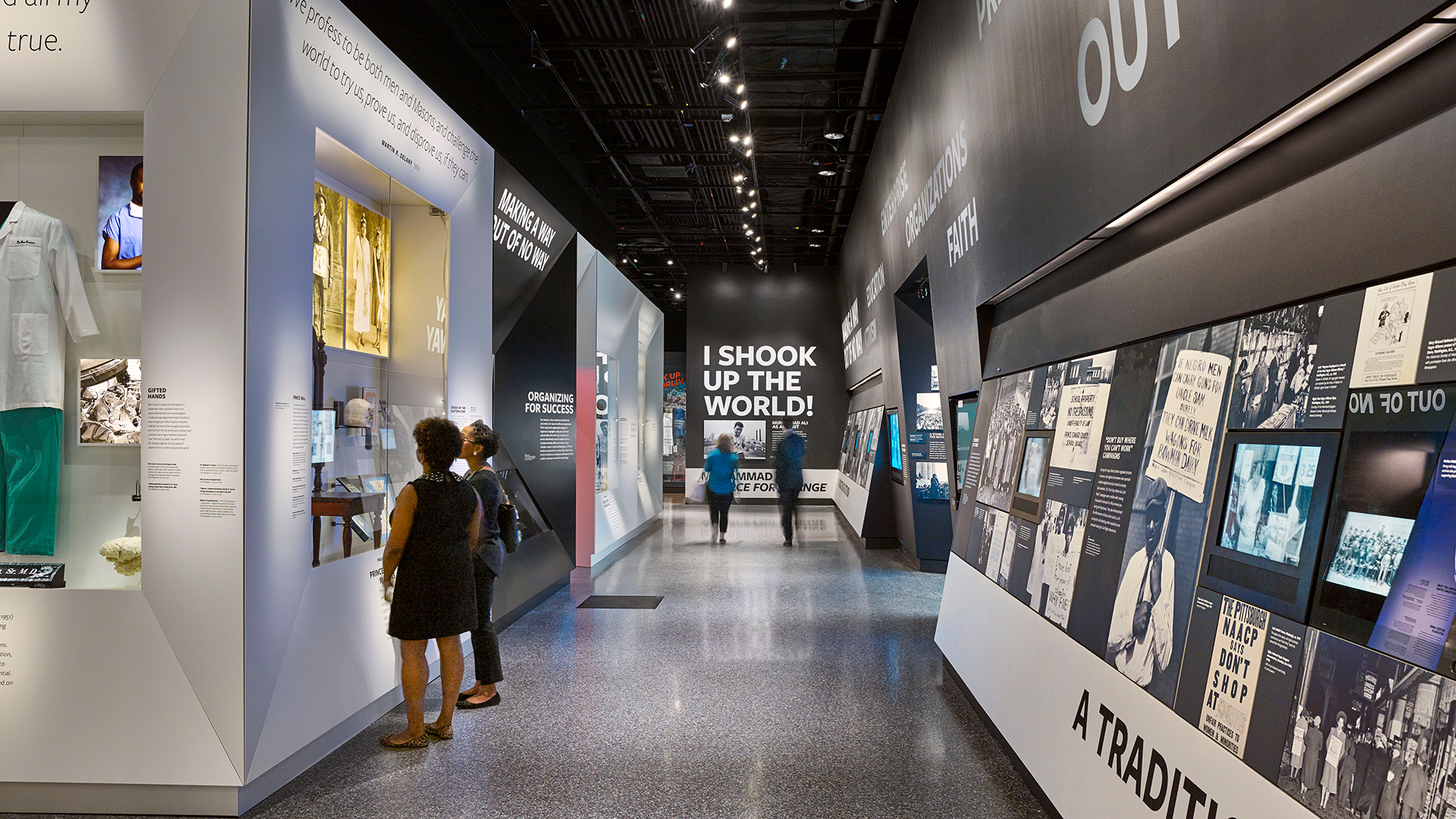
The studio’s early years were built on work for Nike, first designing logos and retail graphics, then a 25,000-square-foot exhibition for the 2010 World Cup in South Africa. The work was substantial enough to put WSDIA on the radar of Ralph Appelbaum Associates, who approached the studio to join the design team for the Smithsonian’s National Museum of African American History and Culture. It became WSDIA’s first museum project, and its longest, at five years, a scale and pace of work the studio had never faced before.
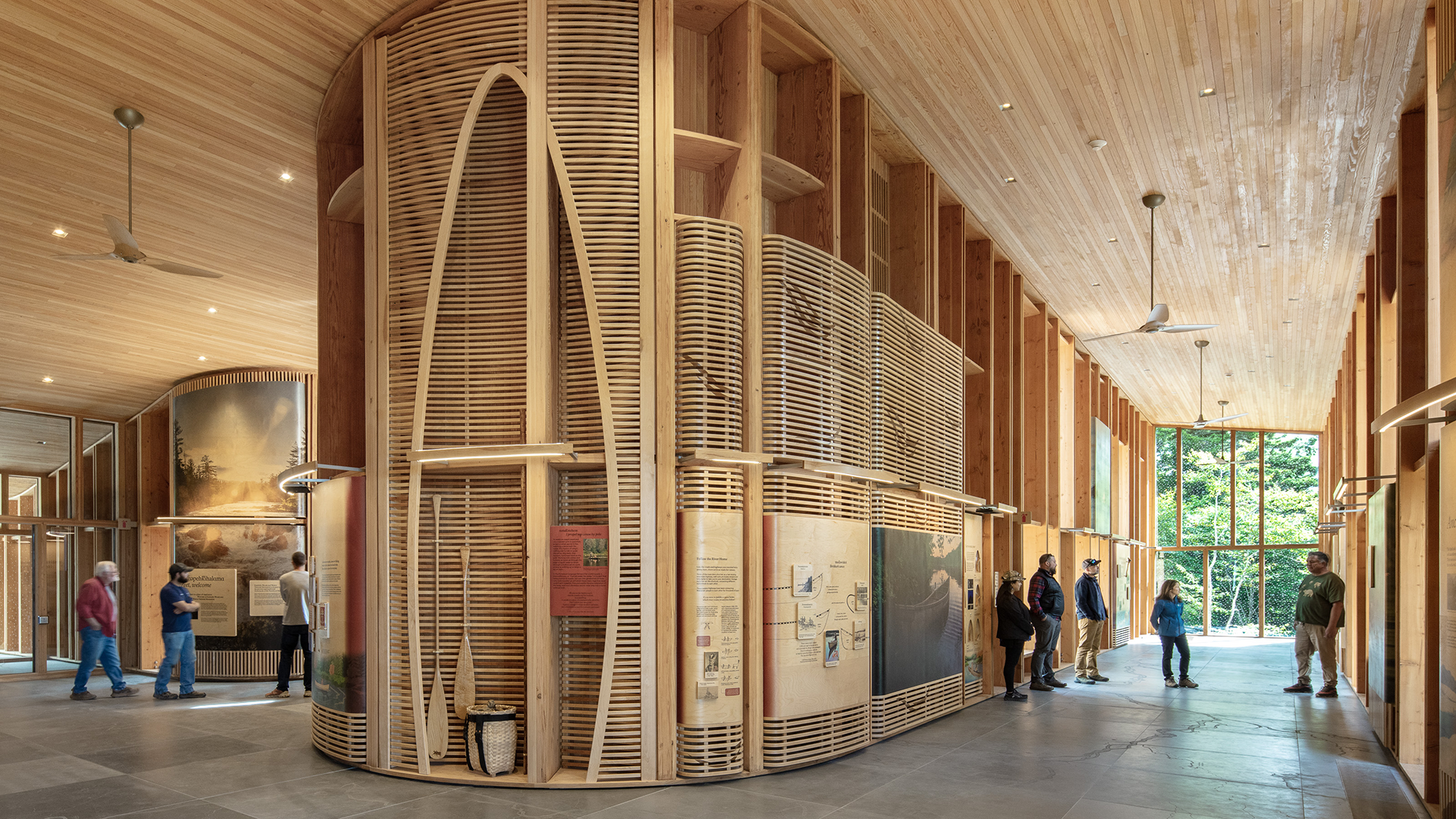
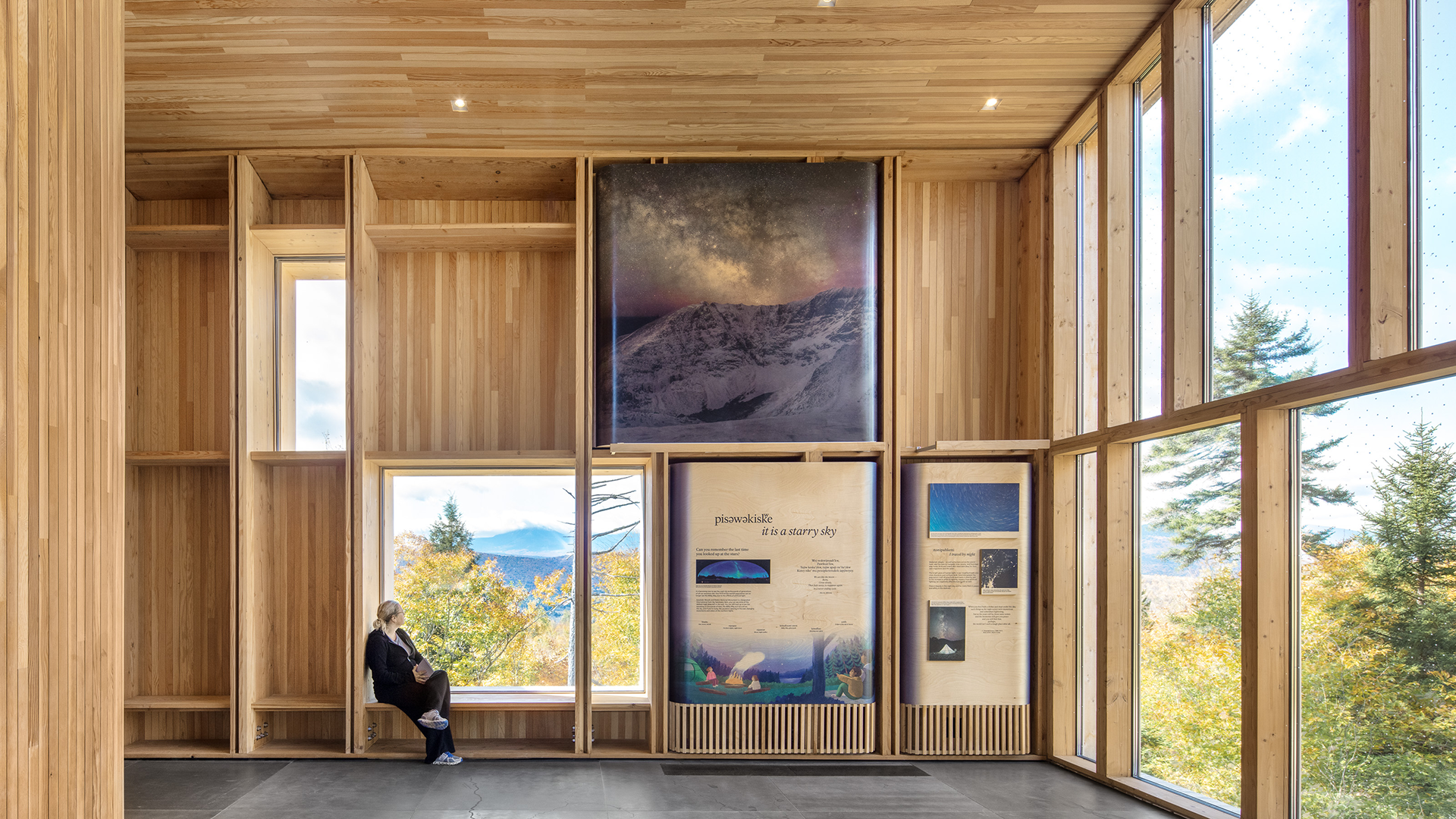
The studio has maintained that range of work ever since, most recently completing the Tekαkαpimək Contact Station, the welcome center to Katahdin Woods and Waters National Monument in Maine with the Wabanaki Nations.
WSDIA has grown into a practice built on transparency, mentorship, and the belief that good work doesn’t require chasing awards or attention.
In this conversation with SEGD CEO Cybelle Jones, Jonathan reflects on the projects that shaped him, what it means to design across cultures and histories that are not his own, and what he hopes the next generation carries forward.
What did the years between studying architecture and starting WSDIA look like?
I held onto architecture through college. After Kent State, I worked at a couple of architecture studios in New York, picking up graphic and spatial jobs on the side until I was spending more time on those than my day job. Eventually, they let me go, and honestly, I was thrilled. It meant I could finally do this full time. My mom, who’d paid for an architecture education, was less thrilled, but I took that as motivation more than discouragement.
The name “WeShouldDoItAll” is a strong statement. Where did it come from?
It’s from a line in Robert Heinlein’s novel, Time Enough for Love, which I was reading for an architecture project in college. The quote lists everything a capable person should be able to do, and that idea stuck with me: a person should be able to do many things well. I always knew I wanted to run my own practice, and I knew that would be the name, whenever I got the chance.
How did WSDIA go from a two-person studio to the practice it is today?
Once we landed the Smithsonian project, Sarah came on full time, and steadying both the financial and creative sides let me focus purely on the creative work. That instinct, building something transparent enough that everyone on the team understands how the business actually runs, not just the design side, has stayed core to the studio ever since. In the years between our two kids, Sarah focused mostly on finance and project management. After our second child, she found what she really wanted to do: she became a certified postpartum doula and is now considering midwifery. We restructured around that, reducing the team from a peak of nine people to six today, and decisions that used to sit with the two of us are now made democratically by the whole team.
Your work has ranged from Nike to the Smithsonian to a national monument developed with Indigenous nations. What tells you a project is worth taking on?
We score projects against three things: does it have cultural impact, does it pay well, and is it good for the portfolio. Most hit two of three. It’s rare to hit all three, and the ones that hit only one are usually ones we should pass on, though lean years have forced our hand more than once. That decision isn’t just mine or Sarah’s. The whole team weighs in, which keeps us honest and aligned on why we do the work we do.
Your five years on the Smithsonian’s National Museum of African American History and Culture and your recent work with the Wabanaki Nations on the Katahdin Woods and Waters Visitor Center both involved sensitive histories. What did those projects teach you?
The Smithsonian project taught us patience and how to really listen. We worked with six curators across two galleries, and everything moved more slowly and required far more iteration than the commercial work we’d done before. It’s also what turned WSDIA into a real studio, with real scheduling and our first full-time hire. Katahdin pushed that further. We spent three years working weekly with the Wabanaki Nations, the Maliseet, Mi’kmaq, Passamaquoddy, and Penobscot, and everyone on the project completed Indigenous sensitivity training before we began. I came to see how much a typical design process mirrors extraction: research taken rather than given back. Unlearning that took real trust, and it wasn’t always comfortable. I’d put that project alongside the Smithsonian in terms of what it asked of me, as a designer and as a person.
What do you hope your team and the next generation of designers carry forward from how you’ve built WSDIA?
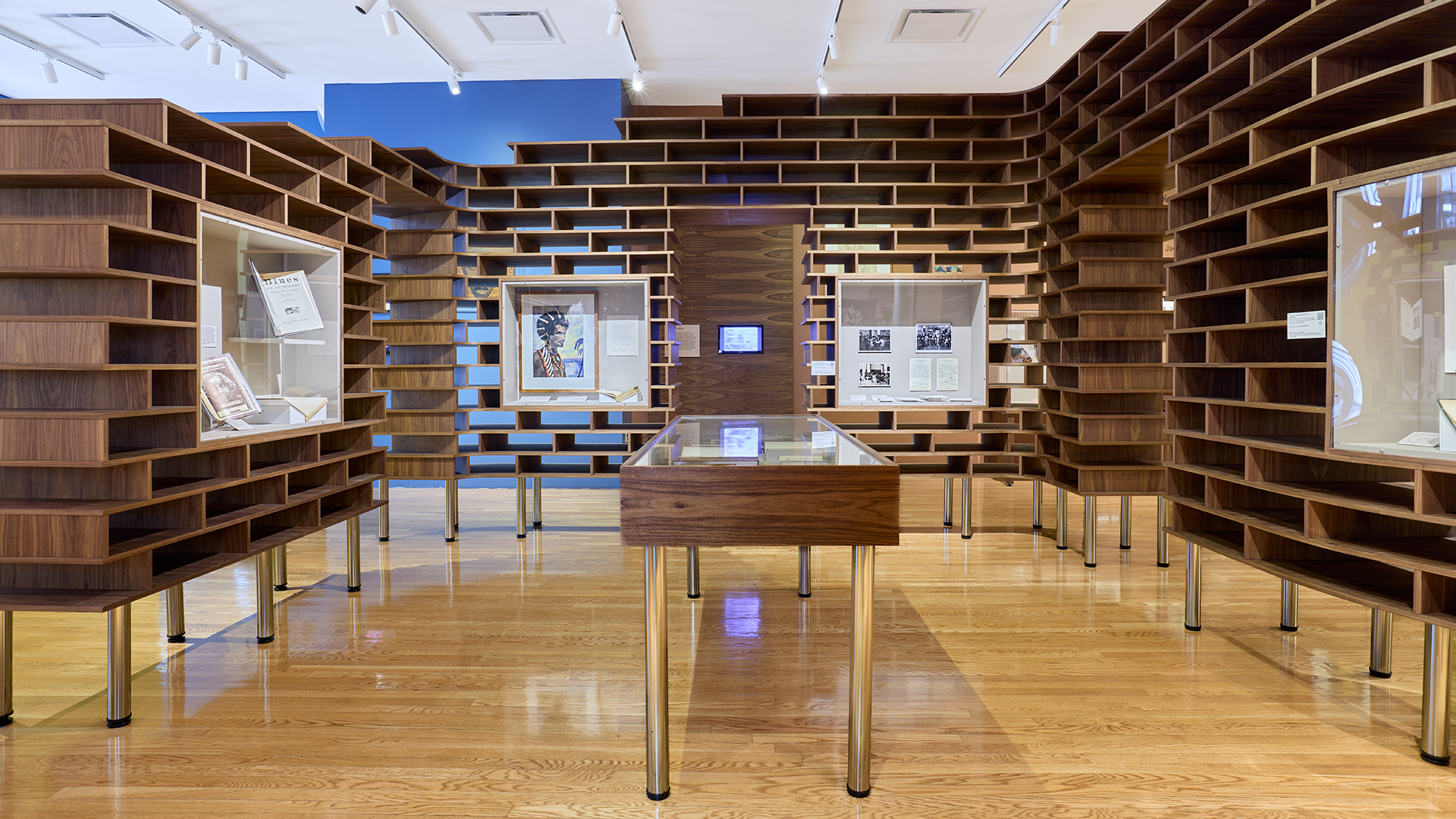
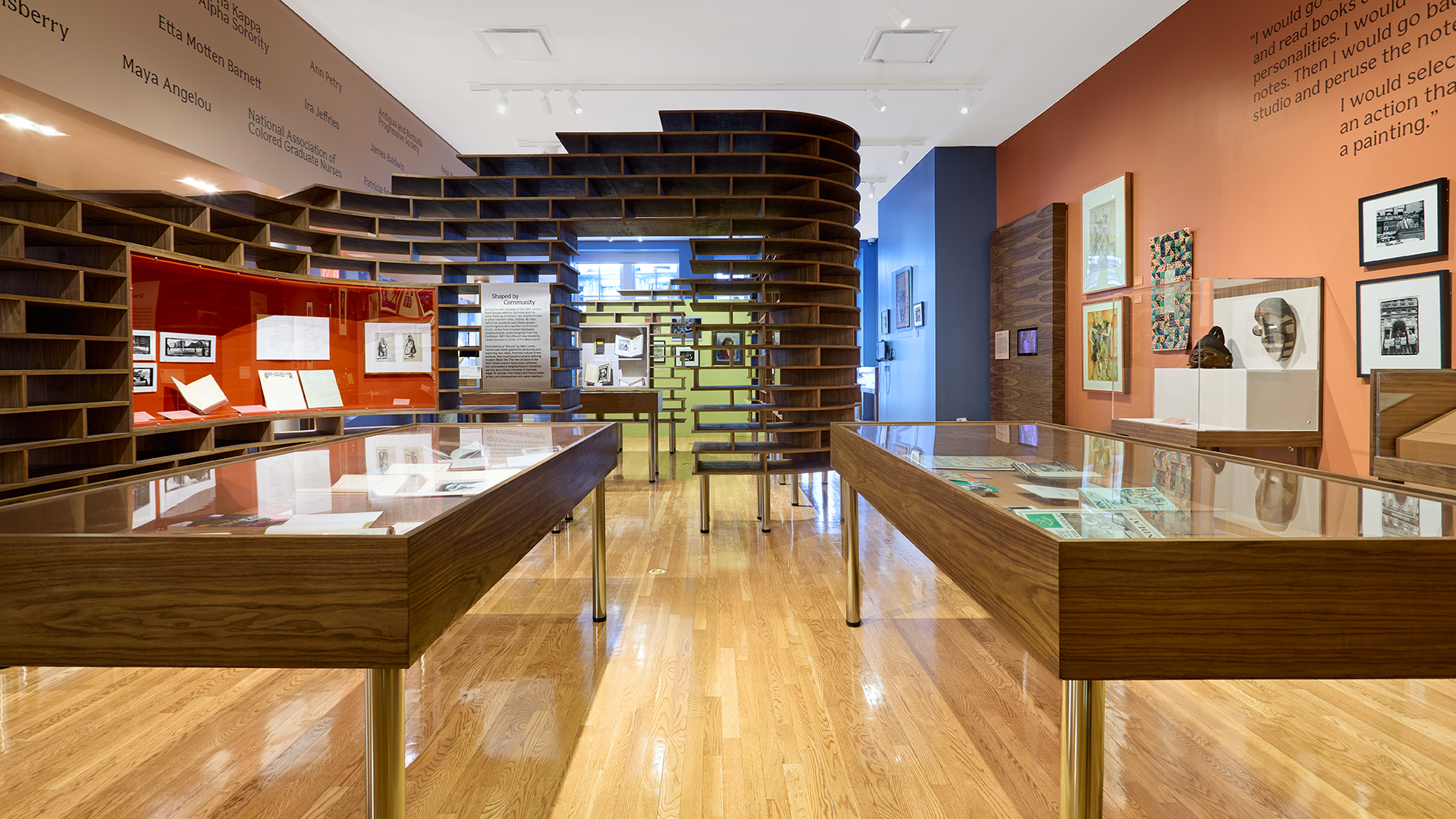
Transparency matters enormously to us. Our team has access to contracts and invoices and understands how a studio actually runs, so if they ever want to start their own practice, they have the tools to do it. Nobody teaches that in design school, and I want people who come through WSDIA to leave with more than a portfolio credit. One moment has stayed with me. During the installation of an exhibit called “Men of Change,” a curator introduced me to a thirteen-year-old visitor who’d just said he wanted to become a designer. That’s the whole point: giving kids who don’t know this world exists a way in, the way my mother once did for me.
What still brings you joy in this work?
My kids, honestly. They don’t care what I do for a living, and there’s something grounding about stepping into their world instead of mine. Basketball is my release, too. Beyond that, I stay inspired by what my peers are doing, gallery shows, music, and honest conversations about how everyone’s getting through this moment. Design can be a lonely field if you let it. I’d rather build bridges with the people doing it alongside me.
People also viewed
-
2026 SEGD Fellow: Donna Lawrence
2026 SEGD Fellow: Donna Lawrence
-
2026 SEGD Fellows: Despina Macris and Mark Ross
2026 SEGD Fellows: Despina Macris and Mark Ross
-
Meet the 2026 SEGD Fellows

Meet the 2026 SEGD Fellows