Meet Me in the Middle: The Ideas, People, and Possibilities That Brought Us Together in Kansas City
Three days of shared ideas, unexpected connections, and meaningful experiences reminded us that the most interesting things happen when we make space for one another. Here are insights from the 2026 SEGD Conference Experience Kansas City.
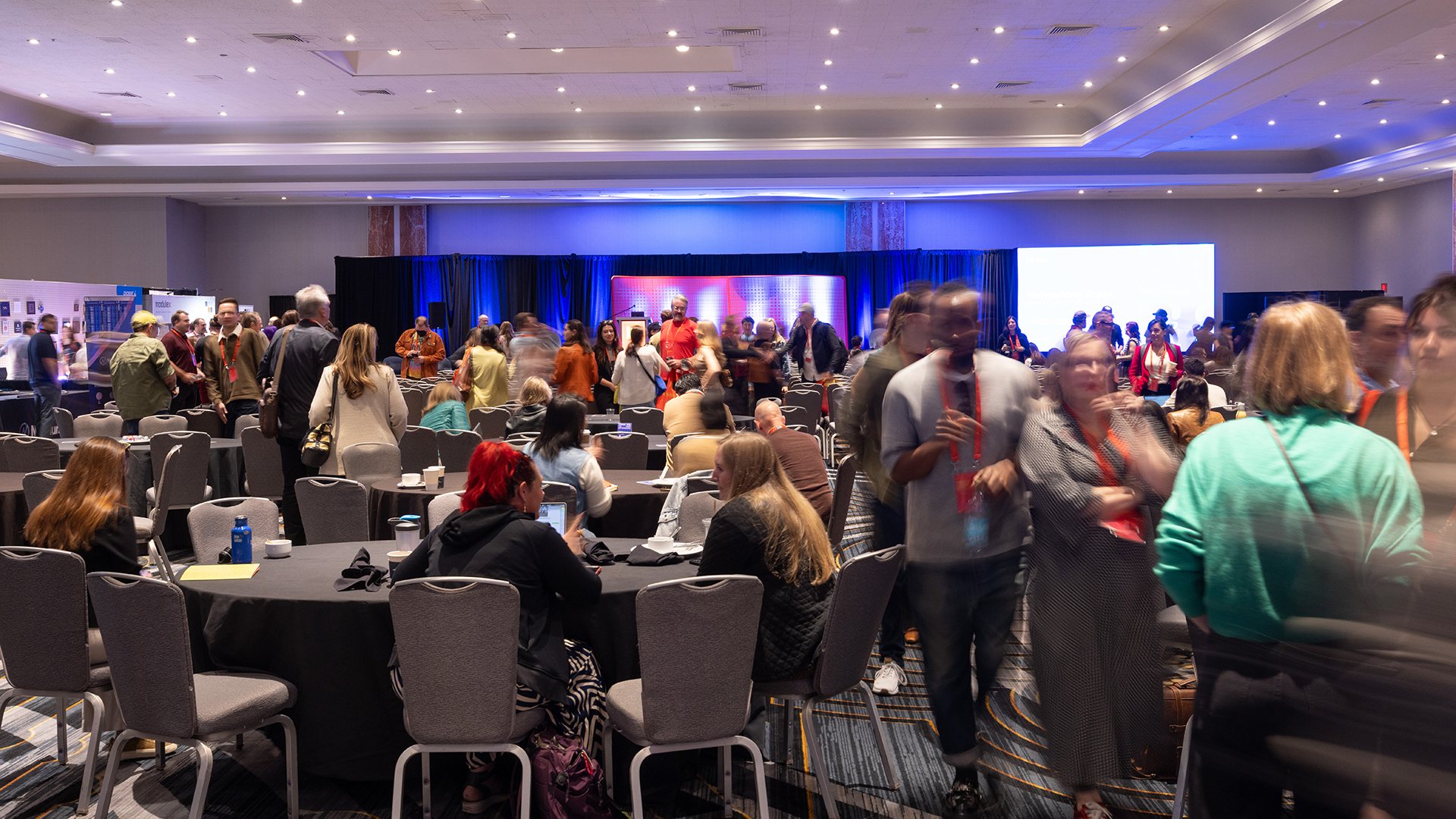
There is something special about being in a room full of people who see the world a little differently. People who notice the details others overlook, who believe places can tell stories, and who understand that the environments we create have the power to shape how people feel, connect, and belong.
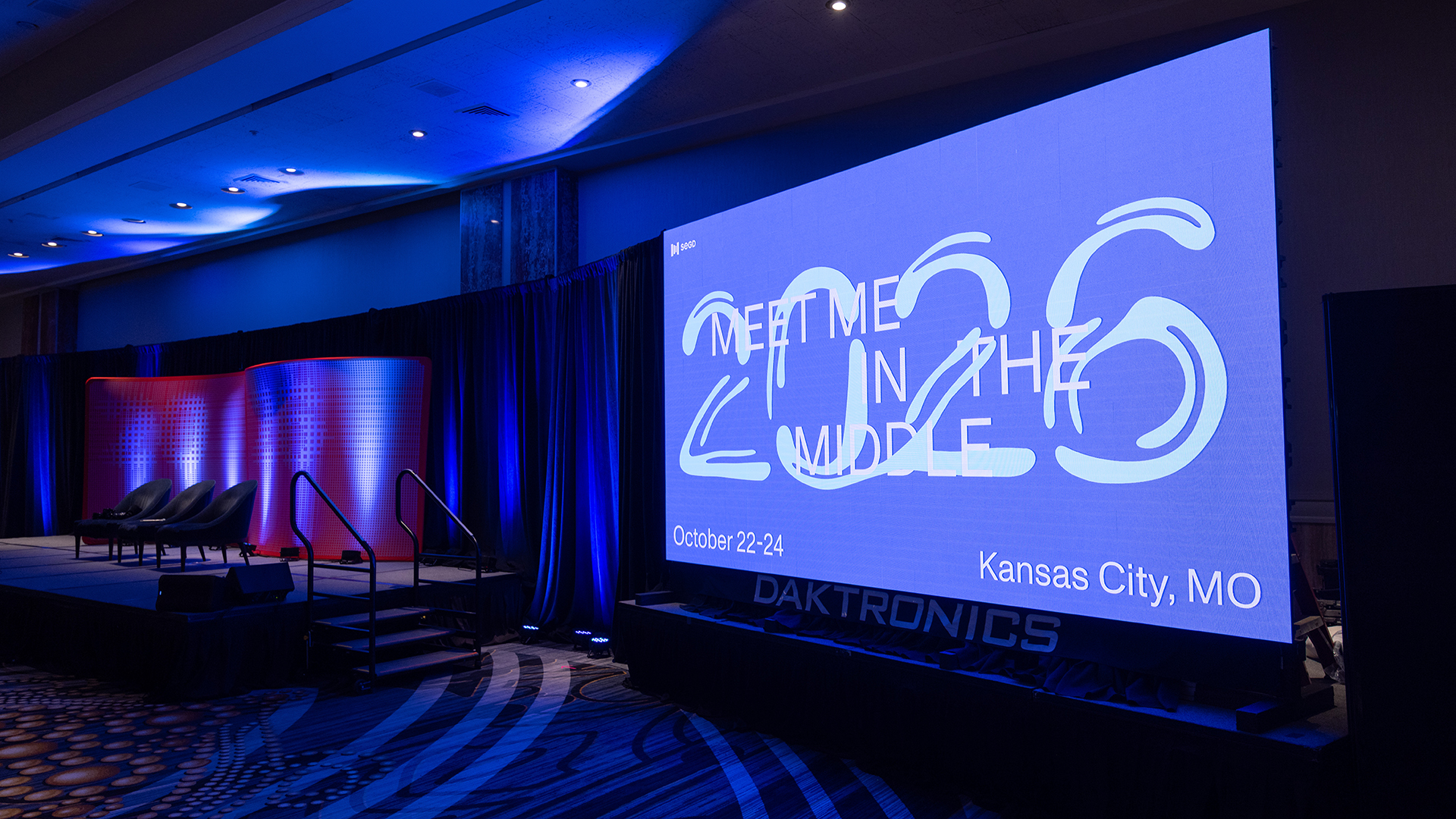
For three days, October 22–24, the SEGD community came together in Kansas City around a simple invitation: Meet Me in the Middle. What began as a conference theme became something much more meaningful. Across conversations onstage, experiences throughout the city, and countless moments in between, we explored what it means to meet one another with curiosity, humility, and openness. To find possibility in uncertainty. To bring different perspectives together without losing what makes each of them valuable.
There was plenty to think about. But there was also tremendous joy in simply being together. As newly inducted SEGD Fellow Jonathan Jackson of WSDIA | WeShouldDoItAll said: “This is like a big hug.” For many of us, that feeling captured the experience perfectly.
The Creative Possibility of the Middle
The middle is not always a comfortable place to be. It is where certainty gives way to questions, where different perspectives meet, and where the path forward is not always clear. But throughout the conference, speakers challenged us to see that space not as something to move through quickly, but as a place worth inhabiting.
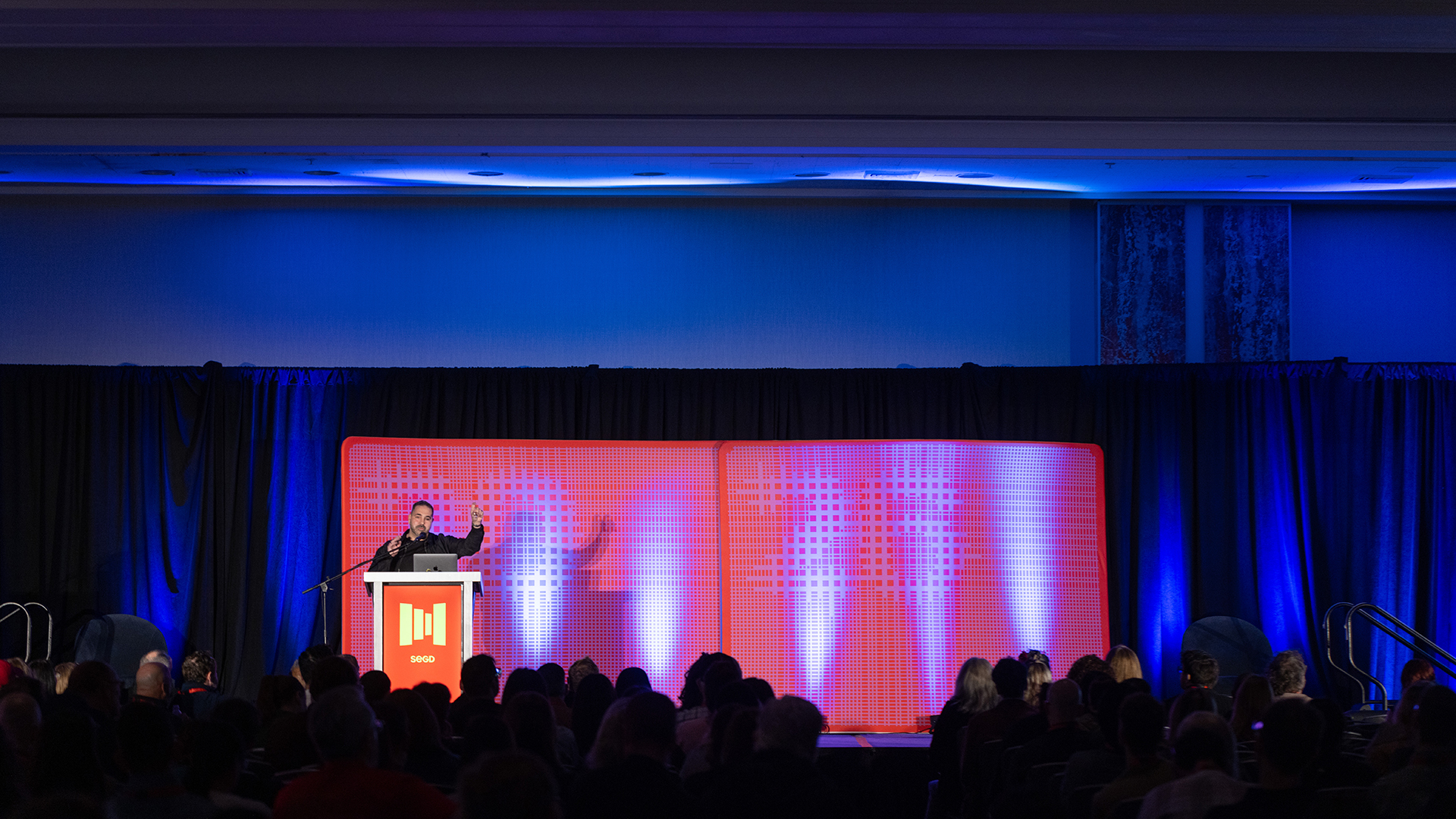
In her presentation, Point of Zero, Lucy Holmes of Holmes Studio explored the creative power of uncertainty and the emotional territory that accompanies meaningful change. “The middle is where the most interesting ideas start to take shape,” she reminded us. For designers accustomed to solving problems and delivering answers, Lucy offered another possibility: that uncertainty itself can be productive. That we can sit with the questions, embrace the unfamiliar, and trust that something worthwhile may emerge.
Her message resonated well beyond the creative process. Reflecting on the conference afterward, Conference Co-Chair Rick Smith of Dimensional Innovations shared a deeply personal interpretation of the theme: “Maybe my emotional middle is right here, somewhere between where I’ve been and where I’m going. A reminder that I don’t need to reinvent myself, but rather reconnect with the things that have always inspired me.” It was a reminder that the middle is not only where disciplines and perspectives intersect. Sometimes, it is where we rediscover ourselves.
Other speakers approached this territory through the realities of collaboration. François Roupinian of Lightemotion spoke to the importance of vulnerability and humility in creating emotionally resonant experiences, while the team behind the Obama Presidential Center offered a compelling look at what happens when many creative voices work toward a shared vision. Aki Carpenter of Ralph Appelbaum Associates, Sara Pasch of the Obama Presidential Center, and Valerie Chin and Megan Gargagliano of batwin + robin explored the complexity and creative potential of bringing different perspectives together.
Their conversation revealed that meaningful collaboration is not about eliminating differences or finding the easiest compromise. It is about making room for those differences to strengthen the work.
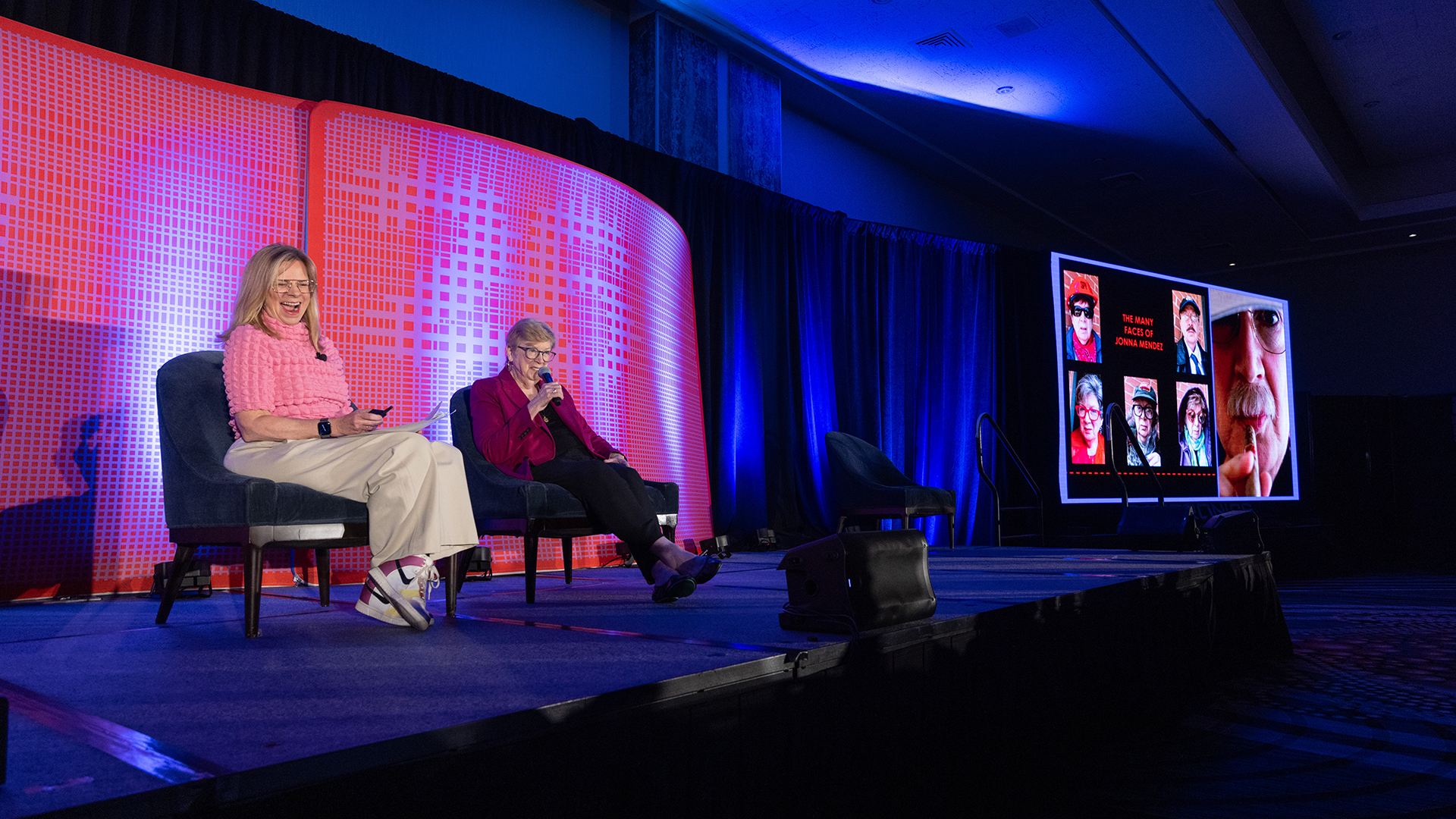
An unexpected perspective came from Jonna Mendez, former CIA Chief of Disguise, in conversation with SEGD CEO Cybelle Jones. Drawing on a career where creativity could mean the difference between life and death, Jonna shared how her late husband, Tony Mendez, created an elaborate fictional Hollywood production company to help six Americans escape Iran in the operation made famous by Argo. Her stories revealed the extraordinary power of storytelling, ingenuity, and creative problem-solving, along with a lesson in courage: “Courage. Where does courage come from? It comes from being responsible.”
Design as an Act of Care
If the middle represents possibility, it also asks something of us. What responsibility do we have to the people who inhabit the places we shape? Whose stories are being told? Who feels welcome, and who has historically been left out?
Cynthia Sharpe of TAIT grounded these questions in the history and evolving identity of Kansas City during her presentation, Design As An Act of Repair. Rather than treating design as a means of simply transforming places, Cynthia challenged us to consider its potential to acknowledge past harms, restore dignity, and create environments where more people can see themselves reflected. “Design decisions tell us who and what we value.” Through examples of Kansas City’s public spaces and cultural institutions, she demonstrated that inclusion is expressed through decisions about access, visibility, participation, and belonging.
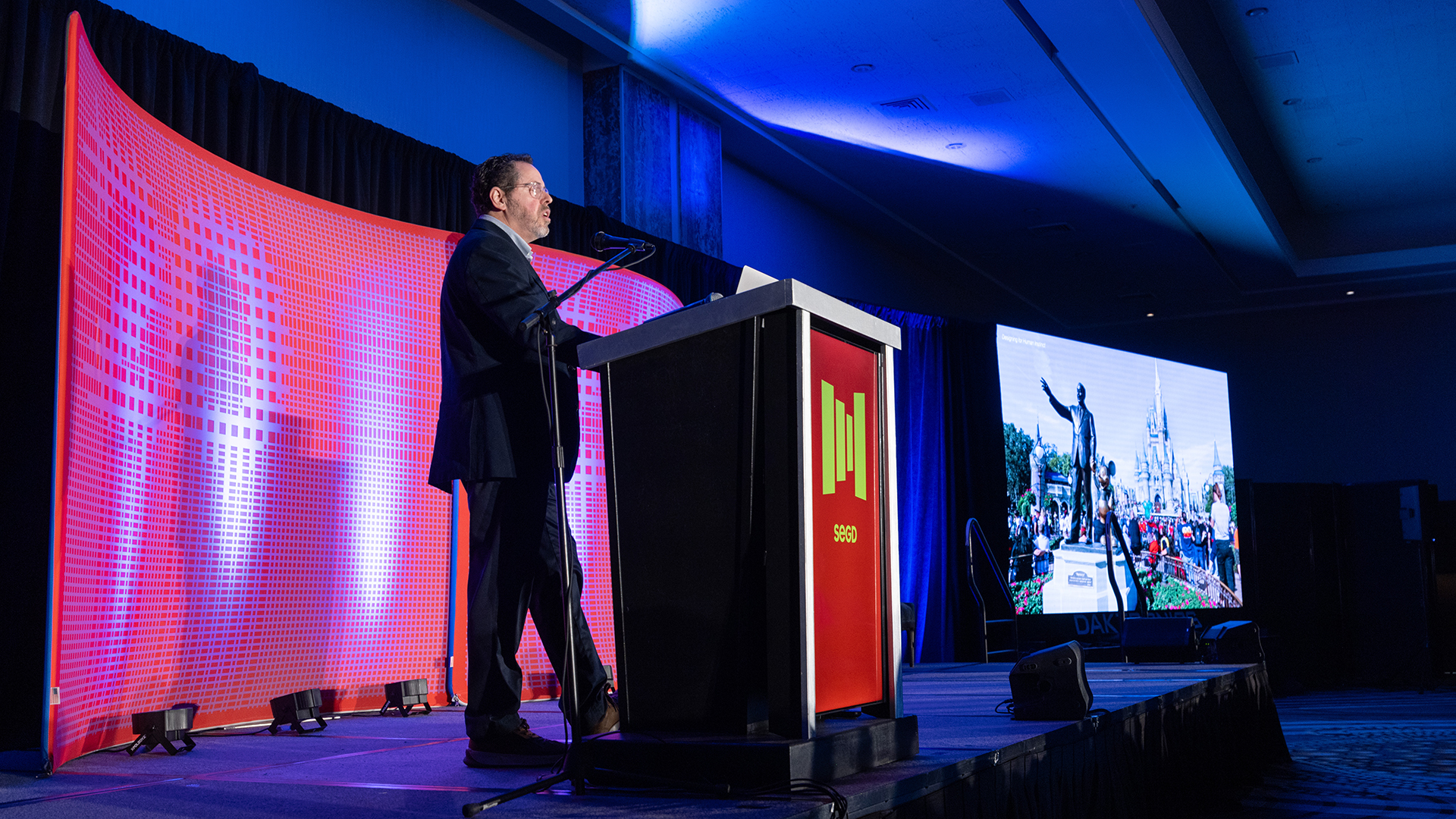
Jonathan Mugmon of Populous brought that same human-centered thinking into the everyday experience of navigating the built environment. In Designing for Human Instinct, he challenged designers to look beyond their assumptions and observe how people actually move through, interpret, and respond to spaces. His real-world examples of wayfinding challenges demonstrated how even thoughtfully designed environments can create confusion when they fail to account for natural human behavior. Intuitive design, he reminded us, begins with curiosity and a willingness to see the world through someone else’s eyes.
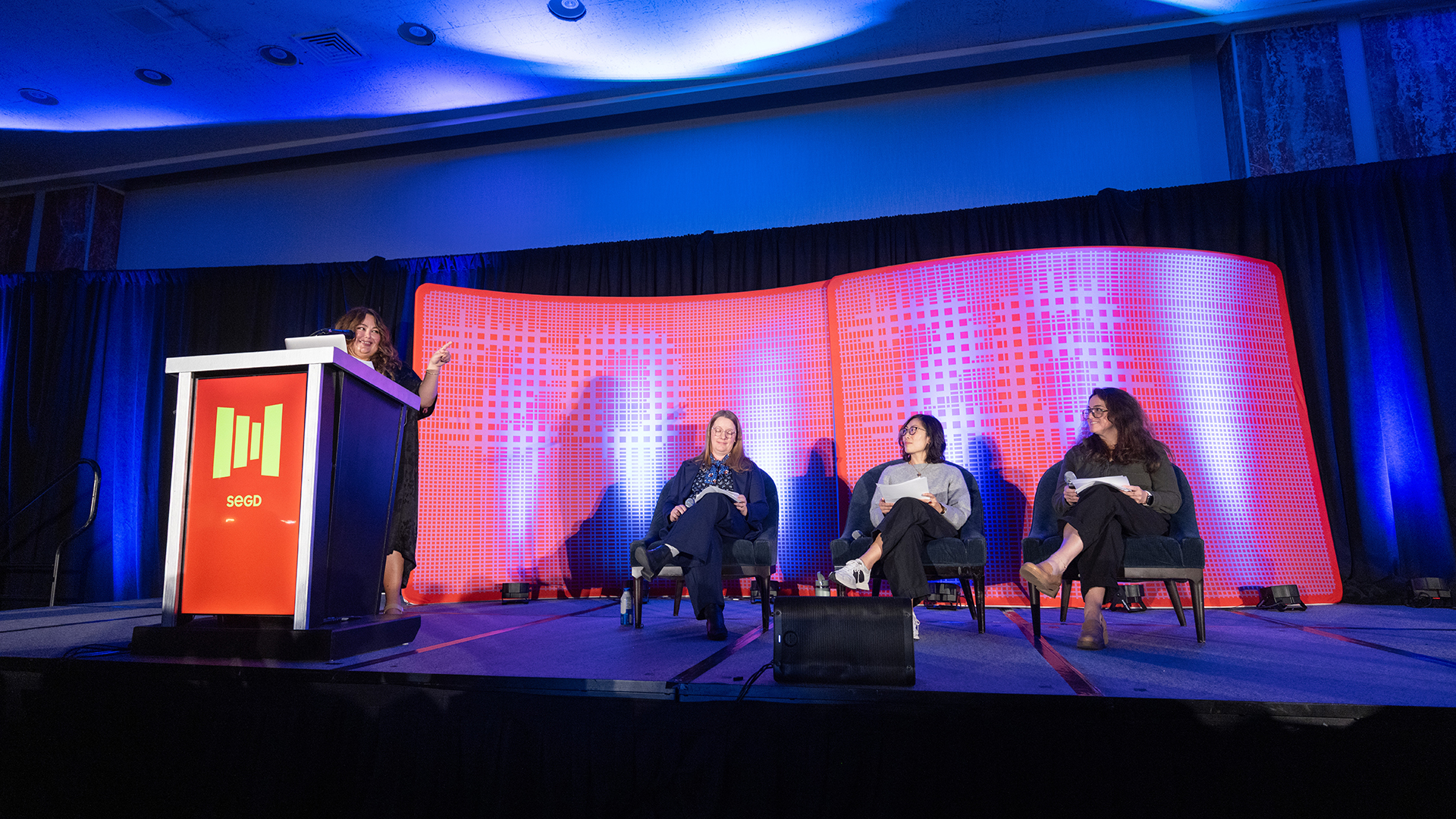
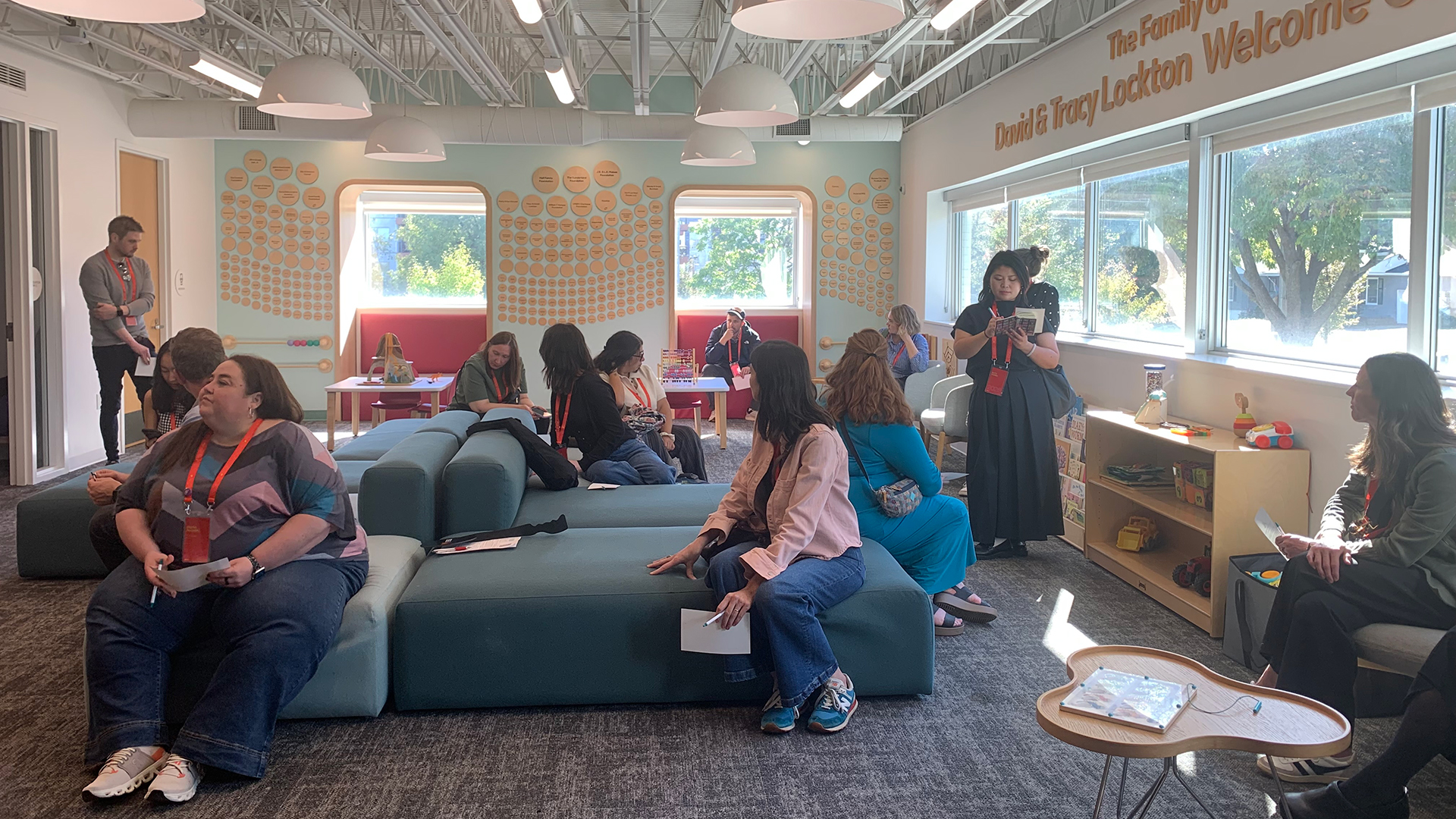
That responsibility carried into The Emotional Architecture of Healthcare, where Bethany Foss of HOK, Erin Nybo of CannonDesign, and Mara Sabatini of HDR joined moderator Rick Smith to consider how children and families experience spaces during some of life’s most overwhelming moments. Familiarity, clear navigation, accessible environments, and opportunities for positive distraction become more than design strategies. They become expressions of care. The concept of frictionless participation offered a meaningful way to think about accessibility: not as an accommodation for a select few, but as an invitation for everyone to engage more confidently and comfortably.
Attendee Vivien Lin captured the shared lesson beautifully: “I came away thinking about ‘the middle’ as a place of curiosity and empathy. Whether that’s a fellow designer or a visitor finding their way, there’s always something to learn by seeing a space through someone else’s eyes.”
A City That Met Us in the Middle
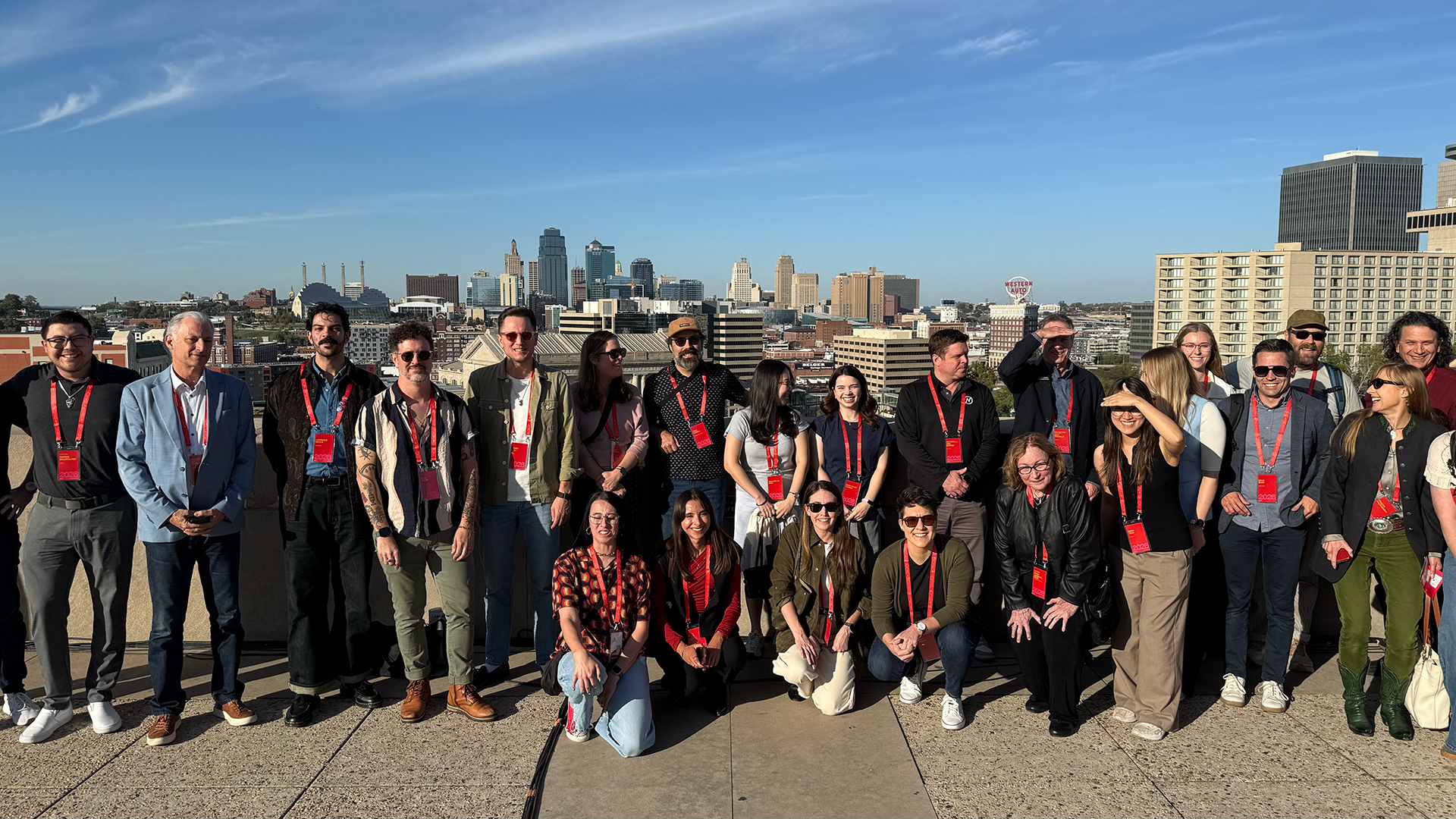
Kansas City was far more than the setting for these conversations. It became an essential part of them. Throughout the conference, the city offered a living demonstration of the relationship between history, community, creativity, and place.
Attendees explored projects and places that brought those ideas into focus. At the Negro Leagues Baseball Museum, stories of perseverance, entrepreneurship, and civil rights revealed how cultural institutions can preserve histories that deserve to be remembered and shared. At Two Tone Press, the tactile pleasure of letterpress printing offered a joyful reminder of the value of craftsmanship and making things by hand. Visits to Crystal Bridges Museum of American Art, The Rabbit hOle, the Nelson-Atkins Museum of Art, and the National WWI Museum and Memorial expanded the experience beyond the conference walls, creating opportunities to encounter remarkable work and the people behind it.
The city’s creative energy was also evident in conversations about its future, including a presentation featuring Kathy Nelson of the Kansas City Sports Commission and Visit KC, and Tucker Trotter of Dimensional Innovations. Their discussion illuminated the extraordinary collaboration and civic ambition involved in preparing Kansas City to welcome the world for the FIFA World Cup. These experiences reminded us that design does not exist in isolation. It is inseparable from the histories, cultures, and communities that give places meaning.
And Kansas City welcomed us with a warmth and generosity that made the experience feel personal. As Conference Co-Chair Wendy Manning of Demeter Strategy Design reflected afterward: “Great design, warm humans making a difference, and a jewel of a city. I’ll be back.”
The Power of Finding Your People
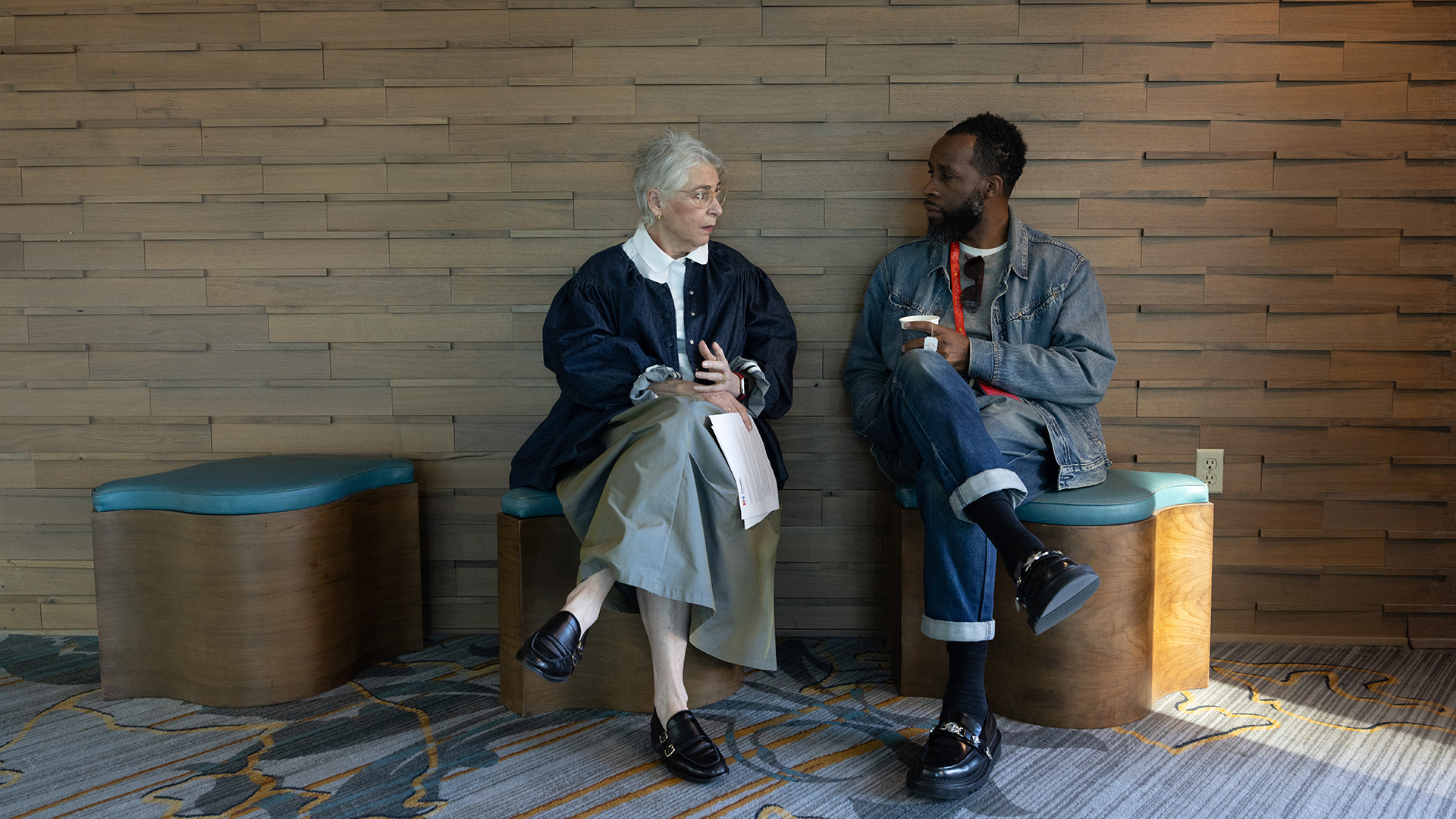
Some of the most meaningful conference moments happen outside the formal program. In conversations over coffee, between sessions, or when a simple introduction becomes a lasting connection.
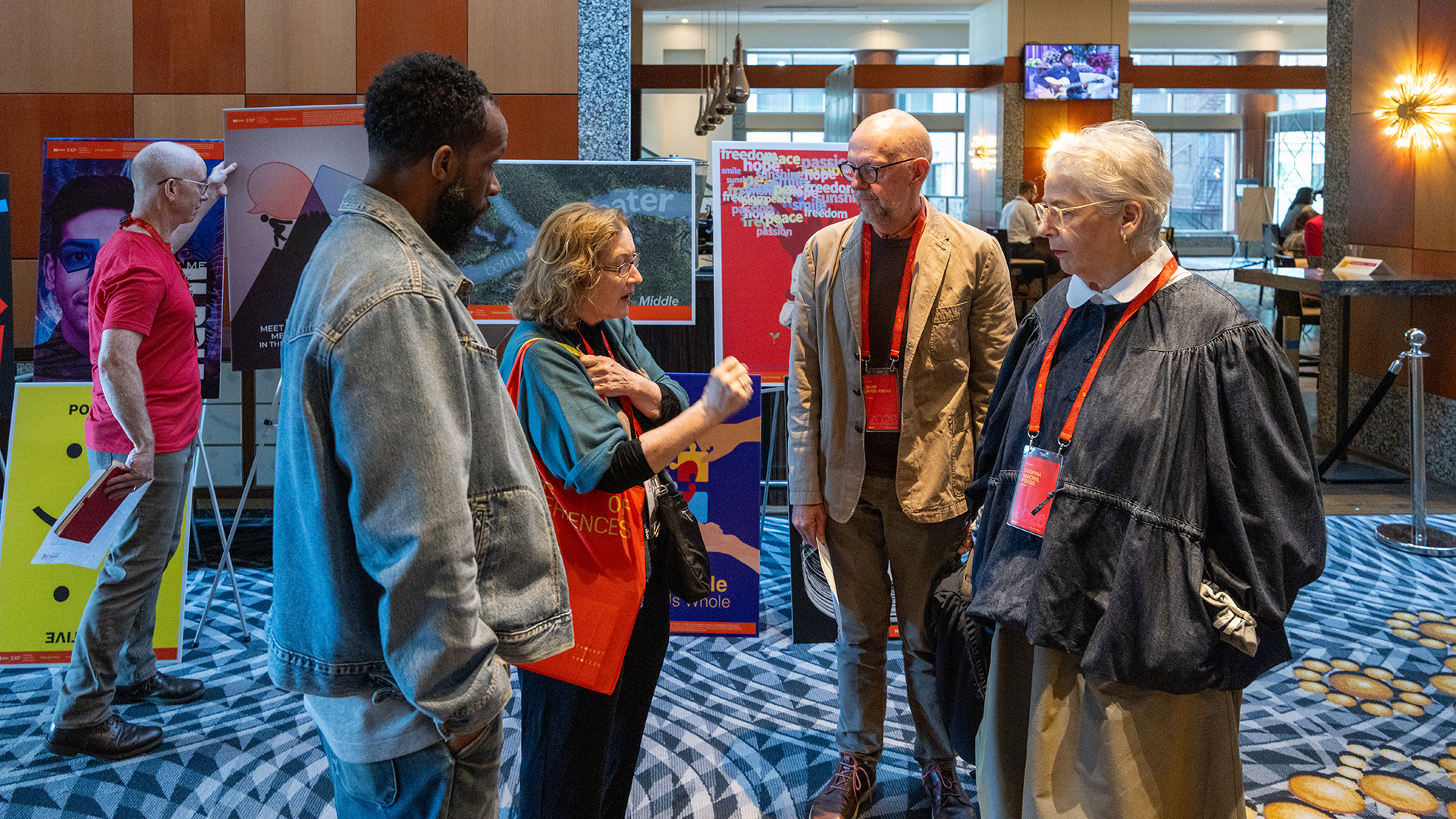
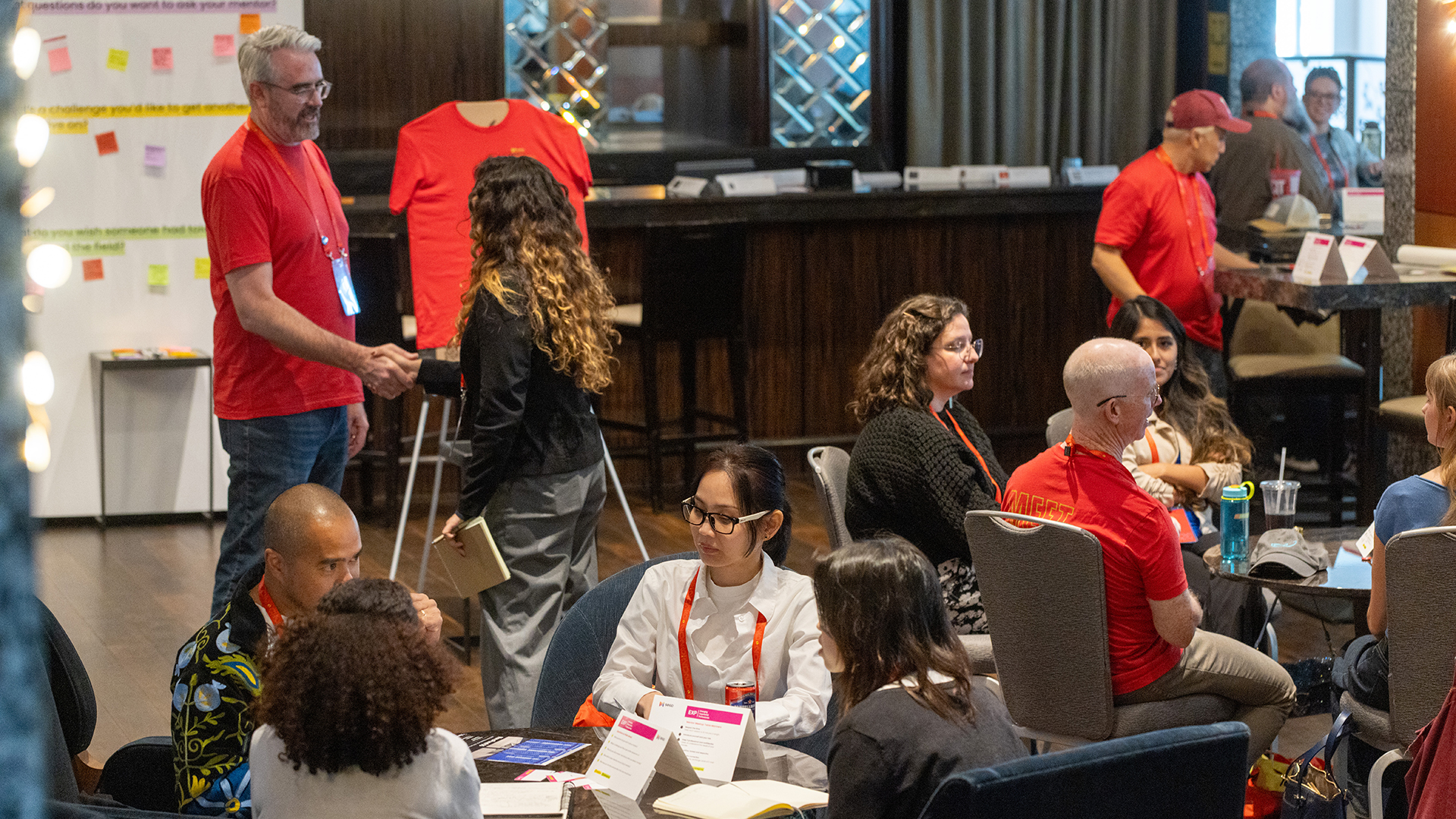
Throughout the three days, NEXPO brought together established leaders, emerging professionals, educators, makers, technologists, and storytellers, sparking conversations and collaborations across disciplines and generations. Mentorship and EXP programming created opportunities to exchange knowledge and build relationships.
For first-time attendee Kate Wyman, the conference began with uncertainty about whether she belonged. But through conversations and shared experiences, something shifted. “Somewhere on that tour, it clicked: I’ve been part of this community all along. I just hadn’t found it yet. Thank you to everyone who made space for me in the Middle. I’m inspired, and I’m staying!”
For longtime members, the gathering offered the chance to reconnect with people who have shaped their careers and become friends along the way. As Cheryl Catterall observed, even though many SEGD members compete for the same work, they still come together to celebrate one another’s achievements. That generosity extends across generations, as students and emerging professionals find mentors, build confidence, and begin forming relationships that will shape their careers.
And sometimes, that spirit shows up in unexpected ways. On the road trip to Crystal Bridges Museum of American Art, a flat tire brought three SEGD Fellows—Inguna Elere, Holgers Elers, and Michael Gericke—together to change the tire and get everyone back on the road. A small but beautiful reminder that this community’s generosity extends well beyond our professional lives. We show up for one another.
Making Room for Joy
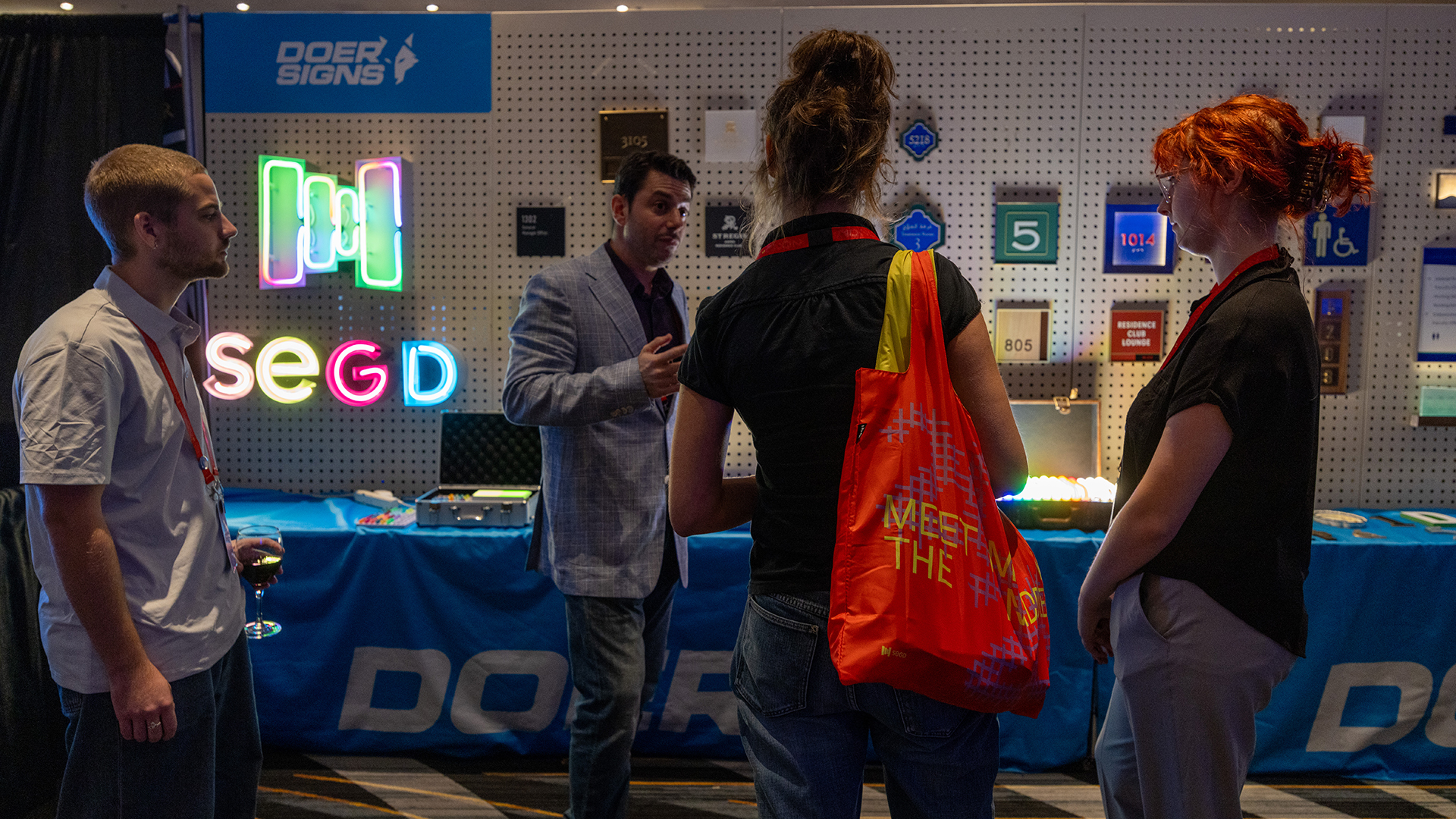
For all the thoughtful conversations about responsibility, uncertainty, and the complexity of creative work, there was another unmistakable current running through the conference: joy. The joy of discovering something unexpected. Of seeing remarkable work and meeting the people who made it possible. Of celebrating an award, reconnecting with an old friend, or reminding yourself why the value of being in person can’t be duplicated.
It was present in the energy of NEXPO, the shared excitement of the SEGD Global Design Awards, and the recognition of this year’s Fellows and Achievement Award recipients. It carried through the President’s Reception and Auction, the gatherings that brought us together throughout the week, and a memorable closing celebration at the National WWI Museum and Memorial.
As attendee Jeffrey Laverty reflected, “SEGD events are always educational, thought-provoking, and inspirational, and last week’s event in Kansas City was no exception. But it’s the talented, creative, fun, and warm people that made it exceptional.”
These moments were not separate from the conference’s deeper purpose. They were an expression of it. The relationships we build allow us to take creative risks, share ideas freely, learn from one another, and approach difficult challenges with renewed optimism. And sometimes, the most valuable thing we take home from a conference is simply the feeling of being understood by people who share our curiosity about the world.
What We Carry Forward
As the conference came to a close, the invitation to Meet Me in the Middle felt less like a theme and more like a way forward. To approach uncertainty with curiosity rather than fear. To listen more generously. To recognize that collaboration requires vulnerability, and that designing for people begins with truly seeing them. To make room for perspectives different from our own, and to understand that the most powerful work often emerges from those intersections.
And perhaps most importantly, to remember that none of us does this work alone.
Reflecting on his first SEGD Conference, Mike Golas described experiential design as “a meeting of many disciplines,” where the collective middle can “spark curiosity and wonder.” That sense of possibility is what we hope everyone carried home from Kansas City: new ideas, renewed friendships, unexpected connections, and a deeper appreciation for the impact of our work and the remarkable people who make it possible.
To our Conference Co-Chairs Rick Smith of Dimensional Innovations, Wendy Manning of Demeter Strategy Design, and Jackie Berra of JBerra Consulting & Design; our Kansas City Chapter Chairs Kate Schmidt and Sarah Onken; and every speaker, sponsor, exhibitor, volunteer, and attendee who brought their energy, curiosity, and generosity to Kansas City: thank you. You made the middle a place worth meeting.
And we can’t wait to see what we create together next.
In Their Own Words: What We’re Taking Home from Kansas City
The conversations didn’t end when the conference did. In the days that followed, attendees reflected on the ideas, relationships, and experiences that stayed with them. Their words capture the spirit of a community that continues to inspire, challenge, and support one another.
We need to empower ourselves to blur the boundaries more often. This transformation is at the heart of experiential design.
I came looking for professional connections and found something much more meaningful. … It’s a reminder that the most meaningful connections aren’t about who we know, but how we show up for one another.
Being around so many talented designers was inspiring, I feel excited for what is to come in my career. Participating in the EXP program was also so helpful for a student like myself to get comfortable with connecting to other young professionals and the mentors who came to the events.
I choose to believe that everything good you put into world will multiply – and this has certainly been my experience with SEGD.