Designing for (Im)Permanence: Content, Context, Cost—and Change
Keith Helmetag, C&G Partners’ Emeritus
Interpretive experience installations are shaped by many forces—content, context, cost, and time. While some experiences are designed to endure for generations, others are intentionally fleeting, responding to the urgency of the moment.
In this two-part series, Keith Helmetag explores the opportunities and responsibilities inherent in both permanent and impermanent design. Drawing from decades of practice across cultural, civic, and public landscapes, Keith examines how designers can make intentional choices—whether creating work meant to last, or experiences designed to live briefly but powerfully.
Part One explored permanence: interpretive experiences embedded in landscape and architecture, shaped by material longevity, authentic storytelling, and long-term stewardship.
Part Two turns to impermanence, where experimentation, adaptability, and temporal media invite innovation and immediacy.
Together, the series invites designers to consider (im)permanence as a core design criterion—alongside content, context, and cost—when shaping meaningful experiences.
Part Two: (Im)Permanence
Almost everything created today is fleeting, including media installations that are integral to experience design. Embracing technology and other temporal solutions offers opportunities to experiment, innovate, and remain up-to-the-minute.
Here are four guidelines to follow:
1. Innovation should be a primary criterion
when developing temporal experiences. Set a goal to do something unique and different from your past installations. Encourage curators and venues to push the boundaries of content and presentation.
2. Sustainability must be factored into design and fabrication,
as an impermanent display has a limited run. Reduce the use of non-recyclable plastics and packaging materials. Consider the afterlife of installation components, such as transforming them into giveaways for visitors.
3. Re-purpose previously used media components and casework
in ways that are unique and appropriate to the temporal installation being created.
4. Avoid defaulting to conventional problem-solving,
which often leads to expected outcomes. Instead, search for poetic and emotive experiences that make an of-the-moment installation feel fresh and memorable.
Here are two installations that followed these guidelines to impermanent success:
Brooklyn Botanic Garden Stewards’ Traces: Revolutionary War Prototype
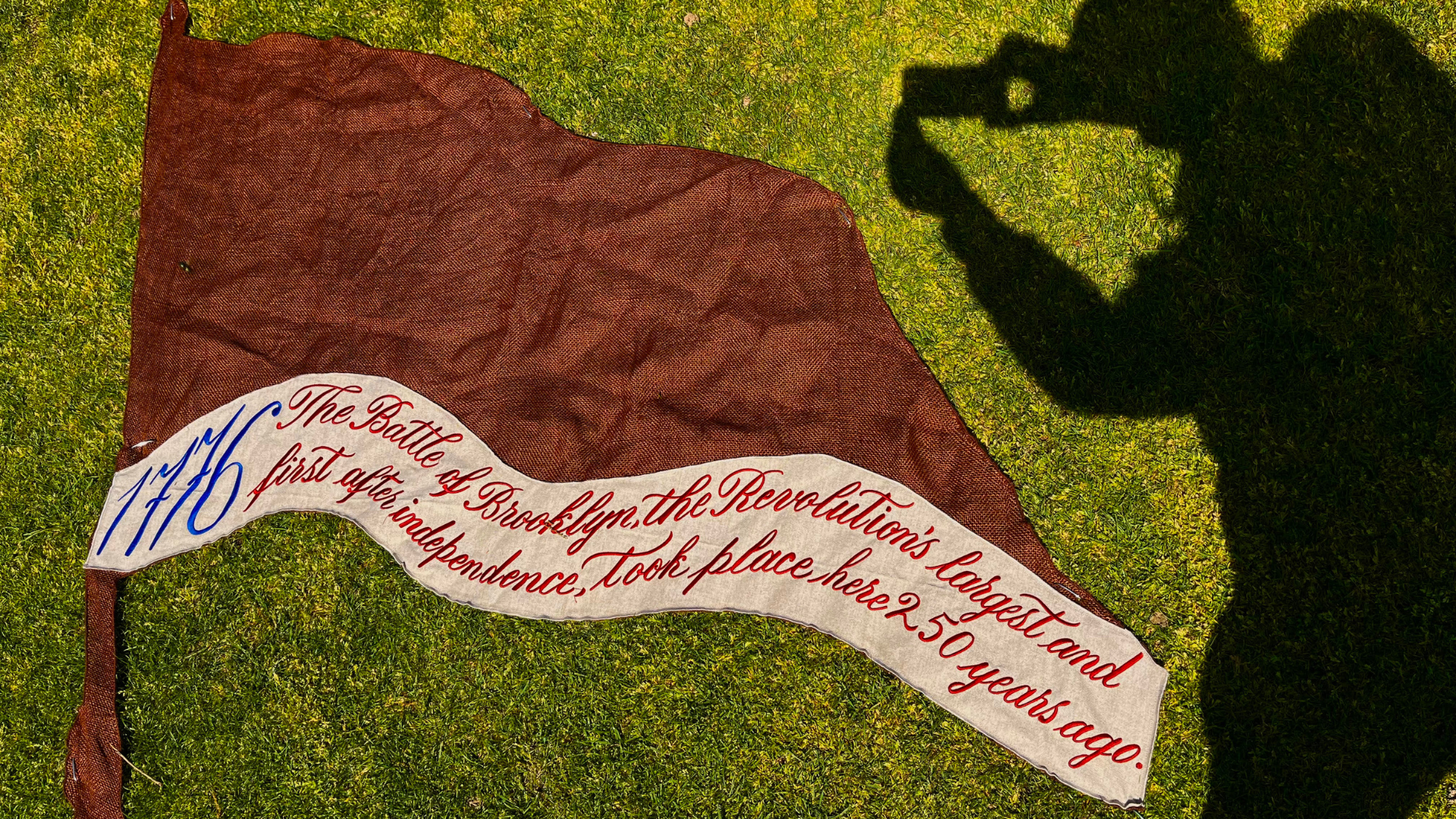
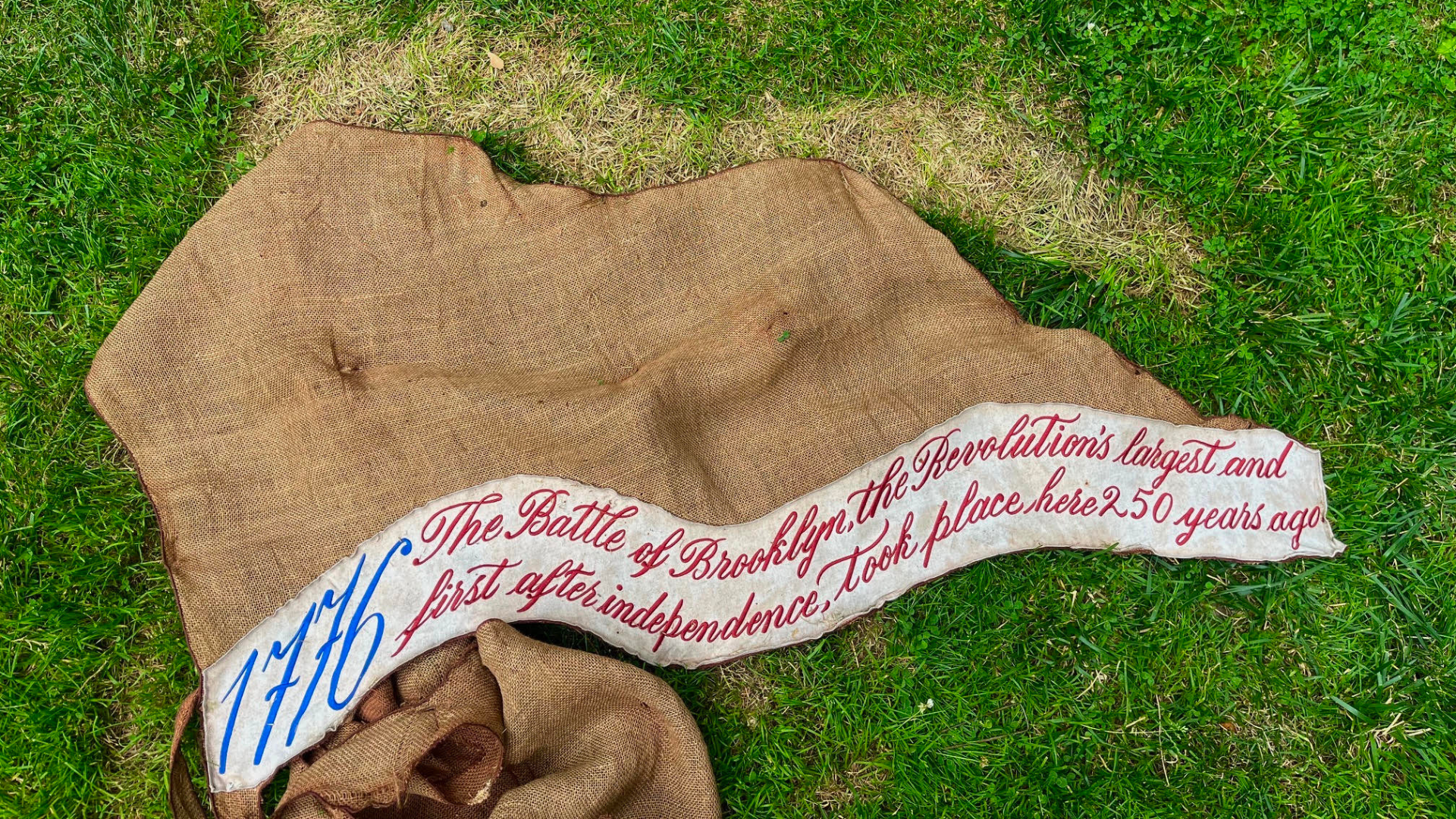
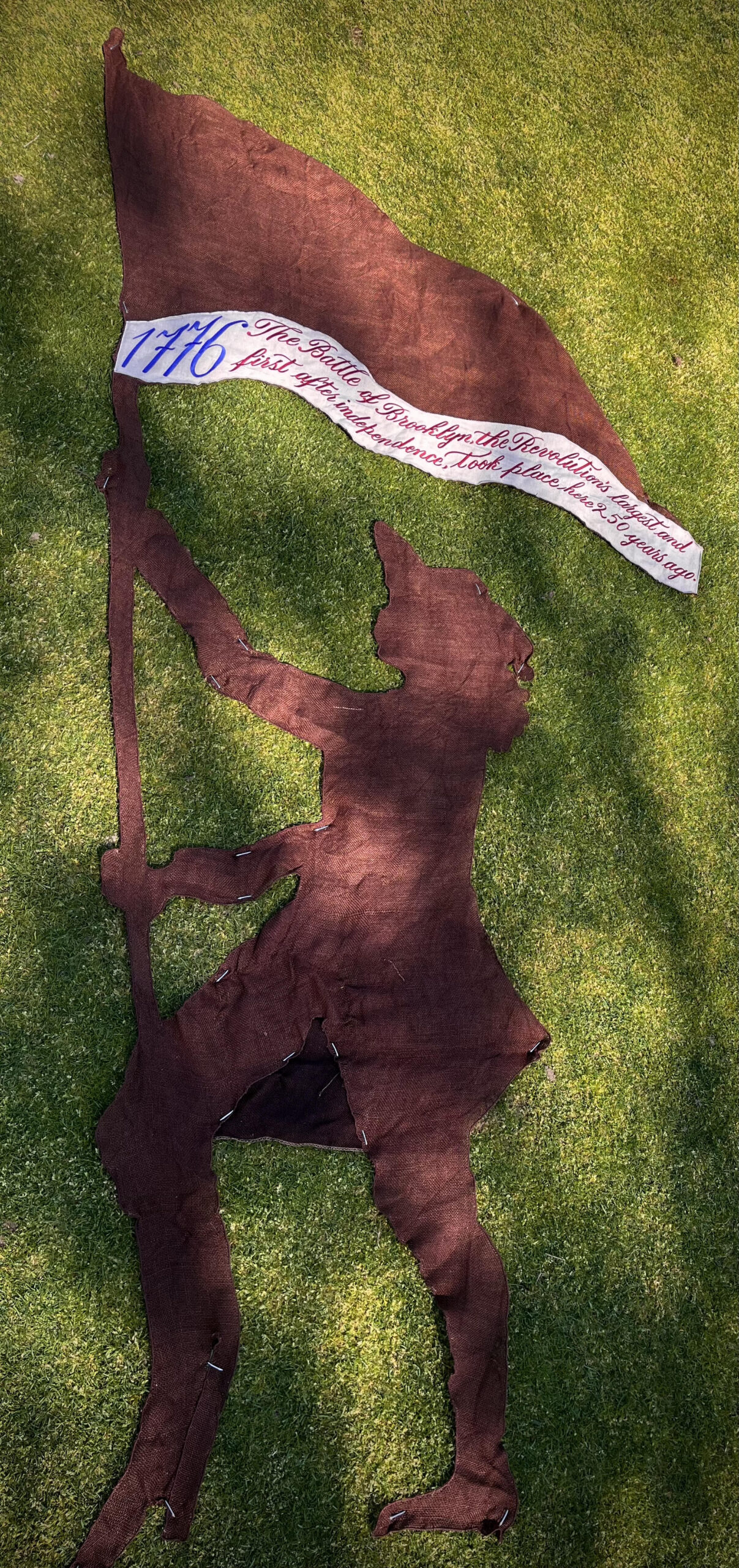
The Revolutionary War flag-bearer prototype, depicted here, engaged local artisans—the Brooklyn Scribe for calligraphy and the Embroidery Studio for fabrication—and was installed in Summer 2025.
The installation was conceived for a ¼-acre triangular site with nine additional historic inhabitants. Like the prototype, each of the future rainbow, natural-dyed silhouettes would gradually return over time to the burlap’s organic tan, creating a shared visual language. When the prototype was deinstalled, its trace silhouette slowly returned to the grass, leaving no impact on the site.
The prototype is beautiful…
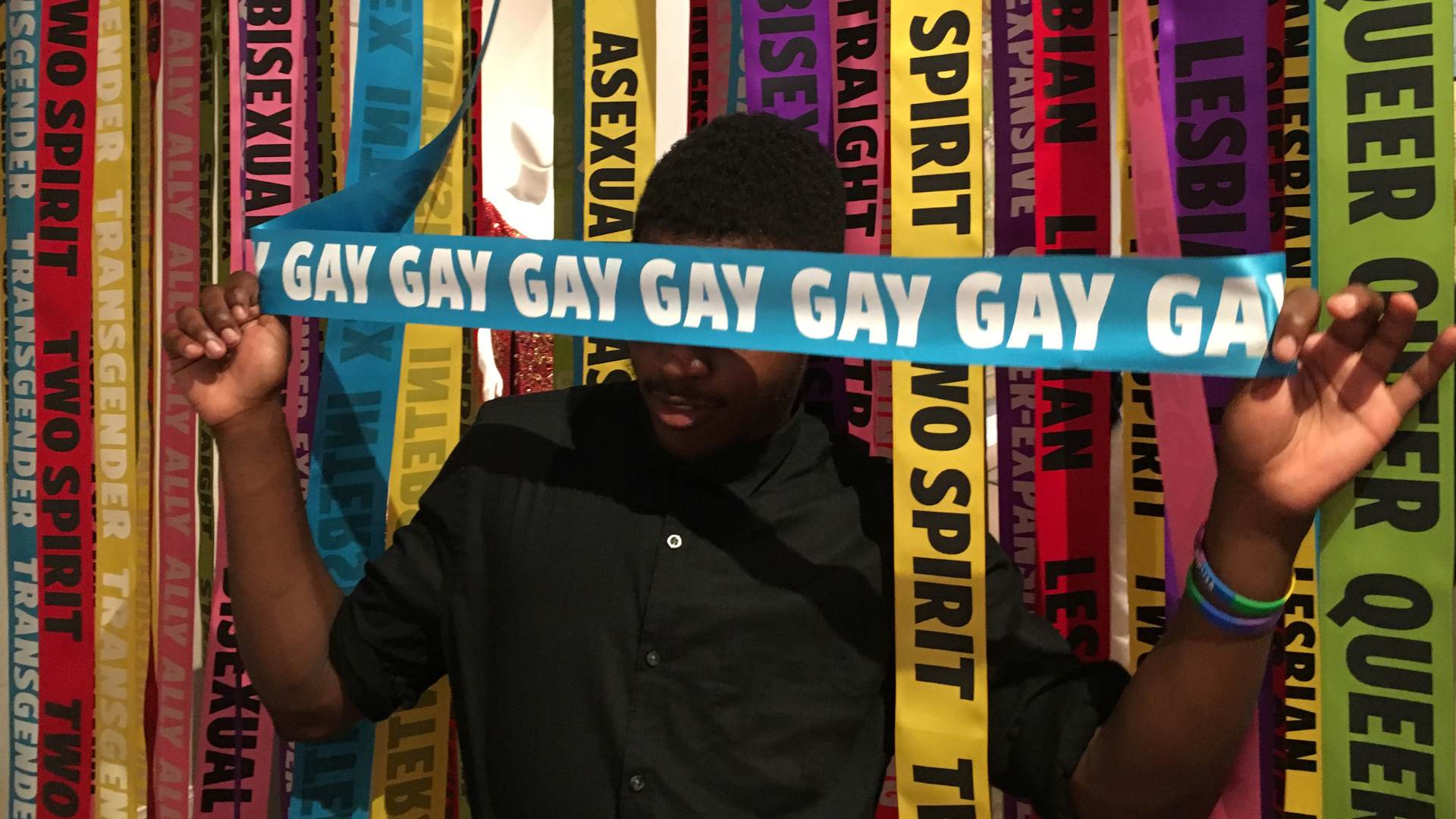
San Diego History Center’s LGBTQ+ Stories of Struggles & Triumphs
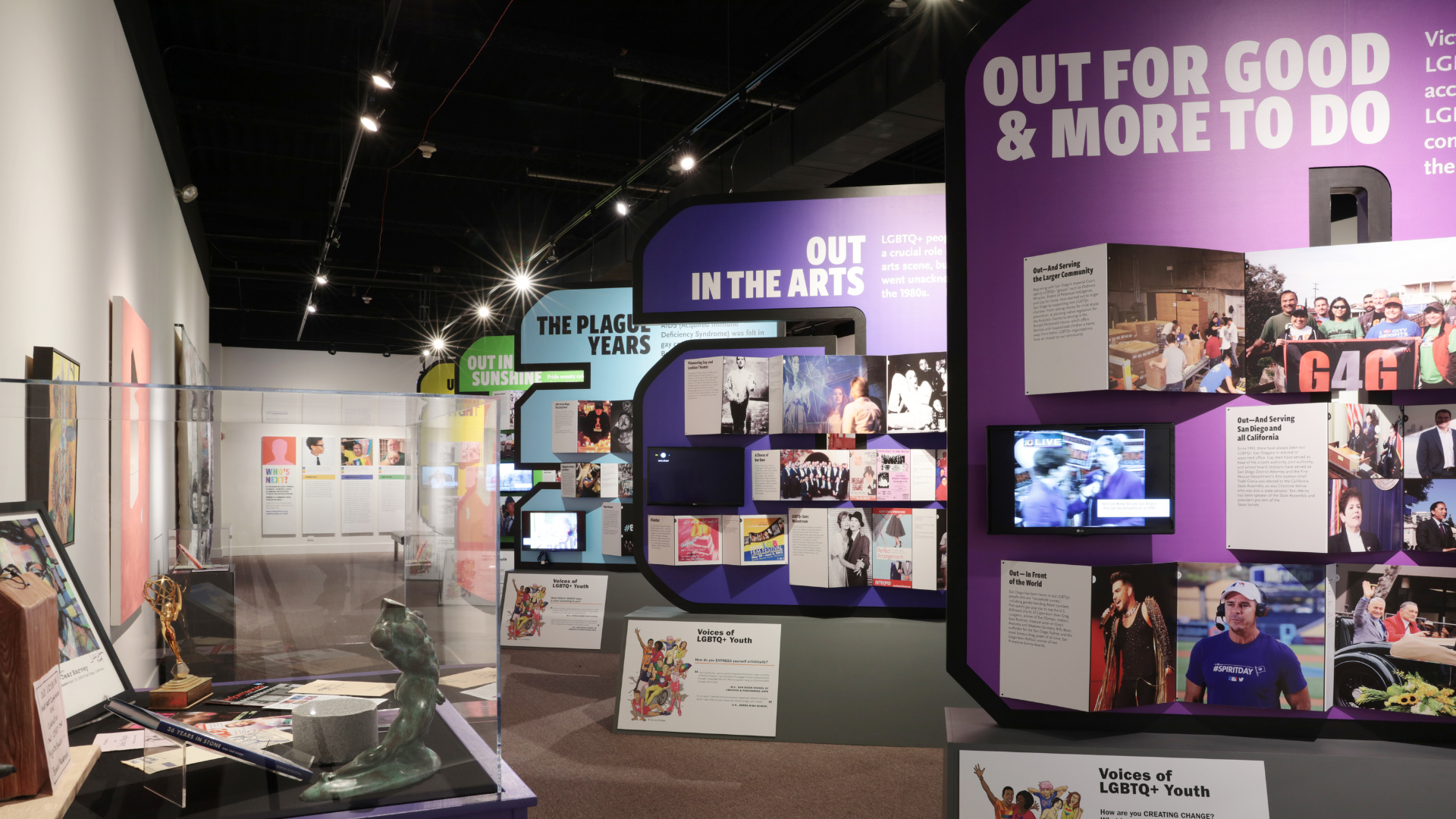
This interactive installation about gender culture drew over 250,000 visitors in its initial run and is now presented annually for Pride Month. Visitors passed through a rainbow curtain of gender ribbons, inviting interaction with their affiliations—an inexpensive, low-tech immersive gesture.
The legacy of gender politics and activism is chronicled through media and a timeline of LGBTQ+ San Diegans’ setbacks and successes.
Interpretations of artifacts, photographs, and graphics were displayed on monolithic letterforms, reinforcing the City’s connection to this community. These alphabetic armatures were recycled from a former exhibit, Celebrate San Diego! History & Heritage of Our Jewish Community, and reimagined for the LGBTQ+ installation.
This exhibition is about people who were persecuted, but were activated to become a community achieving equality. We are fellow San Diegans and not ashamed of who we are, and we want you to understand us through this display.
Impermanence: Conclusion
As you embark on temporal design and implementation, consider these guidelines to create the most successful outcomes. Impermanence—like content, context, cost, and time—is a critical criterion in shaping meaningful and memorable experiences.
About Keith Helmetag

Keith Helmetag currently designs exhibits, experiences, media, and installations focused on habitats and inhabitants. He founded—and is Emeritus at—C&G Partners and was formerly a principal at Chermayeff & Geismar. His work addresses world-changing events (the JFK assassination, the Vietnam War, 9/11, and the AIDS epidemic), science (Sanford Underground Research Facility at the Homestake Gold Mine and NOAA’s Rookery Bay Estuarine Research Reserve), gateways (Empire State Trail and Erie Canal Commercial Slip Waterfront), and sports (Yankee Stadium and Major League Baseball headquarters).
Keith was a finalist for the National Design Award, served on SEGD’s Board, chaired and served as a jury member for two competitions, and has received more than twenty awards.
People also viewed
-
Designing for Permanence: Content, Context, Cost—and Time
Designing for Permanence: Content, Context, Cost—and Time