Designing for Civic Participation: Inside the Obama Presidential Center Museum
Inside the collaborative design of a museum that asks visitors not only to understand history, but to see themselves within it.
What should a presidential museum ask of its visitors?
The Obama Presidential Center Museum answers that question with an invitation rather than a conclusion. Rather than simply recounting the story of President Barack Obama and First Lady Michelle Obama, the experience asks visitors to consider their own role in the ongoing work of democracy.
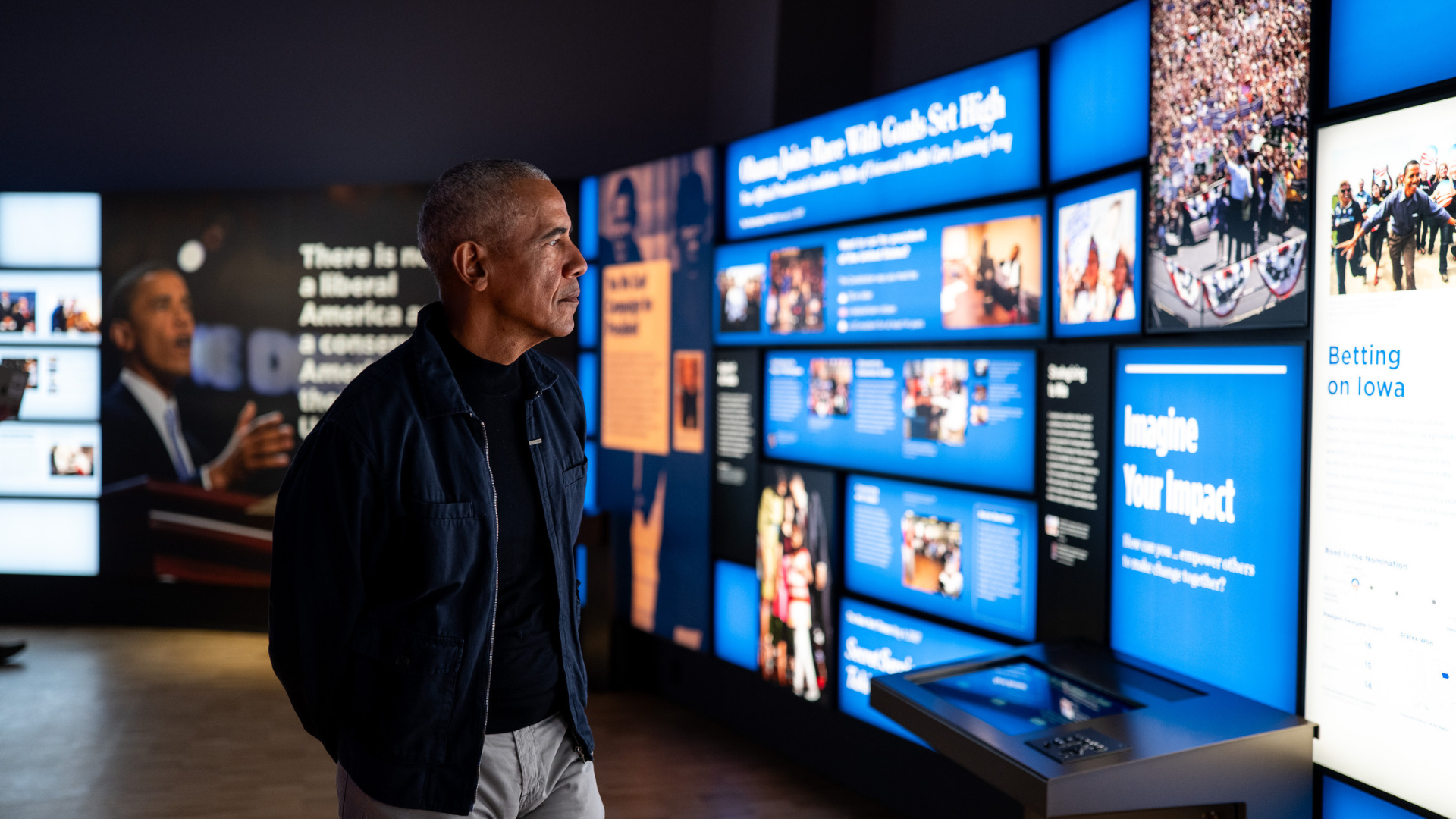
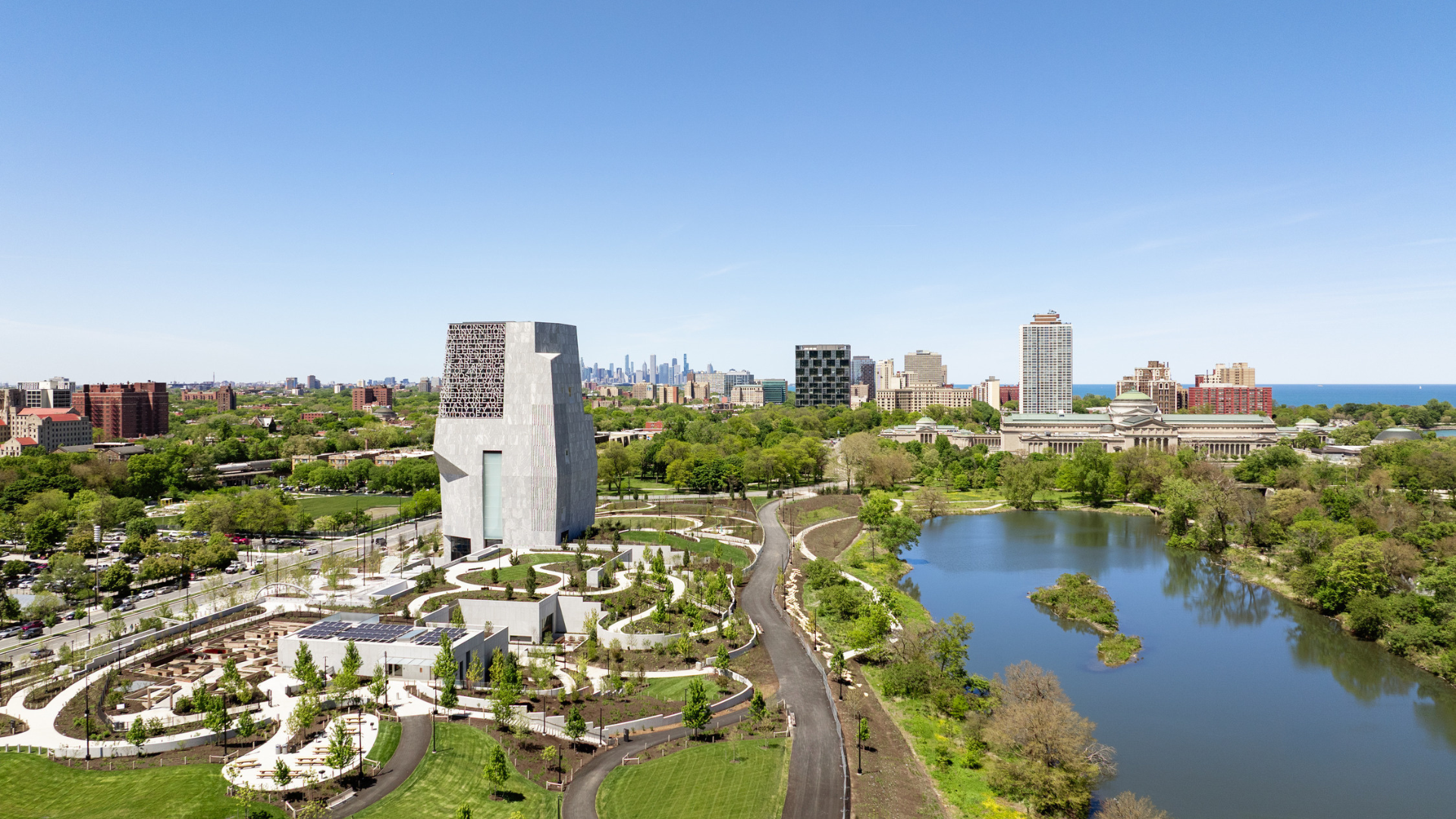
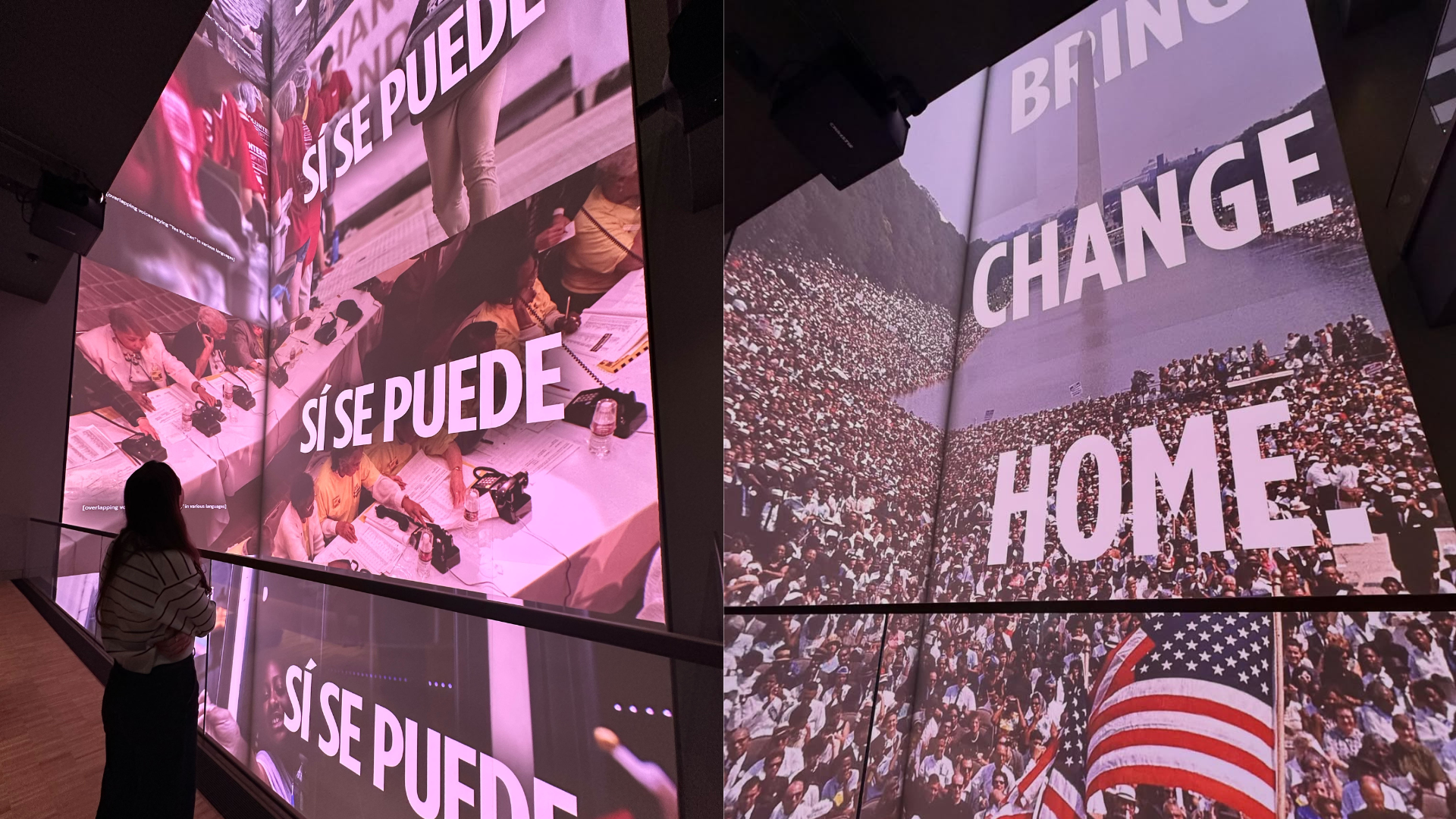
Located in Chicago’s historic Jackson Park, the nearly 35,000-square-foot museum traces the story of President Barack Obama and First Lady Michelle Obama while placing their journey within a broader narrative of civic participation, public service, and collective action. Across four exhibition levels, immersive media, interactive experiences, artifacts, and personal storytelling encourage visitors to see democracy not as a fixed institution, but as something shaped every day by ordinary people working together.
Led by Ralph Appelbaum Associates (RAA) under the creative direction of SEGD Board President Aki Carpenter, the exhibition was developed in close collaboration with the Obama Foundation Museum team and an interdisciplinary network of designers, artists, educators, technologists, and Chicago-based creative partners. Together, they set out to create something more than a presidential museum. They designed an experience that asks visitors not only to understand history, but to see themselves within it.
For Aki, the project was “an opportunity to tell a story about democracy as a collective practice”—one that situates President and Mrs. Obama’s lives and work within the broader context of American civic life.
Together with The Obama Foundation, we designed a layered journey through the context and communities that shaped President and Mrs. Obama's lives and work, connecting visitors to the past, to one another, and to the possibility of building a more just and inclusive future.
From History to Participation
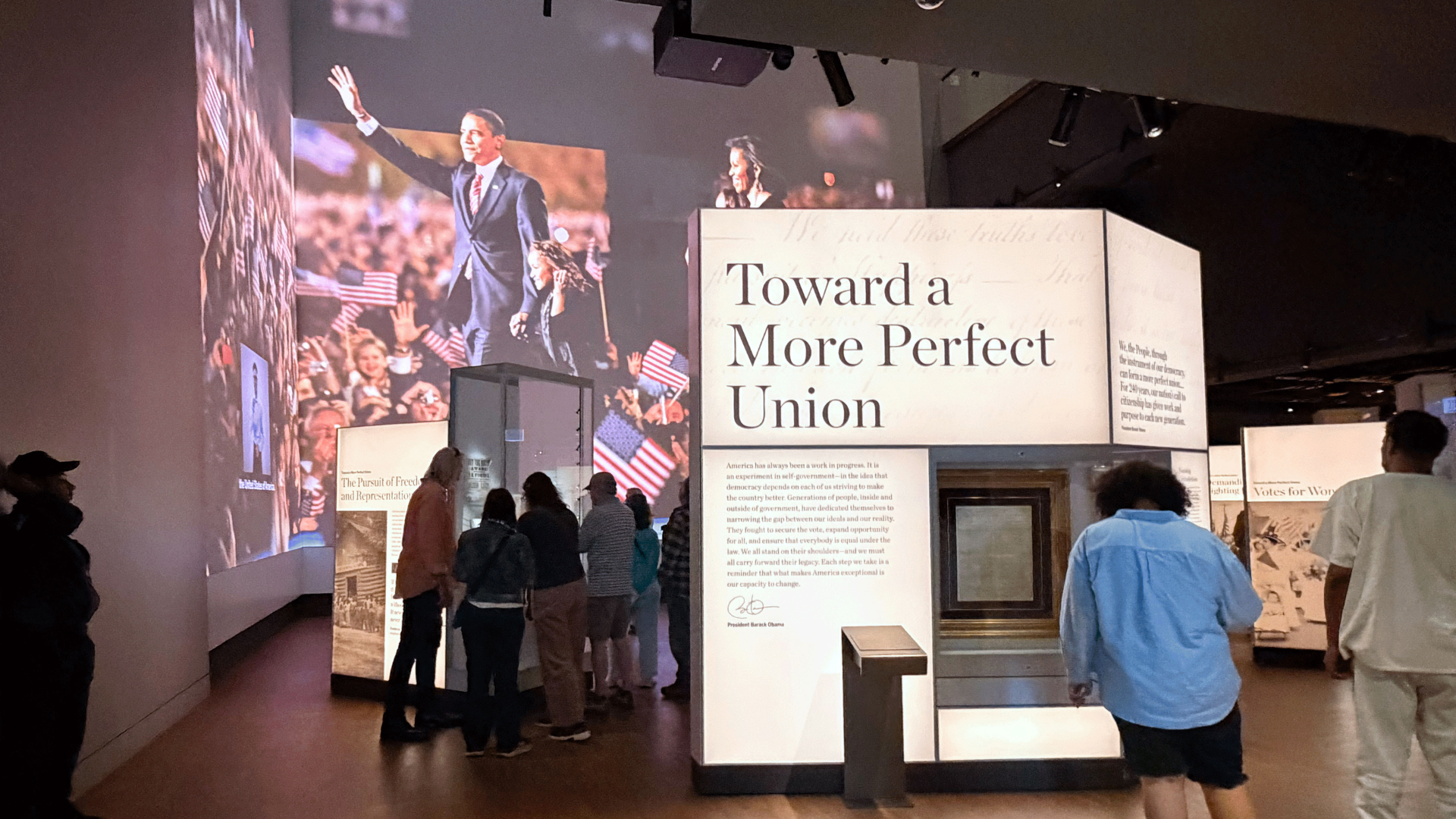
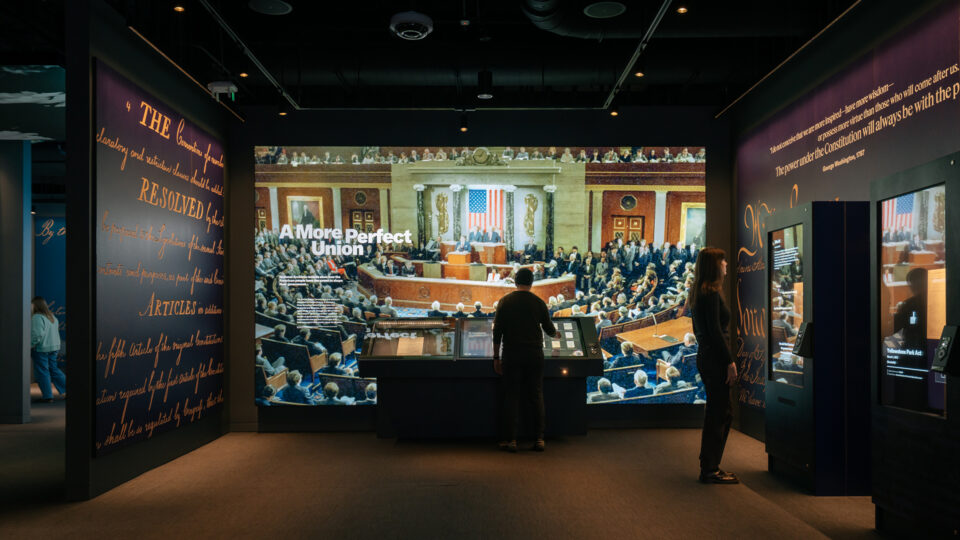
The museum unfolds across four thematic exhibition levels—Toward a More Perfect Union, Working for the Common Good, The People’s House, and We the People—guiding visitors from America’s founding ideals and contradictions through the Obama presidency and toward the civic questions that continue to shape the nation today. Rather than presenting democracy as a finished achievement, the experience frames it as an ongoing practice that requires participation, reflection, and shared responsibility.
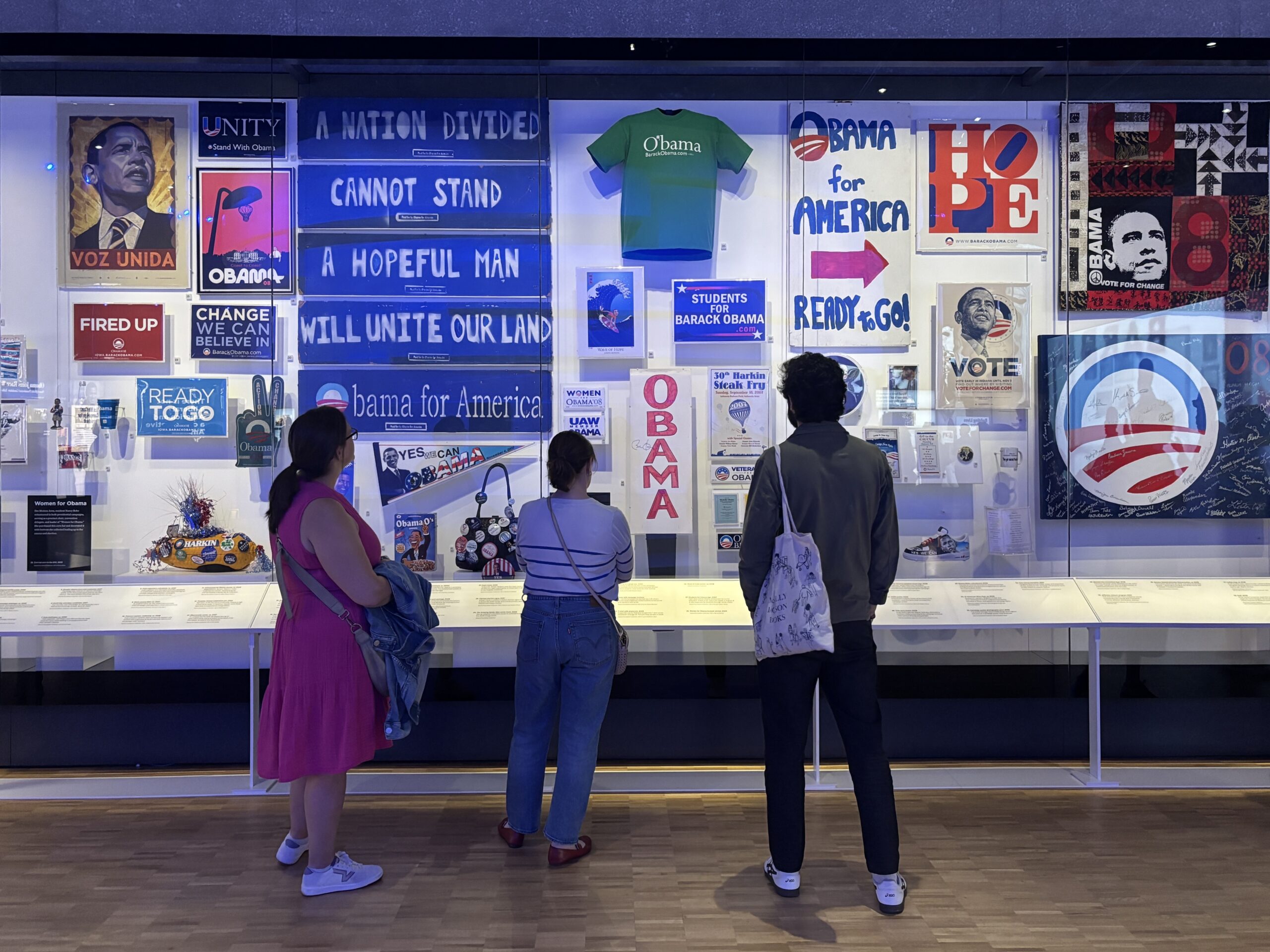
Photo Credit: RAA
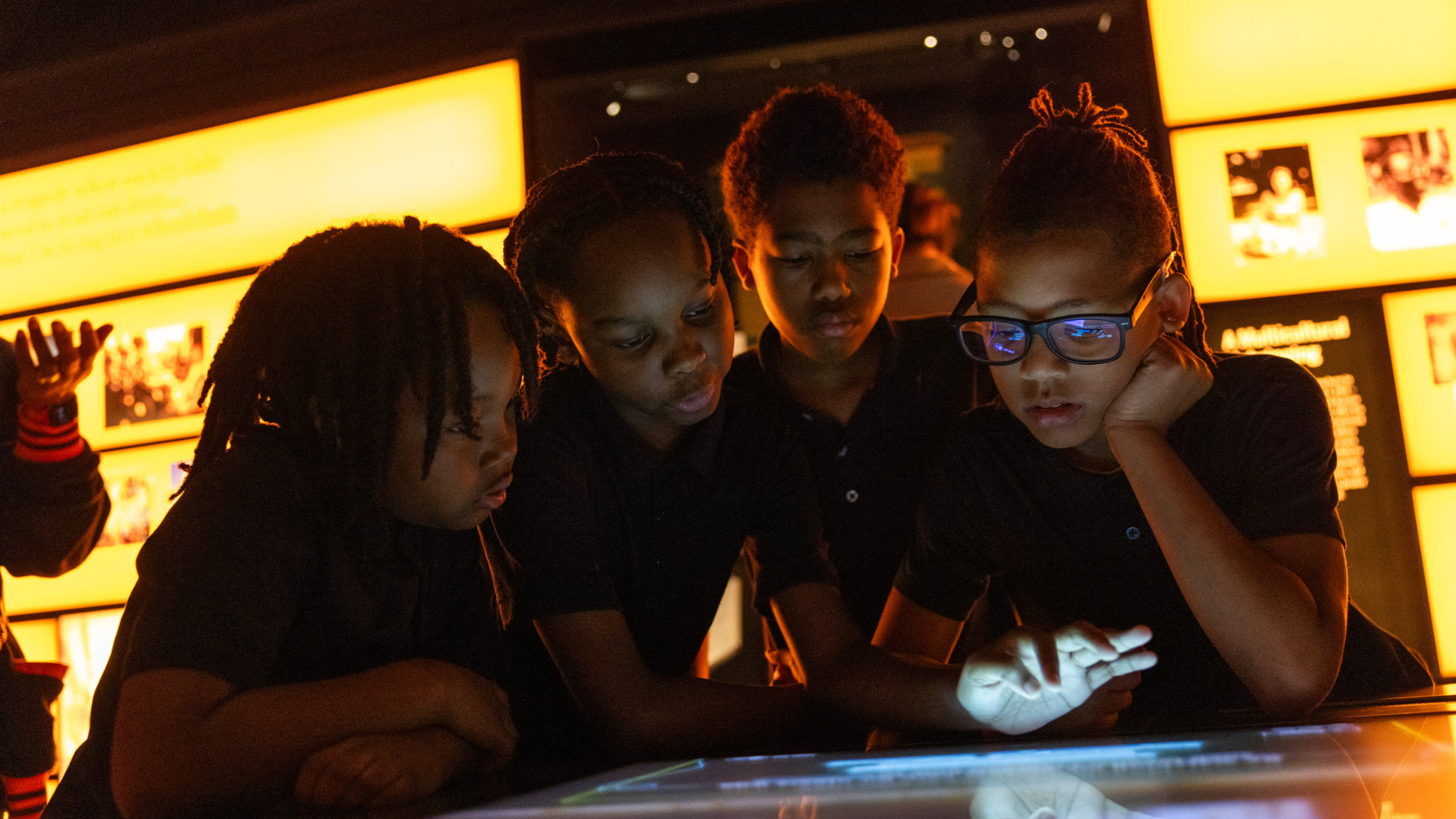
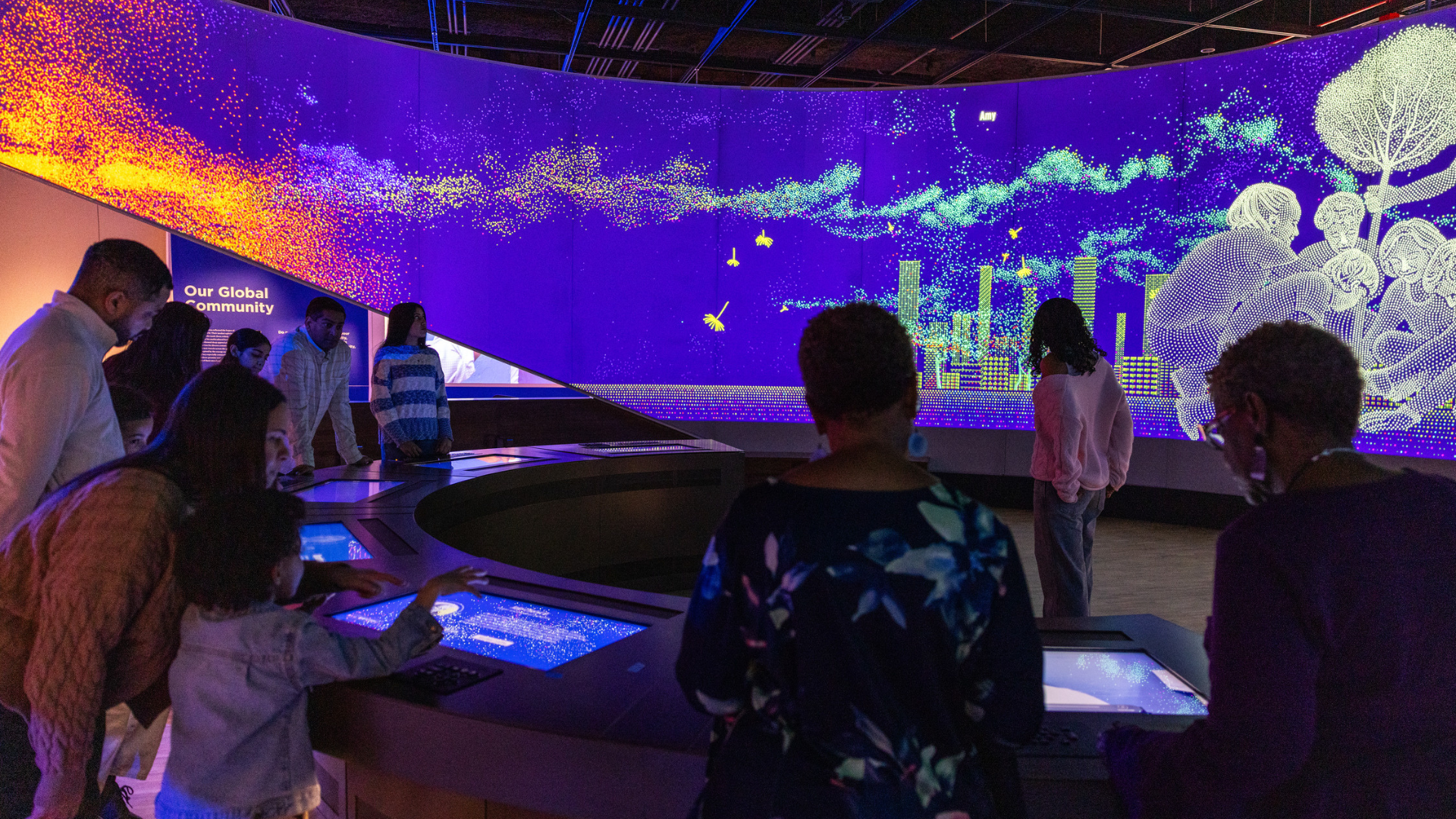
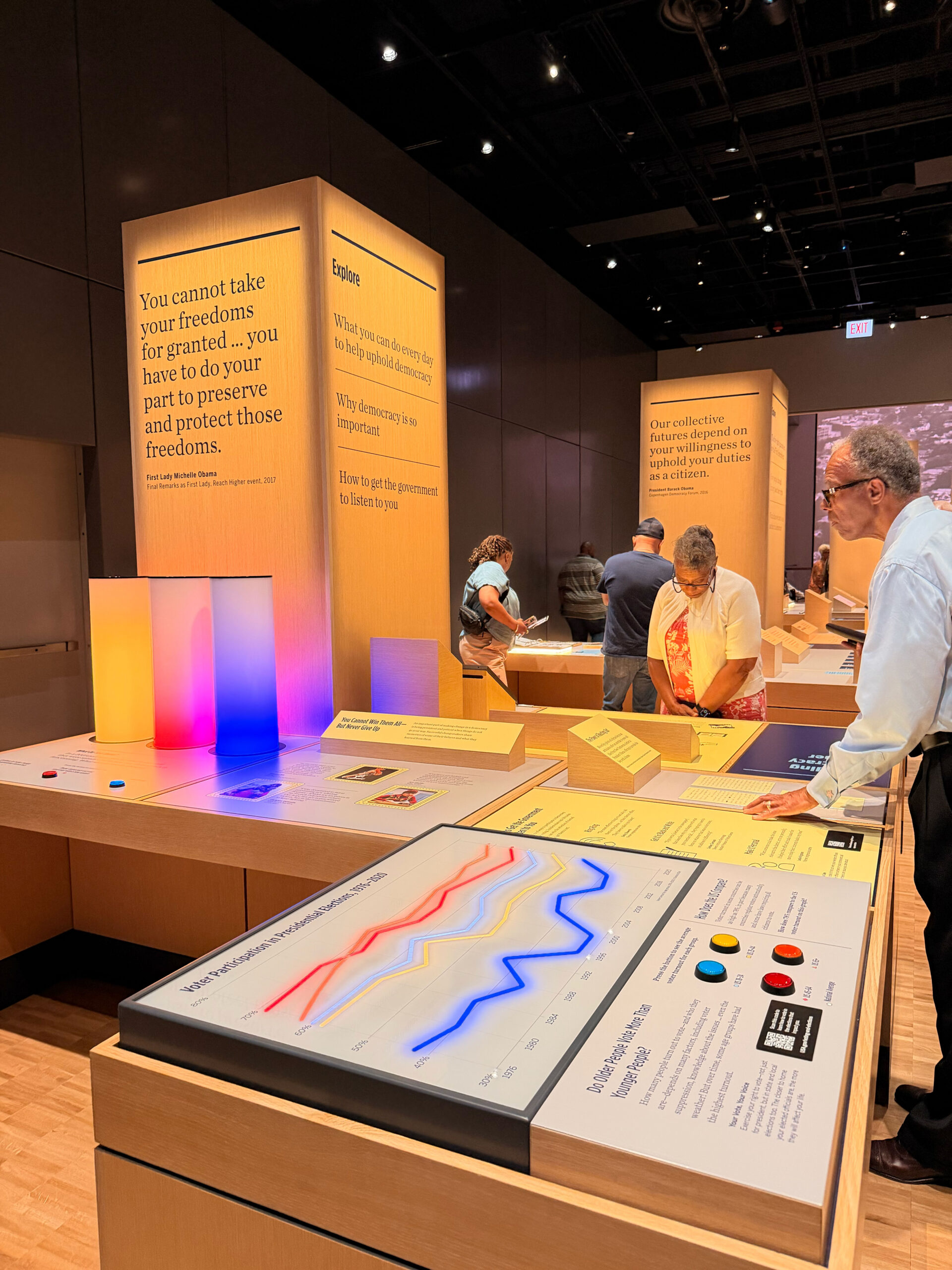
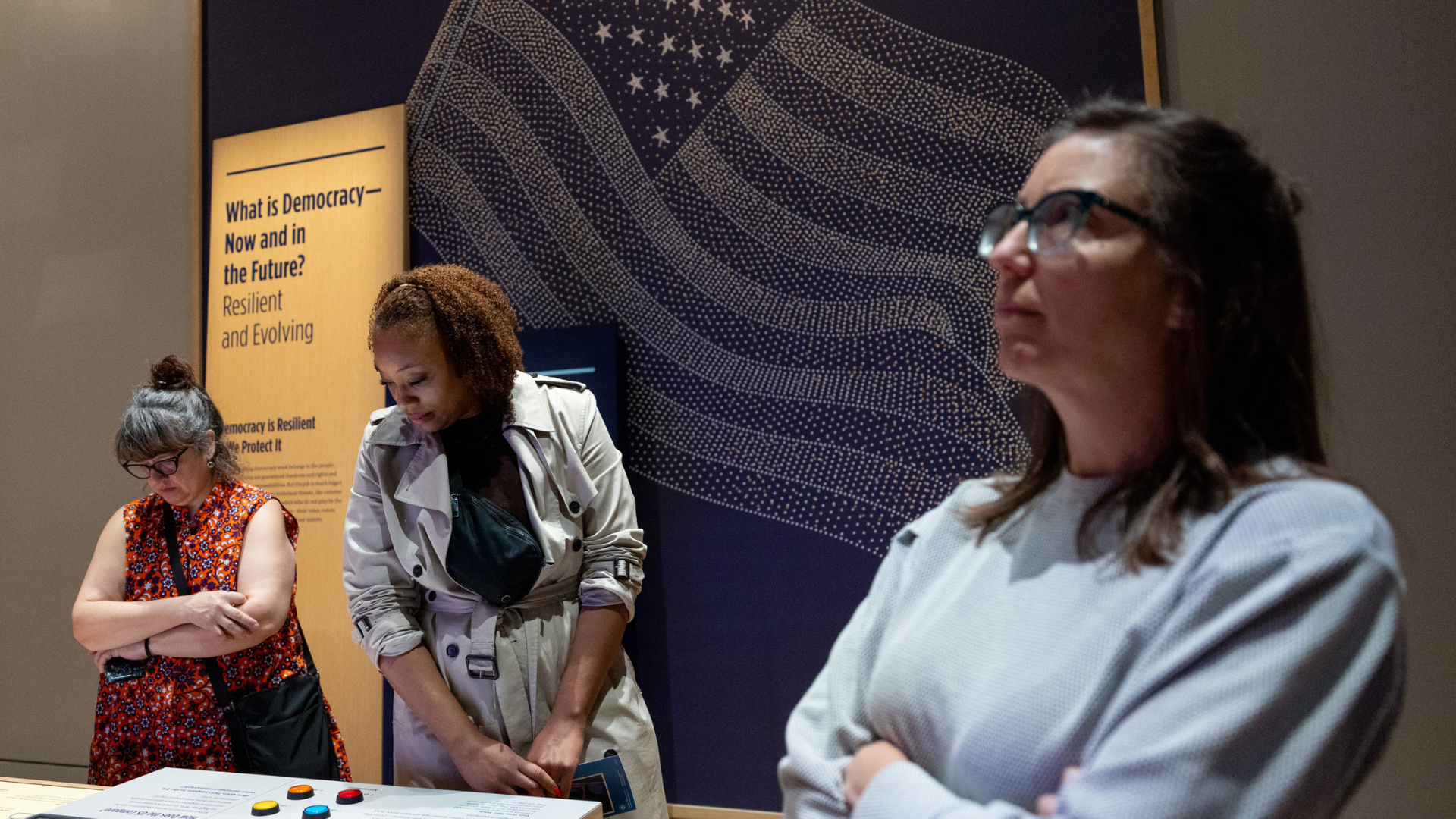
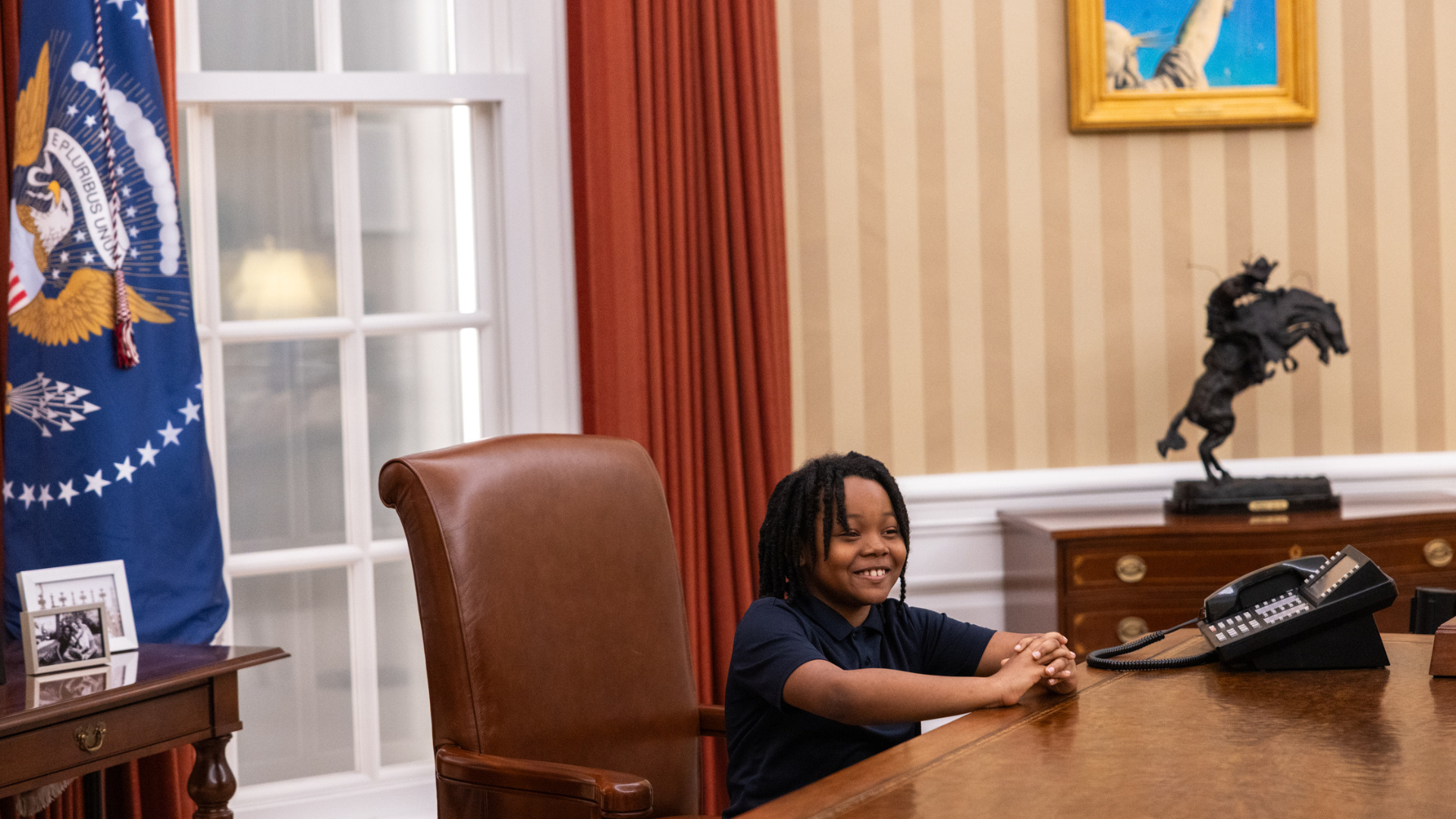
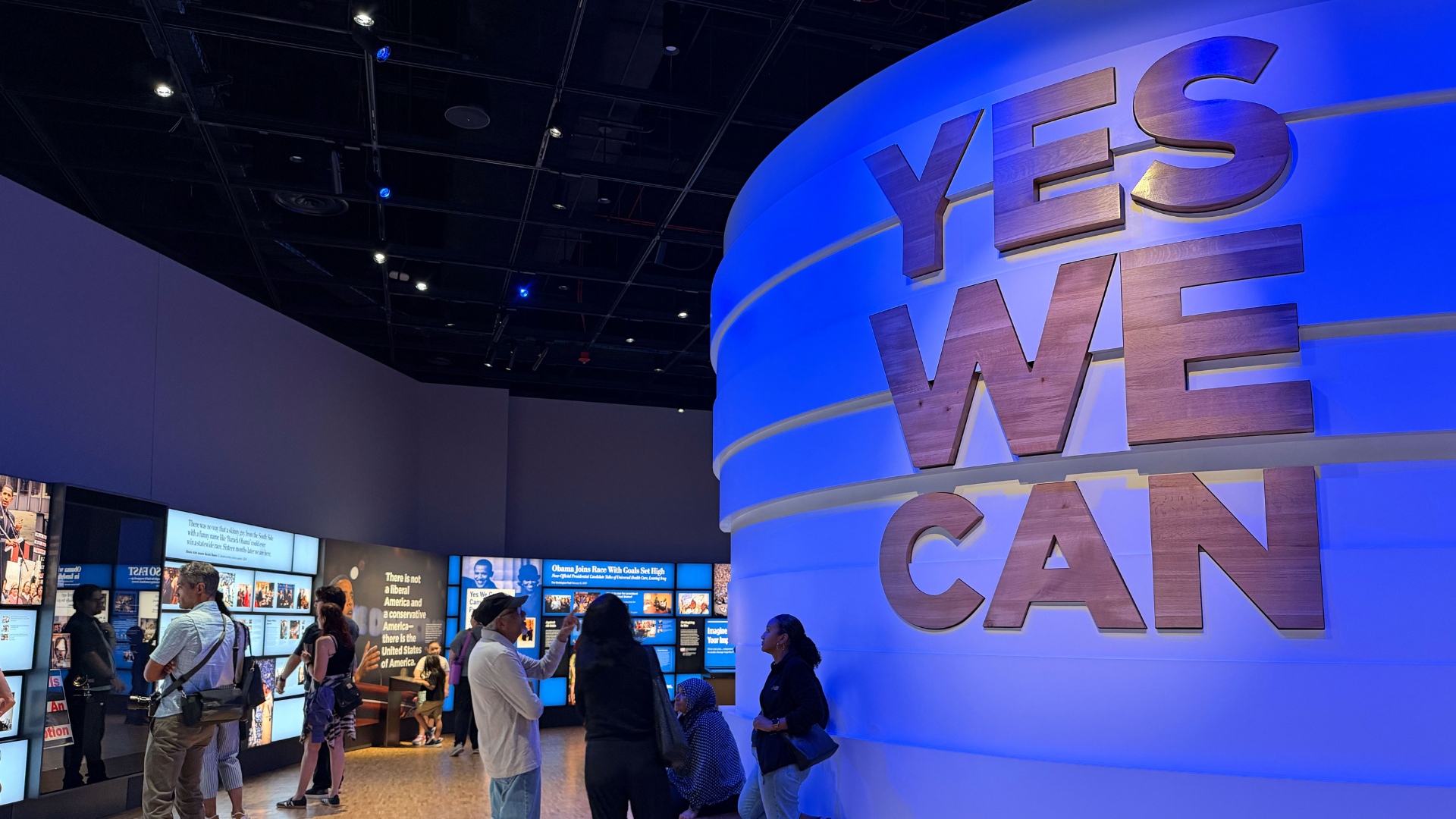
Throughout the galleries, immersive environments sit alongside intimate artifacts, large-scale media installations, hands-on interactives, and quieter moments of reflection. Visitors encounter campaign memorabilia and volunteer stories from the 2008 election, explore the mechanics of government through Democracy 101, step inside miniature White House rooms that reveal everyday life behind the scenes, and ultimately arrive at Imagine Your Impact, an interactive experience that encourages each visitor to consider how individual actions contribute to collective change.
The result is a museum that doesn’t simply recount a presidency. It invites visitors to reflect on their own place within the American story and the role they play in shaping what comes next.
Designing Together
The museum’s message of collective action is reflected not only in the visitor experience, but in the way the project itself came together.
Nearly half of the exhibition design work was performed by minority- and woman-owned businesses, with local Chicago firms, artists, and educators contributing throughout the project’s development. From the earliest concept phases through implementation, collaboration was embedded in both the process and the final experience.
Among those collaborators was Civic Projects Architecture, which partnered with RAA from the proposal stage through implementation. Working alongside the exhibition team, the Chicago-based practice helped shape how the museum’s stories became “physical, immersive, and accessible,” while bringing critical local knowledge and community engagement into the design process. As founder Monica Chadha reflects, “it is deeply meaningful to contribute to a project that will welcome visitors from around the world while remaining grounded in its local community.”
Chicago-based graphic design studio Normal helped shape the exhibition’s visual identity, while artist and designer Norman Teague contributed during the project’s formative concept phase before designing custom wooden benches that extend the museum’s commitment to inclusive, human-centered design. Together with specialists in media, interactives, lighting, acoustics, engineering, fabrication, and audiovisual integration, the exhibition reflects the interdisciplinary nature of experiential design.
For the SEGD community, the project also represents the remarkable breadth of expertise within the profession. The exhibition brought together an extraordinary roster of SEGD members and partners, including Ralph Appelbaum Associates, Cortina Productions, Electrosonic, EOS Lightmedia, BBI Engineering, Smart Monkeys, Click Netherfield, and Luna Lux, alongside project partners Batwin + Robin Productions, Kubik Maltbie, SH Acoustics, and others. Each contributed a distinct discipline, demonstrating how today’s most ambitious cultural experiences are realized through close collaboration across storytelling, media, technology, engineering, fabrication, and design.
Designing for Everyone
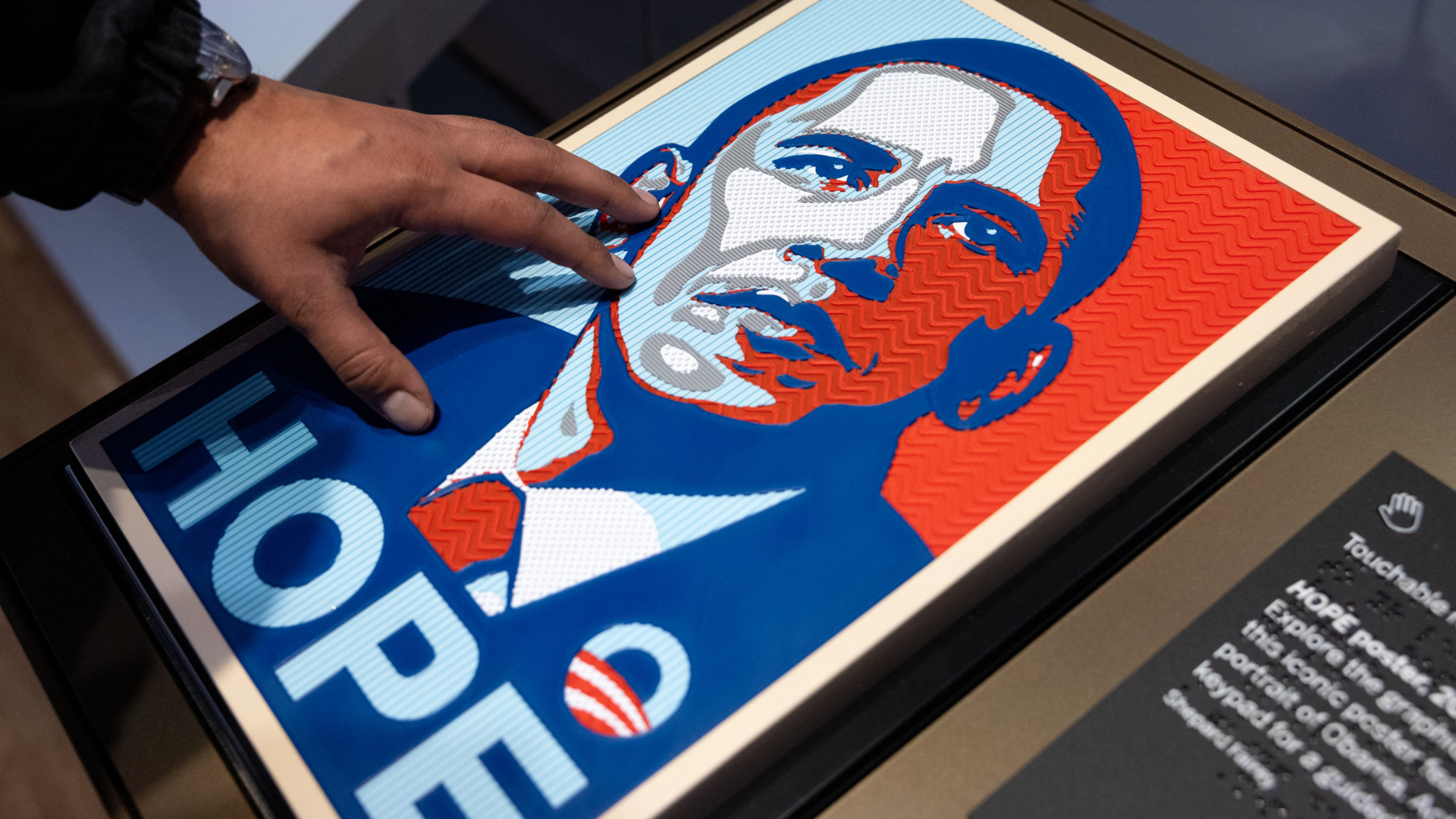
Accessibility is woven throughout the visitor experience rather than treated as a separate layer. Tactile elements, captioning, audio description, assistive listening, multisensory interactives, and intuitive wayfinding support visitors of all ages and abilities, reinforcing the museum’s broader commitment to participation and belonging.
It’s a reminder that inclusive design doesn’t simply remove barriers—it creates richer experiences for everyone.
A Story Still Being Told
The Obama Presidential Center Museum ultimately asks visitors not simply to remember a presidency, but to consider their own role in the American story.
It is a museum about leadership, certainly. But it is equally a museum about organizers, volunteers, educators, neighbors, and communities—the countless people whose everyday actions shape civic life.
For experiential designers, the project offers a compelling example of how narrative environments can move beyond interpretation to participation. By inviting visitors to reflect, engage, and imagine their own impact, the museum demonstrates how design can transform history from something we observe into something we help carry forward.
This feature focuses on the museum’s exhibition design and visitor experience. In a forthcoming story, we’ll explore the Obama Presidential Center’s environmental graphics and wayfinding system, highlighting the contributions of Pentagram, DCL (Design Communications Ltd.), and Via Collective, and how those elements help unify the visitor experience across the campus.
People also viewed
-
America at 250: Our Members Help Tell the Nation’s Story
America at 250: Our Members Help Tell the Nation’s Story
-
Ford Foundation Center for Social Justice

Ford Foundation Center for Social Justice
-
Positively Presidential—Exhibitions that Honor Our Highest Office
Positively Presidential—Exhibitions that Honor Our Highest Office