Cooper Carry Designs Soccer and Human Rights Exhibition in Atlanta
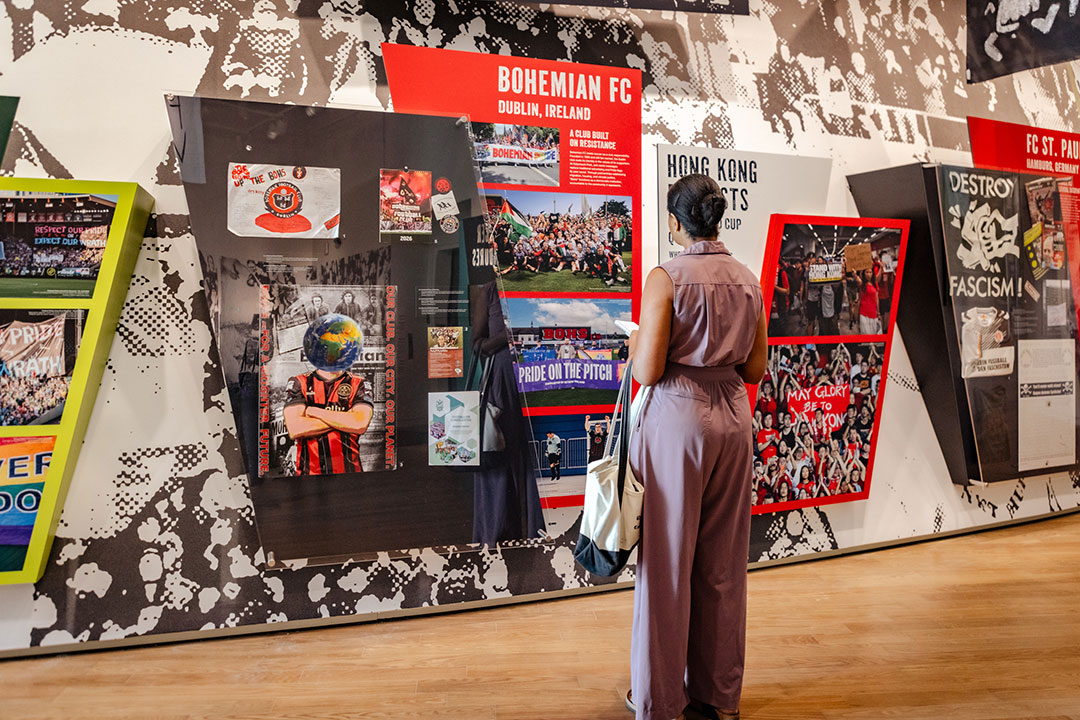
Cooper Carry Experiential Graphic Design Studio led the design for The People’s Game: Soccer and Human Rights exhibition at the National Center for Civil and Human Rights in Atlanta.
The exhibition opened in time for the global soccer event in Atlanta. It uses immersive design, emotional storytelling, original artifacts, and multimedia. Together, these elements connect visitors with powerful stories from around the world.
Cooper Carry’s Experiential Graphic Design studio partnered with the Center’s Director of Curation, Daniel Fuller. Their goal was to turn a broad global story into a clear visitor experience. As a result, the exhibition is organized across seven chapters. It begins with “The Field of Resistance” and ends with a hands-on foosball activity about teamwork.
“The most meaningful exhibits don’t simply communicate information; they invite people into a story,” said Paul Bowman, Director of Experiential Graphic Design at Cooper Carry. “Our goal was to create an experience that allows visitors to see how soccer has served as a vehicle for change, and to leave with a deeper understanding of the human stories behind the game.”
Throughout the exhibition, visitors move through stories from many places and time periods. For example, they learn about the Afghanistan Women’s National Team and its fight to compete. They also encounter Didier Drogba and the Ivory Coast national team. Their World Cup qualifying match helped support a ceasefire during civil war.
In addition, the exhibition highlights Algeria’s FLN Team. The team included players who left their French clubs to support Algeria’s fight for independence. It also shares the story of prisoners on Robben Island. There, soccer helped preserve dignity, community, and hope.
At the center of the exhibition, a larger-than-life soccer ball becomes an immersive “Audio Dome.” Inside, visitors hear voices of players, activists, refugees, and community leaders. Through these voices, the exhibition shows how soccer can support social movements.
“Experiential design has the power to make abstract history feel immediate and personal,” added Bowman. “When a visitor stands inside the Audio Dome and hears the voices of players, activists and refugees talking about what soccer has meant to their lives, they feel deep empathy. That’s what we designed for.”
The exhibition also connects global stories to issues closer to home. For instance, it features the U.S. Women’s National Team’s fight for equal pay. It also highlights Atlanta-based efforts, including Soccer in the Streets and the Atlanta United Unified Team.
The People’s Game: Soccer and Human Rights is presented with support from Gallagher and the Arthur M. Blank Family Foundation. It was created in partnership with Atlanta United. The exhibition is open now and will be on view for one year.
Read more and plan your visit at civilandhumanrights.org/soccer-and-human-rights. To learn more about Cooper Carry’s Experiential Graphic Design studio, visit coopercarry.com.